Assessing the Most Pressing AI Risks According to Experts
In a rapidly evolving landscape of artificial intelligence (AI), the potential benefits are often overshadowed by significant risks. A recent survey of 272 AI experts sheds light on the dangers that keep them awake at night, highlighting various concerns ranging from ethical dilemmas to existential threats. Understanding these risks is not just vital for researchers and developers but also for businesses and policymakers who navigate this intricate terrain.
The Survey Insights
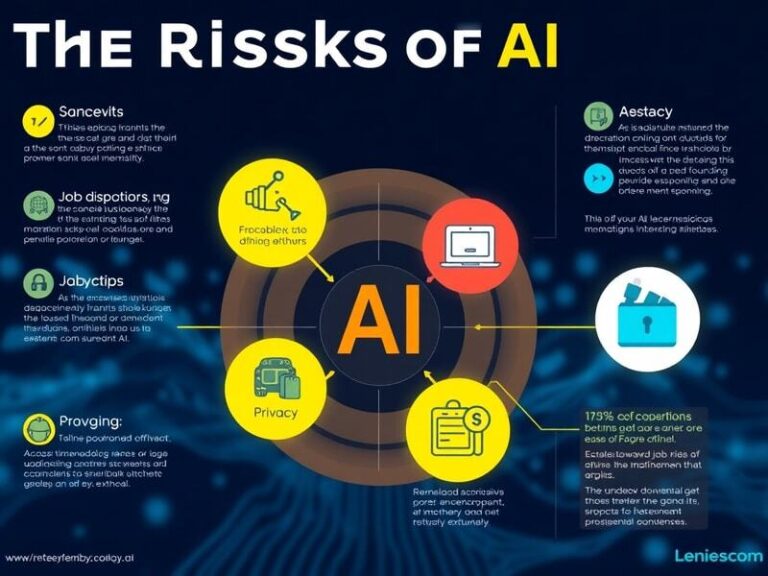
The survey revealed that AI experts are particularly worried about several key areas:
- Ethical Concerns: Issues such as bias in AI algorithms and the misuse of technology for surveillance are at the forefront of experts’ minds.
- Job Displacement: The fear that AI could lead to mass unemployment as machines take over tasks traditionally performed by humans is a prevalent concern.
- Autonomous Weapons: The potential for AI to be used in military applications raises ethical questions about control and accountability.
- Privacy Issues: As AI systems collect and analyze vast amounts of personal data, concerns about user privacy and data security continue to grow.
- Existential Risks: Some experts worry about the long-term implications of developing superintelligent AI that could operate beyond human control.
Practical Insights from the Experts
To tackle these pressing issues, AI experts emphasize the need for a multi-faceted approach:
- Regulation and Governance: Establishing clear regulations governing the use of AI is essential. This includes setting ethical guidelines and frameworks that companies must adhere to in their AI development processes.
- Transparency and Accountability: Developers should strive for transparency in AI algorithms to build trust with users. This includes being clear about how data is used and ensuring accountability in decisions made by AI systems.
- Interdisciplinary Collaboration: Encouraging collaboration between technologists, ethicists, policymakers, and the general public can lead to more comprehensive solutions to AI-related problems.
- Education and Awareness: Raising awareness about the implications of AI is crucial for both consumers and professionals. Education initiatives can help demystify AI technologies and promote informed discourse.
Industry Implications
The findings from the survey have significant implications for various industries:
- Technology Sector: Companies must prioritize ethical AI development to maintain user trust and comply with emerging regulations.
- Healthcare: AI applications in healthcare must navigate privacy concerns while leveraging data to enhance patient outcomes.
- Finance: Financial institutions need to ensure that AI algorithms do not perpetuate bias, especially in lending and credit scoring.
- Education: Educational institutions should adapt curricula to include AI literacy, preparing future generations for a workforce increasingly influenced by these technologies.
Future Possibilities
Looking ahead, the experts suggest several avenues for mitigating AI risks while harnessing its potential:
- Innovative Solutions: Continued research into robust AI systems can lead to the development of technologies that are both powerful and safe.
- Public Engagement: Engaging the public in discussions about AI can lead to more democratic approaches to technology development and implementation.
- Global Cooperation: International collaboration is vital in addressing the global challenges posed by AI, particularly concerning ethics and security.
In conclusion, while the potential of AI is immense, the risks associated with its development and deployment cannot be overlooked. The insights from the survey of AI experts serve as a wake-up call for stakeholders across industries to address these challenges proactively. By prioritizing ethical considerations, transparency, and collaboration, we can navigate the intricate landscape of AI and harness its power for the greater good.