
Bots Set to Outnumber Humans by 2027: Examining the Predictions About AI Traffic Surpassing Human Activity Online and Its Potential Impact
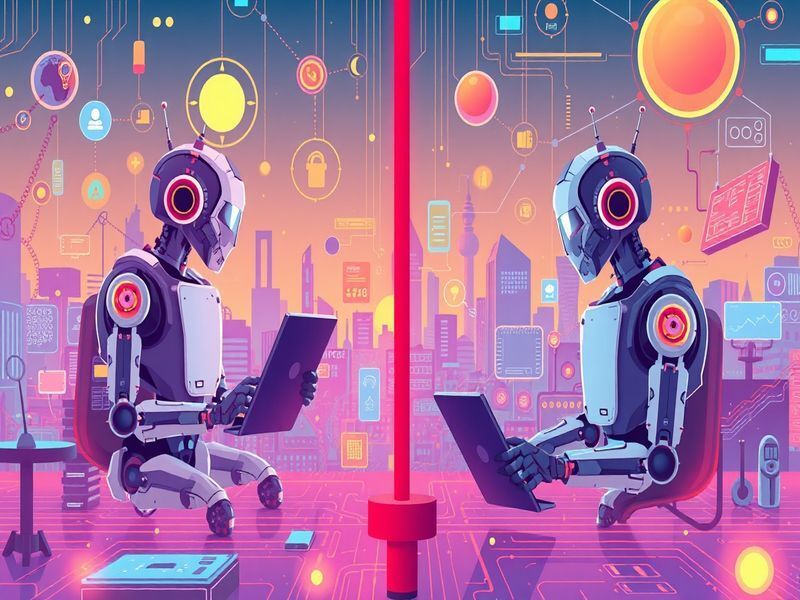
The rise of artificial intelligence (AI) is reshaping our digital landscape in unprecedented ways. As we look toward 2027, predictions indicate that bots will outnumber humans online. This significant shift not only raises questions about the nature of online interactions but also about the future of technology, business, and society. In this article, we will explore the implications of this trend, its potential impacts, and what it means for various industries.
The Current State of AI and Bots
Today, bots already account for a substantial portion of internet traffic. From chatbots providing customer service to web crawlers indexing pages for search engines, the online ecosystem is increasingly populated by automated agents. According to various studies, it is estimated that bots comprise around 60% of all internet traffic. This number is expected to rise dramatically in the coming years.
Future Predictions and Trends
By 2027, it is predicted that bots will not only match but exceed human users on the internet. This projection is driven by several key factors:
- Advancements in AI Technology: Continuous improvements in machine learning and natural language processing are making bots more capable and human-like.
- Increased Automation: Businesses are increasingly relying on automation for tasks such as customer service, marketing, and data analysis.
- Scalability: Bots can operate 24/7 without the limitations of human labor, making them an attractive option for companies.
- Expansion of IoT Devices: The growing number of Internet of Things (IoT) devices will contribute to bot traffic, as these devices communicate with each other autonomously.
Industry Implications
The rise of bots presents both opportunities and challenges for various industries:
- Customer Service: The customer service sector is likely to see a significant transformation. Bots can handle routine inquiries and issues, allowing human agents to focus on more complex problems. This could lead to faster response times and increased customer satisfaction.
- Marketing and Advertising: Marketers will need to adapt to a landscape where bots are highly effective at targeting and engaging consumers. AI-driven advertising could become more personalized, but it will also raise questions about privacy and consumer trust.
- Content Creation: The ability of AI to generate content will likely redefine the media landscape. While this can lead to more tailored and relevant content, it also raises ethical concerns about authorship and originality.
- Cybersecurity: As bot activity increases, so too will the potential for malicious bots. Businesses must invest in robust cybersecurity measures to protect against threats such as bot-driven fraud and data breaches.
Future Possibilities
The future of human-bot interaction is a complex web of possibilities. Here are some potential scenarios:
- Enhanced User Experience: As bots become more sophisticated, they could provide seamless interactions that feel increasingly human-like, improving user experience across platforms.
- New Job Roles: While some jobs may be displaced by automation, new roles will emerge that focus on managing and optimizing AI systems. Skills in AI management, bot development, and ethical considerations will become increasingly valuable.
- Increased Regulation: As bots become more prevalent, governments and regulatory bodies may impose stricter guidelines to ensure ethical use and to protect consumer rights.
Conclusion
The prediction that bots will outnumber humans by 2027 is not merely a statistic; it represents a seismic shift in the digital landscape that will have profound implications for businesses and society. As we approach this milestone, stakeholders must navigate the challenges and opportunities presented by this automation revolution. By understanding the current state of AI and preparing for its future trajectory, we can harness the potential of bots while mitigating risks, ensuring a balanced coexistence that enhances our digital experiences.