

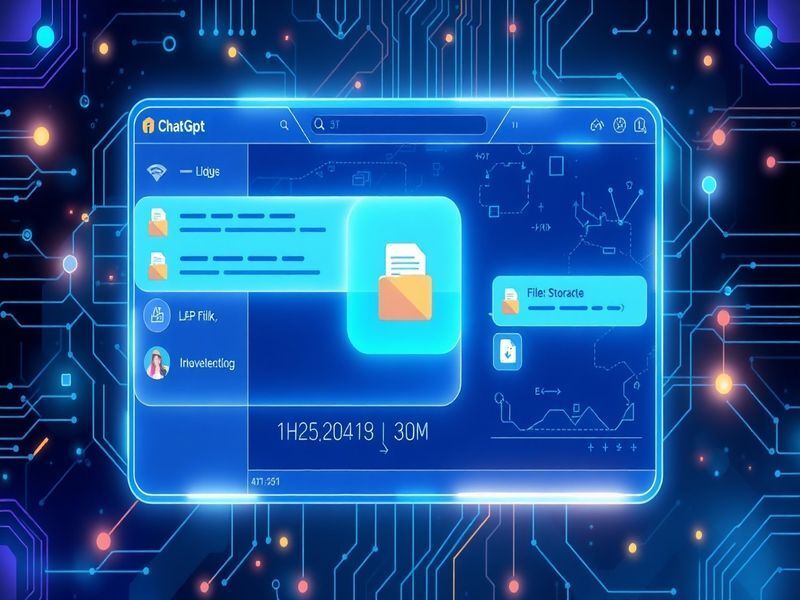
ChatGPT Introduces Persistent File Storage: A Game Changer in AI Conversations
OpenAI’s ChatGPT has recently rolled out an exciting new feature: persistent file storage. This innovative capability allows users to save and access files seamlessly across conversations, revolutionizing how we interact with AI. As artificial intelligence continues to evolve, this enhancement not only improves user experience but also opens new avenues for productivity and collaboration.
What is Persistent File Storage?
Persistent file storage enables users to upload and manage files directly within the ChatGPT interface. Unlike traditional chat sessions where context is lost, this feature retains uploaded files between conversations, ensuring users can access their documents, images, and data whenever needed. Here’s how it works:
- Users can upload a variety of file types, including text documents, images, and spreadsheets.
- Files remain accessible across multiple sessions, reducing the need for repeated uploads.
- The AI can reference these files during conversations, providing tailored responses based on the content.
Practical Insights for Users
The introduction of persistent file storage presents several practical benefits for users:
- Enhanced Productivity: Users can save time by not needing to re-upload files for ongoing projects. This feature is particularly valuable for professionals who rely on AI assistance for tasks such as drafting reports or analyzing data.
- Improved Contextual Understanding: By allowing ChatGPT to access relevant files, users can receive more accurate and contextually appropriate responses, facilitating smoother interactions.
- Streamlined Collaboration: Teams can share files within the ChatGPT environment, enabling collaborative brainstorming and problem-solving without switching platforms.
Industry Implications
The impact of persistent file storage extends beyond individual users; it has significant implications for various industries:
- Education: Students and educators can utilize this feature to manage study materials, assignments, and collaborative projects more effectively, fostering a more engaging learning experience.
- Corporate Sector: Businesses can leverage this tool for project management and team communication, allowing for real-time updates and feedback based on shared documents.
- Content Creation: Writers and content creators can manage drafts and research materials, enabling a more organized workflow when interacting with AI for feedback and suggestions.
Future Possibilities
Looking ahead, the implementation of persistent file storage could pave the way for a series of exciting developments in AI technology:
- Integration with Other Tools: Future iterations may see ChatGPT integrate with popular software like Google Drive or Dropbox, allowing for even more streamlined access to files.
- Advanced Personalization: As AI continues to evolve, persistent storage can enable more personalized experiences, where the AI learns user preferences and patterns over time, tailoring responses to individual needs.
- Security and Privacy Enhancements: With the growing need for data security, future updates could focus on providing users with robust security features to protect their stored files.
Conclusion
The introduction of persistent file storage in ChatGPT is a significant step forward in enhancing user experience and productivity. By allowing seamless access to files across conversations, OpenAI is not only improving the functionality of its AI but also setting the stage for future innovations. As AI continues to integrate deeper into our daily workflows, features like these will undoubtedly shape the landscape of how we interact with technology.