
Claude Code Introduces AI Code Review Tool: Revolutionizing Software Development
In an era where software development is evolving at an unprecedented pace, the introduction of AI-driven tools is reshaping how developers approach their workflows. One such innovation comes from Claude Code, which has unveiled an automated code review tool designed to enhance the development process and elevate software quality. This article delves into the workings of this tool, its implications for the industry, and the future possibilities it opens up for software engineering.
The Need for Automated Code Review
Code review is a critical step in the software development lifecycle, where peers examine each other’s code to identify bugs, ensure adherence to coding standards, and improve overall quality. However, traditional code reviews can be time-consuming and resource-intensive. Here are some challenges faced by developers:
- Time Consumption: Manual reviews can take hours, delaying project timelines.
- Human Error: Even experienced developers can overlook mistakes, leading to potential bugs in production.
- Inconsistency: Different reviewers may have varying standards, resulting in inconsistent code quality.
Automated code review tools like those developed by Claude Code aim to address these challenges, providing a more efficient mechanism for ensuring code quality.
How the AI Code Review Tool Works
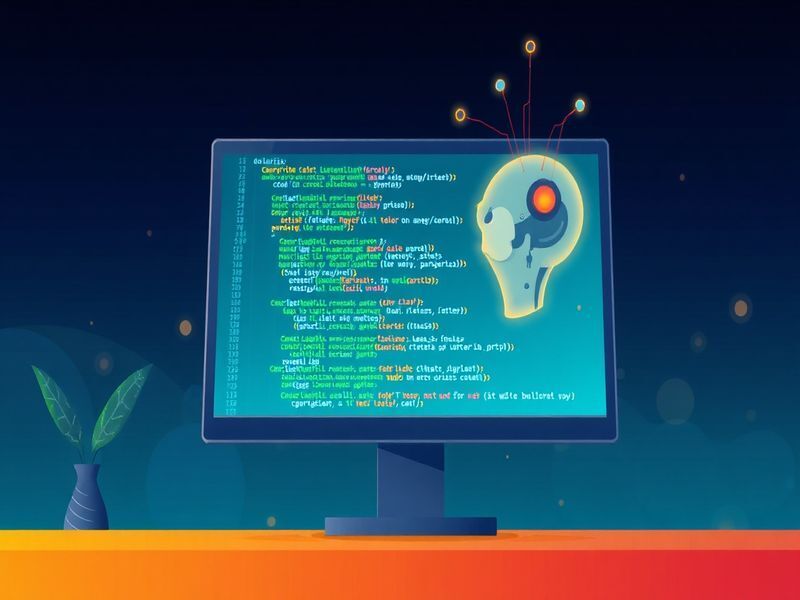
The AI code review tool from Claude Code leverages advanced machine learning algorithms to analyze codebases. Here’s a breakdown of its functionality:
- Static Code Analysis: The tool performs static analysis on the code to detect potential bugs, security vulnerabilities, and code smells.
- Style Enforcement: It checks adherence to coding standards and best practices, ensuring consistency across the codebase.
- Contextual Recommendations: Using natural language processing, the AI provides contextual feedback and suggestions for improvement based on the code’s purpose and structure.
- Integration with Development Environments: The tool integrates seamlessly with popular IDEs and version control systems, allowing developers to receive feedback in real-time.
Practical Insights for Developers
The implementation of Claude Code’s AI code review tool can bring about significant advantages for developers and teams, including:
- Enhanced Productivity: Automated reviews can drastically reduce the time spent on manual checking, allowing developers to focus on more complex tasks.
- Improved Code Quality: Continuous feedback helps maintain high standards, resulting in fewer bugs and higher-quality software.
- Knowledge Sharing: New team members can learn from AI-generated suggestions, making onboarding smoother and more effective.
- Scalability: As projects grow, the tool can handle increased complexity without compromising review quality.
Industry Implications
The introduction of AI code review tools like those from Claude Code is poised to have significant implications for the software industry:
- Shift in Developer Roles: Developers may spend less time on code reviews and more on strategic planning and creative development.
- Increased Collaboration: Teams can collaborate more effectively, as the tool ensures everyone adheres to the same coding standards.
- Cost Efficiency: Organizations can save on resources by reducing the need for extensive manual reviews, allowing for reallocation of budget towards innovation.
Future Possibilities
As AI technology continues to advance, the future of code review tools looks promising:
- Machine Learning Enhancements: Future iterations may utilize advanced machine learning techniques to learn from past code reviews, improving their accuracy and relevance over time.
- Broader Language Support: Expanding support for various programming languages could make such tools universally applicable across different tech stacks.
- Integration with CI/CD Pipelines: Deeper integration with continuous integration and continuous deployment (CI/CD) systems could automate not just review but also deployment, leading to a smoother workflow.
- AI Pair Programming: Future tools may evolve into AI pair programmers, providing real-time assistance and suggestions as developers write code.
As we embrace these advancements, it is clear that AI tools like Claude Code’s automated code review tool will play a crucial role in the evolution of software development, driving efficiency and quality to new heights.