

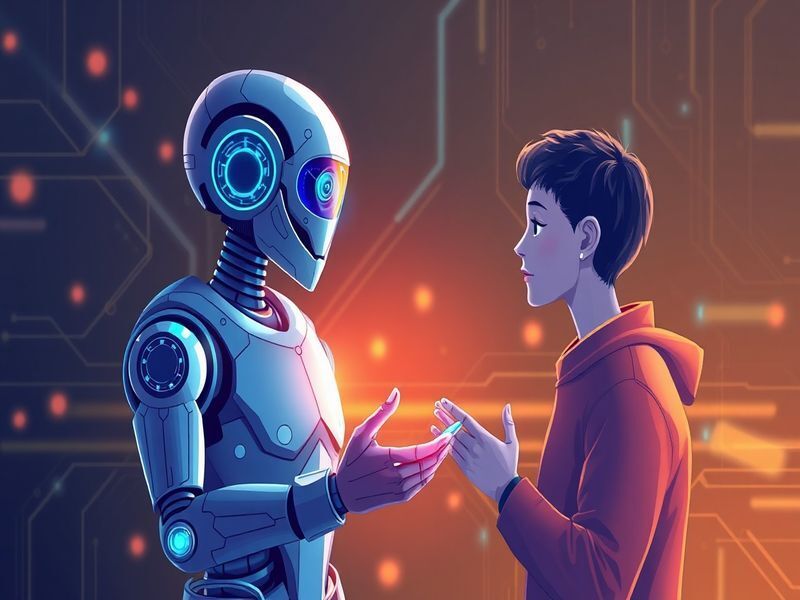
Claude’s New Memory Layer: What It Means for AI Interaction
As artificial intelligence continues to evolve, one of the most significant advancements is the introduction of memory features in AI systems. Claude, a conversational AI developed by Anthropic, has recently unveiled its new memory layer. This innovative feature aims to enhance the interaction between AI and users, offering a more personalized and context-aware experience. In this article, we will explore the implications of Claude’s memory feature for conversational AI and user experience, delving into practical insights, industry implications, and future possibilities.
Understanding Claude’s Memory Layer
The memory layer in Claude is designed to allow the AI to retain information from previous interactions, thus creating a more seamless conversational experience. Unlike traditional AI systems that rely on stateless interactions, Claude’s memory enables it to remember facts, preferences, and context from previous conversations. This development marks a significant step towards creating more intelligent and human-like AI systems.
Key Features of Claude’s Memory Layer
- Personalization: Claude can remember user preferences, making interactions more relevant and tailored.
- Context Retention: The AI can recall previous discussions, providing continuity in conversations.
- Dynamic Learning: Claude can update its memory as new information is provided, allowing for an adaptive learning process.
Implications for User Experience
The introduction of a memory layer in conversational AI has profound implications for user experience. Here are some of the significant changes users can expect:
- Enhanced Engagement: Users are likely to engage more with AI that remembers their preferences and previous discussions, leading to richer interactions.
- Increased Efficiency: With the ability to recall past conversations, Claude can reduce the need for users to repeat information, streamlining the interaction.
- Building Trust: Users may develop a sense of trust in AI systems that remember personal information, making them more likely to rely on these technologies.
Practical Insights for Developers
For AI developers and organizations looking to implement memory features, several practical insights can be gleaned from Claude’s new memory layer:
- Data Management: Establish clear guidelines for what data should be remembered and how it can be safely stored and retrieved.
- User Control: Allow users to manage their memory settings, including options to delete or modify remembered information.
- Transparency: Be transparent about how memory features work and how user data is used, fostering a relationship of trust with users.
Industry Implications
The introduction of memory layers in AI systems like Claude could have far-reaching implications across various industries:
- Customer Service: AI chatbots with memory capabilities can provide more personalized support, enhancing customer satisfaction.
- Healthcare: AI systems can remember patient histories, leading to better-informed medical advice and improved patient care.
- Education: Educational AI tools can tailor learning experiences based on individual student preferences and past performance.
Future Possibilities
Looking ahead, the potential for memory-enhanced AI systems is vast. Here are some exciting possibilities:
- Adaptive Interfaces: Future AI could create interfaces that adapt to user behavior over time, offering suggestions and actions based on accumulated knowledge.
- Collaborative AI: AI systems could work together, sharing memory to create a more cohesive and intelligent network of assistants.
- Emotional Intelligence: Through memory, AI may develop a better understanding of human emotions, leading to more empathetic interactions.
Conclusion
Claude’s new memory layer represents a significant leap forward in the evolution of conversational AI. By enhancing personalization, context retention, and dynamic learning, this feature not only improves user interactions but also poses new opportunities and challenges for developers and industries alike. As AI technology continues to advance, the potential for creating more human-like, intelligent systems will only grow, paving the way for a future where AI becomes an indispensable part of our daily lives.