Codex Learns by Watching You: How Screen Recordings Can Turn Everyday Tasks into Reusable Skills for AI
The rise of artificial intelligence (AI) has transformed how we interact with technology, creating new opportunities for innovation and efficiency. Among these advancements, the integration of screen recordings into AI learning processes represents a significant leap forward. By observing users perform tasks in real-time, AI systems like Codex can learn and adapt, turning everyday activities into reusable skills. This article explores how this technology works, its industry implications, and what the future holds for AI that learns by watching.
The Mechanism Behind Learning by Observation
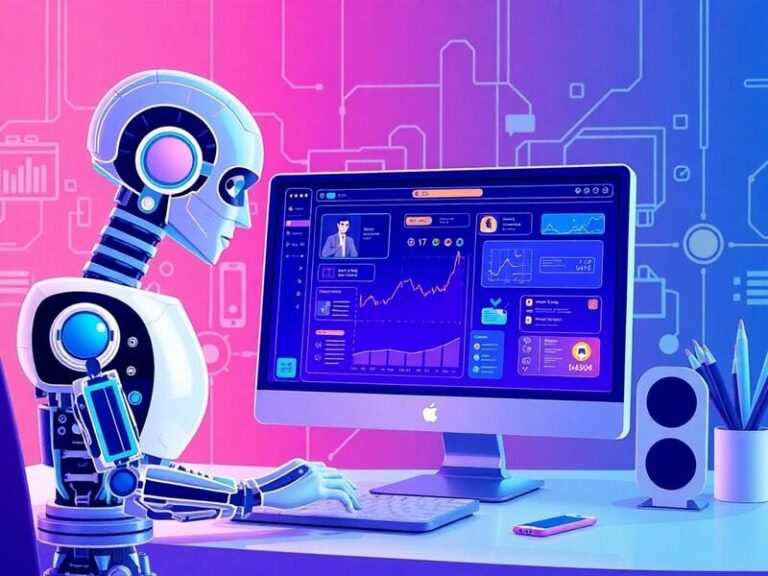
At its core, the concept of AI learning through observation is rooted in a fundamental principle of machine learning: mimicry. Codex, developed by OpenAI, utilizes screen recordings to understand and replicate user actions. This process involves several key steps:
- Data Collection: Screen recordings capture user interactions with applications, allowing AI to gather vast amounts of data on how tasks are performed.
- Pattern Recognition: Using algorithms, Codex analyzes these recordings to identify patterns and correlations between user actions and outcomes.
- Skill Formation: Once patterns are recognized, Codex generates reusable skills that can be applied in similar contexts, automating tasks to improve efficiency.
This method of learning is powerful because it allows AI to understand not just the “what” but the “how” behind user actions, enabling it to provide more contextually relevant assistance.
Practical Insights for Everyday Users
For individuals and organizations, the implications of AI learning through screen recordings are profound. Here are some practical insights:
- Increased Productivity: By automating repetitive tasks, users can focus on more strategic work, ultimately enhancing productivity across teams.
- Personalized Learning: As AI learns from specific user interactions, it can tailor its responses and suggestions, leading to a more personalized experience.
- Onboarding and Training: New employees can benefit from AI that has learned from experienced users, accelerating their training process and reducing the learning curve.
These insights demonstrate that the potential of AI learning from screen recordings can lead to more efficient workflows and improved user experiences.
Industry Implications
The ability for AI to learn by watching has significant implications across various industries:
- Healthcare: In medical settings, AI can learn from doctors’ interactions with health records and diagnostic tools, providing suggestions that enhance patient care.
- Finance: Financial analysts can use AI to automate data analysis, allowing the system to learn from their decision-making processes and improve accuracy over time.
- Customer Service: AI can observe customer interactions to improve response strategies, ultimately enhancing user satisfaction and loyalty.
Across these sectors, the ability of AI to observe and learn can lead to significant breakthroughs, enabling more effective and responsive systems.
Future Possibilities
Looking ahead, the future of AI learning through observation is promising. Here are some possibilities that could shape the landscape:
- Advanced Contextual Understanding: As AI systems become more sophisticated, their ability to understand context will improve, allowing for more nuanced interactions and recommendations.
- Integration with Augmented Reality (AR): Combining AI with AR technologies could lead to immersive training environments where AI learns in real-time, creating highly effective educational tools.
- Ethical Considerations: As AI learns from user data, it will be crucial to address privacy concerns and ensure ethical guidelines are followed to protect user information.
These future possibilities highlight the exciting trajectory of AI technologies that learn through observation, paving the way for innovative applications and ethical considerations that must be navigated carefully.
In conclusion, the ability for AI to learn by watching users perform everyday tasks represents a significant advancement in technology. By harnessing the power of screen recordings, systems like Codex can convert user interactions into reusable skills, enhancing productivity, personalizing experiences, and revolutionizing industries. As we move forward, the integration of these technologies will continue to shape the way we work and interact with the digital world, making it essential for professionals to keep an eye on these developments.