
Cursor Ditches the IDE for Agent Control: Examining the Shift from Traditional Coding Environments to Managing Fleets of AI Agents
In the rapidly evolving landscape of technology, the traditional integrated development environment (IDE) is undergoing a profound transformation. Developers are beginning to move away from conventional coding environments, opting instead for a paradigm where managing fleets of AI agents becomes the central focus. This shift represents not just a change in tools but a fundamental shift in how we think about programming, collaboration, and problem-solving.
The Rise of AI Agents
AI agents are autonomous software programs designed to perform tasks on behalf of users or systems. Unlike traditional coding, where developers write explicit instructions, AI agents learn from data and adapt their behavior through machine learning algorithms. This shift allows for a more dynamic approach to problem-solving, where human oversight can focus on strategic thinking while the agents handle execution.
The emergence of AI agents has been fueled by advancements in several key areas:
- Machine Learning: As algorithms become more sophisticated, AI agents can learn from their environment and improve their performance over time.
- Cloud Computing: The availability of scalable resources allows fleets of AI agents to operate seamlessly, handling larger datasets and more complex tasks.
- Natural Language Processing (NLP): AI agents can now understand and process human language, making them more accessible and easier to integrate into various workflows.
Practical Insights: Transitioning to AI Agent Management
Transitioning from traditional IDEs to managing AI agents requires a shift in mindset and approach. Here are some practical insights for developers and organizations considering this change:
- Understand the Capabilities: Before diving into AI agent management, it’s essential to understand what these agents can do. Familiarize yourself with the specific AI technologies that can enhance productivity in your domain.
- Invest in Training: Equip your team with the necessary skills to manage AI agents. This includes understanding AI ethics, data governance, and the nuances of working with machine learning models.
- Start Small: Begin with small projects to test the waters. Create a few AI agents to automate repetitive tasks and gradually expand their roles as you gain confidence and experience.
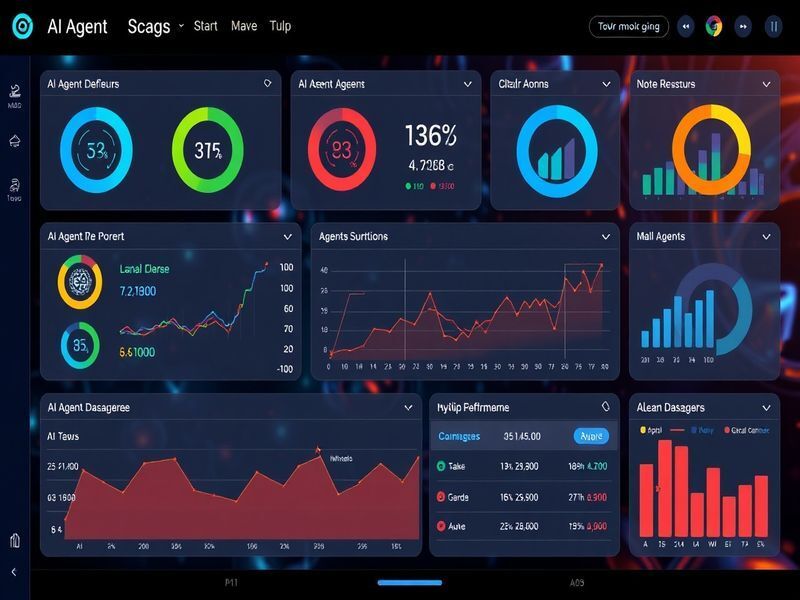
- Monitor Performance: Implement robust monitoring tools to assess the performance of your AI agents. This will help you understand their effectiveness and make data-driven adjustments as needed.
Industry Implications
The shift towards managing AI agents has several implications across various industries:
- Increased Efficiency: Organizations can automate routine tasks, allowing human talent to focus on higher-value activities that require creativity and critical thinking.
- Enhanced Collaboration: Teams can collaborate more effectively as AI agents can serve as intermediaries, facilitating communication and task delegation based on real-time data.
- Data-Driven Decision Making: With AI agents handling data analysis, organizations can make informed decisions quickly, leveraging insights that were previously hidden or time-consuming to uncover.
Future Possibilities
As we look to the future, the possibilities for AI agent management are boundless:
- Decentralized Development: Imagine a world where developers create and deploy agents in a decentralized manner, contributing to a shared ecosystem of intelligent applications.
- AI Ethics and Governance: As fleets of AI agents become more prevalent, establishing frameworks for ethical AI use and governance will be critical.
- Interoperability of Agents: Future advancements may allow AI agents from different organizations to work together seamlessly, creating a collaborative network that enhances overall productivity.
In conclusion, the transition from traditional IDEs to managing fleets of AI agents is not merely a technological evolution; it represents a paradigm shift in how we approach software development and operational efficiency. As organizations embrace this change, they will need to navigate the challenges and opportunities that come with it, ultimately reshaping the landscape of technology for years to come.