
Desktop Robots: The Future of Personal Companion Technology
In the ever-evolving landscape of technology, the emergence of desktop robots represents a significant leap forward in personal companion systems. These innovative devices not only enhance user interaction but also leverage existing technologies, particularly smartphones, to create adaptable, engaging, and highly functional assistants. This article delves into how these new robot designs are reshaping our everyday lives, emphasizing their integration with artificial intelligence (AI) and future implications for various industries.
The Evolution of Companion Technology
Companion technology has transformed over the decades, from simple chatbots to complex AI systems capable of understanding and responding to human emotions. The latest iteration, desktop robots, combines the functionalities of traditional robots with the mobility and connectivity of smartphones. This fusion is set to redefine user experiences.
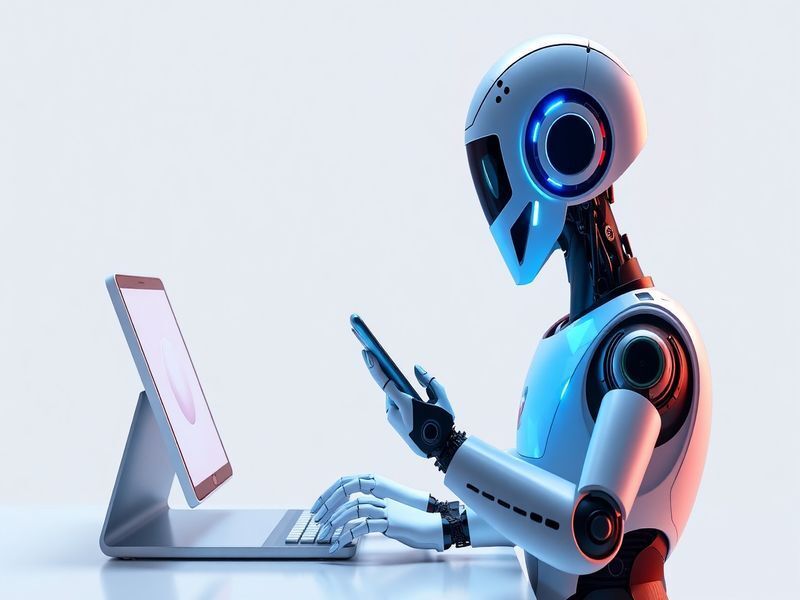
- Smartphone Integration: Many desktop robots can seamlessly connect with smartphones, utilizing their processing power and connectivity to enhance functionality.
- AI Capabilities: Advanced AI algorithms enable these robots to learn from user interactions, making them more personalized and effective over time.
- Physical Presence: Unlike their purely digital counterparts, desktop robots have a tangible form, making them more relatable and engaging for users.
How Desktop Robots Work
At their core, desktop robots are designed to assist users in various tasks, from managing schedules to providing entertainment. Their operation typically involves the following components:
- AI and Machine Learning: Desktop robots utilize machine learning algorithms to improve their interactions and adapt to user preferences. They analyze data from user interactions to provide tailored responses and suggestions.
- Smartphone Connectivity: By leveraging smartphones, these robots can access a vast array of applications and data, enhancing their capabilities such as voice recognition and real-time communication.
- Sensor Technology: Equipped with various sensors, desktop robots can navigate their environment, respond to voice commands, and even detect user emotions through voice tone and facial recognition.
Practical Insights into Usage
The practical applications of desktop robots are vast and varied. Here are some common use cases:
- Personal Assistance: Managing calendars, setting reminders, and providing updates on weather or news can all be handled efficiently by desktop robots.
- Entertainment: These robots can serve as interactive companions, playing games, telling jokes, or even engaging in storytelling.
- Health Monitoring: With the integration of health tracking apps, desktop robots can remind users to take medication or provide exercise suggestions based on user health data.
Industry Implications
The rise of desktop robots not only impacts individual users but also has broader implications for various industries:
- Healthcare: Desktop robots could assist in elderly care, providing companionship and alerting caregivers in emergencies.
- Education: They can serve as educational aids, helping students with homework or providing interactive learning experiences.
- Customer Service: Businesses may employ desktop robots to enhance customer interaction, providing instant responses and assistance.
Future Possibilities
As technology advances, the potential for desktop robots continues to expand. Here are some future trends we can expect:
- Enhanced AI Learning: Future models will likely integrate more advanced neural networks, allowing robots to understand and predict user needs even better.
- Improved Affordability: As production costs decrease, desktop robots may become accessible to a broader audience, making them a common household item.
- Increased Customization: Users may have the ability to customize their robots extensively, from appearance to functionalities, fostering a deeper emotional connection.
In conclusion, desktop robots represent a fascinating intersection of AI, smartphone technology, and user-centered design. By enhancing personal interaction and providing practical assistance, they are poised to become essential companions in both personal and professional settings. As we look to the future, the continued evolution of these technologies will undoubtedly lead to even more innovative applications, fundamentally changing how we interact with machines and improving our daily lives.