
DoorDash Drivers Training AI: A New Data Collection Layer
In the ever-evolving landscape of technology and artificial intelligence (AI), innovative applications are emerging that harness the capabilities of gig economy workers. One groundbreaking development is the integration of AI training through DoorDash drivers, which not only enhances service efficiency but also contributes valuable real-time data for businesses. This article explores how these gig workers are playing a vital role in the AI ecosystem, the implications for various industries, and the future possibilities that arise from this dynamic relationship.
The Role of DoorDash Drivers in Data Collection
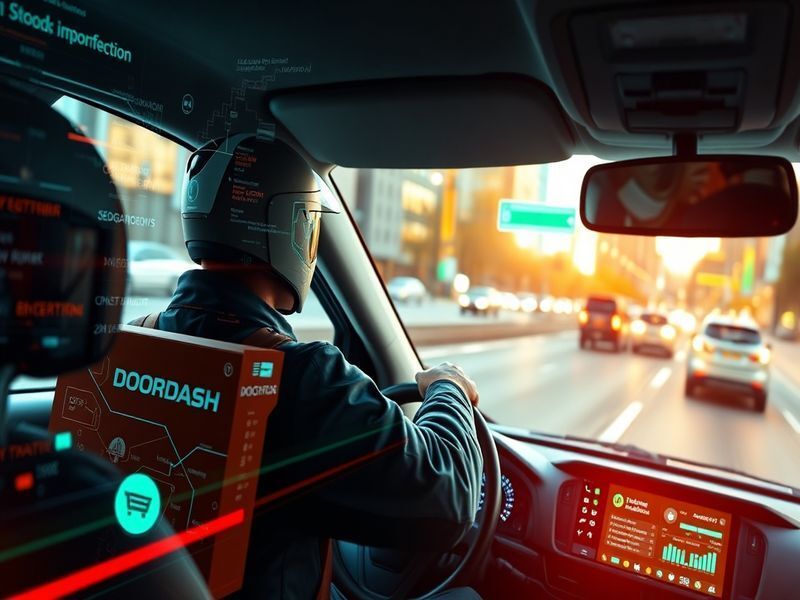
DoorDash drivers, often referred to as “Dashers,” are at the forefront of a unique data ecosystem. As they navigate urban landscapes to deliver food, they are also collecting a wealth of information that can be used to train AI models. This data can include:
- Traffic Patterns: Dashers observe real-time traffic conditions, which can inform businesses about peak delivery times and the best routes.
- Customer Preferences: Insights into ordering habits, popular menu items, and customer feedback can help restaurateurs tailor their offerings.
- Delivery Times: Real-time data on how long deliveries take can improve logistics and customer satisfaction.
This data collection process represents a new layer of information that businesses can leverage to enhance their operational efficiency and customer experience.
AI Training Through Real-World Experiences
The integration of AI training with the experiences of DoorDash drivers is a two-fold benefit: it enhances AI algorithms while providing drivers with better tools to perform their jobs. Here’s how:
- Real-Time Decision Making: AI models can be trained to analyze data collected by Dashers, enabling better decision-making algorithms that improve route optimization and delivery speeds.
- Predictive Analytics: By using historical data from drivers, businesses can forecast demand and adjust their resources accordingly, leading to reduced wait times and increased customer satisfaction.
- Enhanced Personalization: AI can utilize data on customer preferences to personalize marketing efforts, making recommendations that resonate with individual users.
As these AI models are trained with real-world data, the accuracy and efficiency of operations improve, creating a feedback loop that benefits both drivers and businesses.
Industry Implications
The implications of this new data collection layer are profound across various industries:
- Food Delivery Services: Companies like DoorDash can refine their delivery algorithms, ultimately leading to faster service and reduced operational costs.
- Retail and E-commerce: Insights from delivery data can help retailers manage inventory better and enhance supply chain processes.
- Urban Planning: Data on traffic patterns and delivery routes can assist city planners in optimizing road usage and reducing congestion.
As businesses tap into this data, they can create more adaptable and responsive strategies that cater to consumer needs and preferences.
Future Possibilities
The future of AI training through gig economy workers like DoorDash drivers holds exciting possibilities:
- Expanded Data Sources: Other gig economy platforms, such as Uber or Lyft, can contribute similar data, creating a comprehensive dataset that enhances AI training.
- Improved Driver Tools: As AI models advance, drivers may gain access to real-time analytics that can help them make better decisions on the road.
- Integration with Smart Cities: The collaborative data-sharing between drivers and city infrastructures may lead to smarter urban environments that can dynamically respond to changes in traffic and demand.
Ultimately, the collaboration between AI and gig economy workers will likely lead to enhanced services, better job tools, and a more seamless interaction between businesses and consumers.
Conclusion
DoorDash drivers are not just delivering food; they are contributing to a new era of data collection that enhances AI training and improves business operations. As this trend continues to evolve, it presents unique opportunities for innovation, allowing industries to harness real-time data for better decision-making. The intersection of gig economy dynamics and AI technology is paving the way for a future where every delivery contributes to a broader understanding of consumer behavior and operational efficiency.