

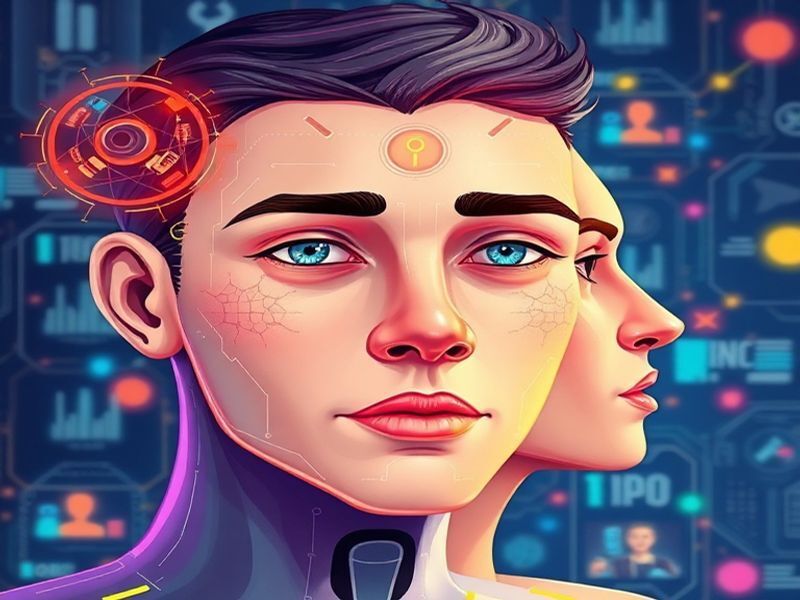
Emotions in AI: The Discovery Within Claude
As artificial intelligence (AI) continues to evolve, the integration of emotional recognition into AI systems has emerged as a pivotal area of research and application. This exploration not only raises questions about the technological capabilities of AI but also delves into the implications of these advancements for society, industry, and human interaction. In this article, we investigate the emotional recognition capabilities of AI systems, particularly focusing on a system referred to as Claude, and explore the implications of these developments.
The Role of Emotional Recognition in AI
Emotional recognition in AI involves the ability of machines to identify and interpret human emotions based on various inputs. This technology leverages advancements in machine learning, natural language processing (NLP), and computer vision to analyze data from facial expressions, voice intonations, and textual cues.
- Facial Recognition: AI systems can analyze facial movements to recognize emotions like happiness, sadness, anger, and surprise.
- Voice Analysis: By examining voice pitch and tone, AI can ascertain emotional states, such as anxiety or excitement.
- Textual Analysis: NLP enables AI to interpret emotions from written content, understanding context and sentiment.
Claude: A Case Study
Claude represents one of the latest developments in emotional recognition AI. Designed to engage in natural conversations, Claude employs sophisticated algorithms that allow it to recognize and respond to human emotions. This capability enhances user interaction and creates an experience that feels more intuitive and human-like.
Key features of Claude include:
- Adaptive Learning: Claude can adapt to a user’s emotional state over time, improving its responses based on prior interactions.
- Contextual Understanding: It can comprehend the nuances of conversation, such as sarcasm or humor, which are critical for genuine emotional engagement.
- Multi-Modal Inputs: Claude utilizes data from various sources, including voice, text, and visual cues, to form a holistic understanding of the user’s emotional state.
Implications of Emotional Recognition in AI Systems
The integration of emotional recognition capabilities in AI systems like Claude is set to transform numerous industries by enhancing interaction quality and personalization. Here are some of the key implications:
1. Customer Service Transformation
AI systems capable of recognizing emotions can revolutionize customer service by providing tailored responses that resonate with the emotional state of the customer. This leads to:
- Improved customer satisfaction through empathetic interactions.
- Reduction in escalation of complaints by addressing emotional needs promptly.
- Enhanced loyalty as customers feel understood and valued.
2. Mental Health Support
In the realm of mental health, AI systems like Claude can serve as companions or preliminary support systems. They can:
- Monitor emotional fluctuations and suggest coping mechanisms.
- Provide a non-judgmental space for individuals to express their feelings.
- Facilitate access to mental health resources based on detected needs.
3. Education and Learning Environments
In educational settings, emotional recognition can foster a more effective learning environment. AI can:
- Identify students’ emotional responses to material and adjust teaching methods accordingly.
- Provide personalized feedback that aligns with each student’s emotional and cognitive state.
- Support educators in recognizing when students may need additional help or intervention.
Future Possibilities and Ethical Considerations
As we look towards the future, the potential applications of emotional recognition in AI are vast, but they also come with ethical considerations that must be addressed:
- Privacy Concerns: The collection of emotional data raises questions about consent and data security.
- Bias in Emotion Recognition: AI systems must be trained on diverse datasets to avoid reinforcing existing biases in emotional interpretation.
- Dependence on AI: Over-reliance on AI for emotional support could lead to diminished human interactions.
Addressing these concerns will be crucial as we harness the power of emotional recognition in AI. Developing robust regulatory frameworks and ethical guidelines will ensure that these technologies are utilized responsibly.
Conclusion
The exploration of emotional recognition in AI, exemplified by systems like Claude, signifies a monumental leap in our relationship with technology. It holds the potential to enhance user experiences across various industries while also presenting challenges that require careful navigation. As AI continues to evolve, the integration of emotional intelligence may well redefine how we interact with machines and, by extension, with each other.