

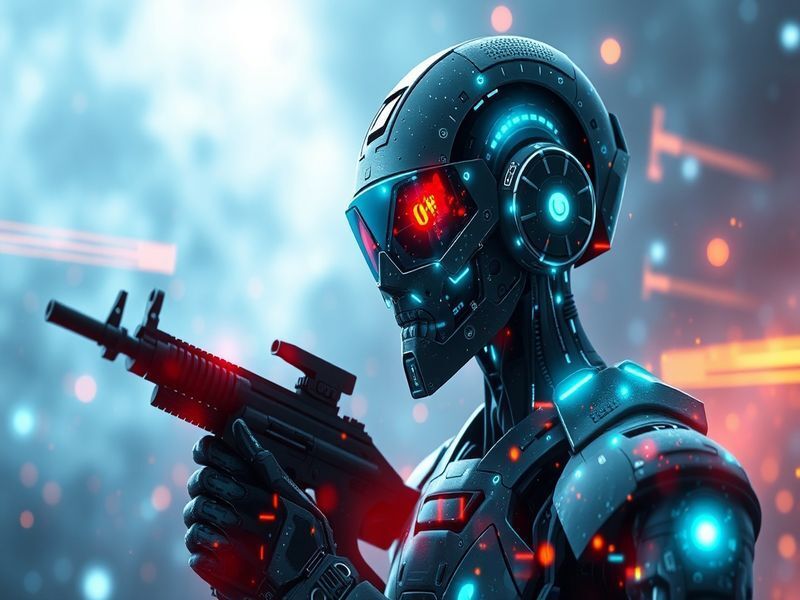
Anthropic’s Stance on Autonomous Weapons: Implications for AI Safety in Military Applications
In recent years, the debate surrounding the use of artificial intelligence (AI) in military applications, particularly autonomous weapons, has intensified. Among the key players in this debate is Anthropic, a pioneering AI safety and research organization. Anthropic has taken a strong stance against the integration of AI into military weaponry, emphasizing the importance of safety measures. This article explores Anthropic’s refusal to compromise on AI safety, the implications for the industry, and the future possibilities of AI technology in military contexts.
Understanding Anthropic’s Position
Founded by former OpenAI researchers, Anthropic’s mission revolves around developing AI systems that are beneficial and safe. The organization believes that AI, particularly when used in military systems, poses significant risks that can lead to unintended consequences. Key aspects of their stance include:
- Ethical Responsibility: Anthropic advocates for a strong ethical framework guiding the development of AI technologies, especially in contexts that could lead to loss of human life.
- Safety Measures: They argue that without rigorous safety protocols, the deployment of AI in military applications could result in catastrophic failures.
- Long-term Impact: Anthropic emphasizes the need to consider the long-term implications of AI on society, advocating for policies that prevent harmful uses of technology.
Practical Insights: The Risks of Autonomous Weapons
The integration of AI into military applications, particularly through autonomous weapons, poses several risks that have been widely discussed in both academic and policy circles:
- Accountability: Who is responsible when an autonomous weapon malfunctions or causes unintended harm? This question remains largely unanswered.
- Escalation of Conflict: Autonomous weapons could lead to rapid escalation in conflicts, as machines may make split-second decisions without human intervention.
- Bias and Discrimination: AI systems can inherit biases from their training data, leading to potentially discriminatory outcomes in military engagements.
Industry Implications of Anthropic’s Stance
Anthropic’s firm position on AI safety has several implications for the broader technology and defense industries:
- Policy Influence: By advocating for AI safety, Anthropic may influence policymakers to establish regulations that govern the development and deployment of AI technologies in military contexts.
- Research Funding: Increased focus on AI safety could redirect funding towards research aimed at creating safe and ethical AI systems, promoting innovation in responsible technologies.
- Corporate Responsibility: Other tech companies may feel pressure to adopt similar stances, resulting in a shift towards prioritizing safety and ethics in AI development.
Future Possibilities: A Balanced Approach to AI in Military Applications
While Anthropic’s refusal to engage with the military sector concerning autonomous weapons raises concerns about innovation, it also opens up avenues for a balanced approach:
- Collaborative Development: Future collaborations between tech firms and military organizations can focus on creating AI systems that enhance safety and reduce risks.
- Human-AI Teaming: Instead of fully autonomous weapons, the industry could explore designs that augment human decision-making, ensuring that humans remain in control.
- Global Standards: International cooperation can lead to the establishment of global standards for the use of AI in military applications, promoting peace and stability.
Conclusion
Anthropic’s commitment to AI safety, particularly concerning military applications and autonomous weapons, highlights a critical conversation in the tech industry. By refusing to compromise on safety measures, Anthropic not only sets a precedent for ethical responsibility but also challenges the industry to rethink its approach to AI in warfare. The implications of this stance extend beyond individual organizations, influencing policy, funding, and the future of AI technology. As we look ahead, fostering a dialogue on the responsible use of AI in military contexts remains essential for ensuring that technological advancements serve humanity’s best interests.