
Figma Unveils AI-Powered Creative Suite: The Eraser & Expand Tools Redefining Digital Design
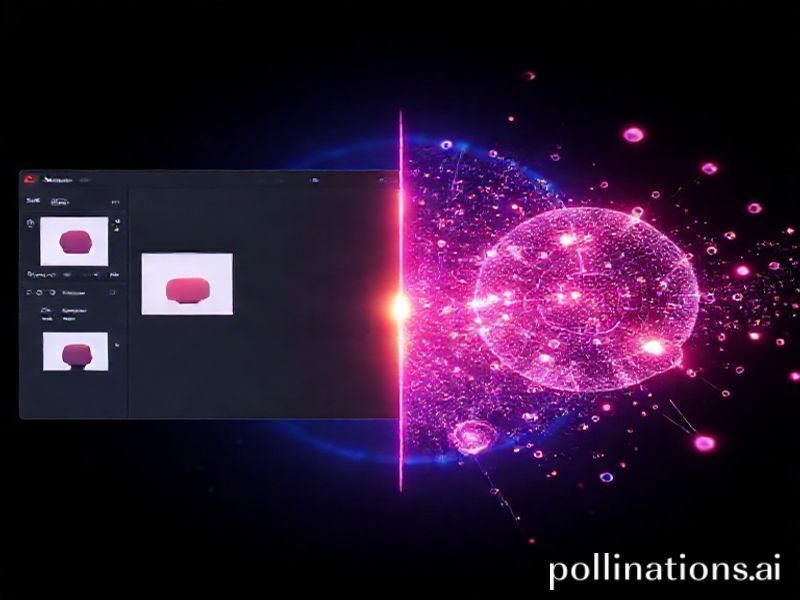
In a bold move that signals the next evolution of creative software, Figma has introduced two groundbreaking AI-powered features that promise to transform how designers interact with their canvas. The new In-Canvas AI Eraser and Expand Tools represent more than just incremental updates—they’re a glimpse into the future of AI-assisted design where machine learning seamlessly integrates with human creativity.
These innovative tools enable designers to retouch lighting conditions, remove unwanted objects, and extend visual scenes—all without ever leaving their primary workflow. This development marks a significant milestone in the democratization of advanced image editing capabilities, previously reserved for specialized software like Photoshop or complex AI platforms.
The Technology Behind the Magic
Figma’s new AI tools leverage sophisticated machine learning models trained on millions of design scenarios. The AI Eraser employs advanced computer vision algorithms to understand context, texture, and spatial relationships within designs. When a designer selects an object for removal, the AI doesn’t simply delete—it intelligently reconstructs the background by analyzing surrounding pixels, patterns, and lighting conditions.
The Expand Tool takes this capability further by utilizing generative AI models similar to those powering DALL-E and Midjourney, but optimized specifically for design workflows. It can extend backgrounds, generate missing visual elements, and maintain consistent artistic styles across expanded areas.
Key Technical Innovations:
- Context-Aware Processing: The AI understands design hierarchy and maintains consistency with existing brand elements
- Real-Time Rendering: Lightning-fast processing eliminates traditional wait times for complex edits
- Style Preservation: Maintains color palettes, textures, and artistic styles throughout modifications
- Non-Destructive Editing: All changes remain editable and reversible, preserving design integrity
Practical Applications Transforming Workflows
The implications for daily design work are profound. Marketing teams can now quickly adapt hero images for different campaigns without specialized retouching skills. UX designers can seamlessly extend interface mockups for various screen sizes. Product photographers can remove unwanted reflections or objects instantly.
Consider a typical scenario: A designer creates a website hero image featuring a product shot, but the client requests removal of a distracting background element and wants the image extended for a wider banner format. Previously, this would require:
- Exporting to Photoshop
- Complex masking and cloning work
- Potential quality loss during format conversion
- Time-consuming back-and-forth between applications
With Figma’s AI tools, this entire process happens natively within seconds, maintaining vector quality and design system consistency.
Industry Implications and Market Disruption
This release positions Figma as more than just a collaborative design tool—it’s evolving into a comprehensive creative platform that could challenge Adobe’s long-standing dominance in professional image editing. The integration of AI directly into the design process represents a shift toward contextual AI that understands and adapts to specific creative workflows.
The move also reflects broader industry trends:
- Democratization of Advanced Tools: Complex editing capabilities become accessible to non-specialists
- Workflow Consolidation: Reducing tool-switching increases productivity and creative flow
- AI-First Design Philosophy: Machine learning becomes a core component rather than an add-on feature
Competitive Landscape Shifts
Adobe’s recent integration of Firefly AI into Creative Cloud shows the industry recognizes this shift. However, Figma’s approach—building AI natively into the collaborative design environment—offers unique advantages. Teams can now iterate on AI-generated content in real-time, with version control and collaborative features built-in from the ground up.
Future Possibilities and Emerging Trends
The introduction of these tools opens fascinating possibilities for the future of AI-assisted design:
1. Intelligent Design Systems
Future iterations could automatically suggest design variations based on brand guidelines, automatically generating multiple layout options while maintaining consistency across all elements.
2. Predictive Design Assistance
AI could learn from individual designer preferences and project histories, offering proactive suggestions for improvements or identifying potential issues before they become problems.
3. Cross-Platform AI Integration
We might see AI models that understand not just visual design but also technical constraints, automatically optimizing designs for different platforms, devices, or accessibility requirements.
4. Generative Design Evolution
The technology could evolve to generate entire design systems from simple prompts, creating comprehensive brand identities, icon sets, or illustration libraries on demand.
Challenges and Considerations
Despite the excitement, several challenges warrant consideration:
- Quality Control: AI-generated content may require human oversight to ensure brand consistency
- Skill Evolution: Designers must adapt to leverage AI tools effectively while maintaining creative control
- Ethical Implications: Questions about originality and attribution in AI-assisted work need addressing
- Technical Limitations: Current AI models may struggle with highly specialized or niche design requirements
The Road Ahead
Figma’s AI Eraser and Expand Tools represent more than feature additions—they signal a fundamental shift in how creative tools evolve. As AI becomes increasingly sophisticated, we can expect to see more intelligent, context-aware features that blur the line between human creativity and machine assistance.
For designers, the message is clear: AI isn’t replacing creativity; it’s amplifying it. Those who embrace these tools while developing new skills in AI collaboration will find themselves at the forefront of a creative revolution. The future belongs to designers who can seamlessly blend human intuition with artificial intelligence, creating experiences that neither could achieve alone.
As we stand at this inflection point, one thing becomes increasingly apparent: the tools we use shape not just what we create, but how we think about creation itself. Figma’s latest innovation is more than a technical achievement—it’s a window into a future where the boundaries between imagination and realization become ever more fluid.