
Google’s Flow: Merging Image Generation and Video Creation
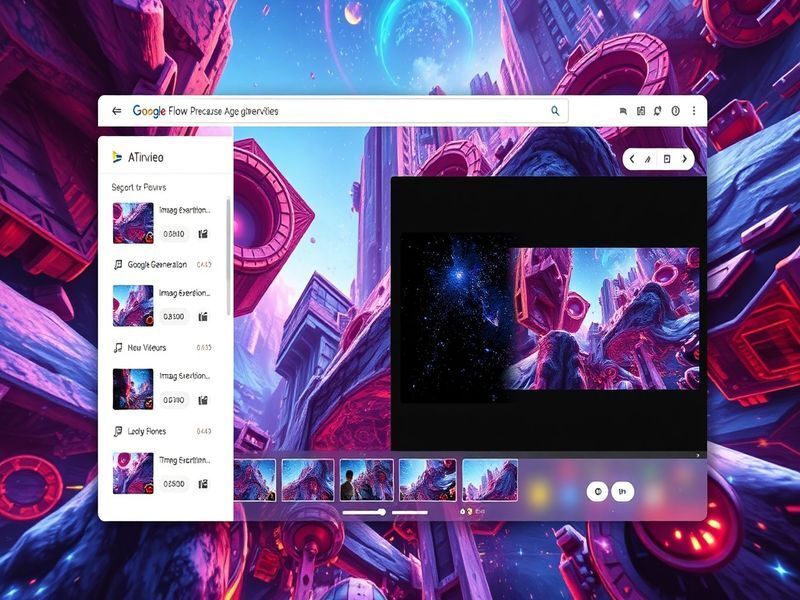
In the ever-evolving landscape of artificial intelligence and digital creativity, Google has taken a significant step forward with its latest platform, Flow. This innovative tool integrates multiple AI capabilities into a single workspace, enabling seamless transitions between image generation and video creation. As the lines between different media forms blur, Flow exemplifies the future of content creation, merging diverse technologies to enhance productivity and creativity.
The Core Features of Google Flow
Flow is designed to serve as a comprehensive hub for creators, combining various AI tools that cater to both image and video content. Some of the standout features include:
- Image Generation: Utilizing advanced algorithms, Flow can produce high-quality images from text prompts, allowing users to visualize concepts with minimal effort.
- Video Creation: Flow facilitates the transformation of static images into dynamic video content, complete with animations, transitions, and soundtracks.
- AI-Assisted Editing: Users can leverage AI tools for editing both images and videos, ensuring a polished final product without the need for extensive manual adjustments.
- Collaboration Tools: Flow supports real-time collaboration, enabling teams to work on projects simultaneously, regardless of their physical location.
Practical Insights
The integration of these features allows users to create compelling content rapidly. For instance, a digital marketing team can generate promotional images based on the latest trends and immediately convert those visuals into engaging video ads. This capability not only saves time but also reduces the friction typically associated with content production.
Moreover, Flow’s AI-assisted editing tools can suggest modifications based on best practices, helping users enhance their projects without needing extensive expertise in graphic design or video production. This democratization of content creation means that even those without a background in media can produce high-quality materials.
Industry Implications
The introduction of Flow is poised to impact several industries significantly:
- Marketing and Advertising: With the ability to quickly generate and iterate on visual content, marketing teams can react faster to market trends and consumer preferences, leading to more relevant and timely campaigns.
- Entertainment: Content creators in the entertainment industry can leverage Flow to produce trailers, teasers, and promotional materials more efficiently, allowing for a more agile production cycle.
- Education: Educators can create visually rich learning materials and dynamic presentations, enhancing engagement and retention among learners.
As industries begin to adopt such tools, we can expect a shift towards more visually-oriented communication, where the quality of images and videos plays a crucial role in engagement and information retention.
Future Possibilities
The potential of Google Flow extends beyond its current capabilities. As machine learning models continue to advance, we can anticipate:
- Enhanced Personalization: Flow could offer tailored content generation based on user preferences and historical data, creating highly personalized media experiences.
- Integration with Other Platforms: Future updates may enable Flow to interface seamlessly with social media platforms, allowing for instant sharing and direct publishing from the workspace.
- Augmented Reality (AR) and Virtual Reality (VR) Applications: As AR and VR technologies mature, we could see Flow incorporating these elements, enabling users to create immersive content experiences.
These advancements could further blur the lines between content types, creating a world where static images, videos, and interactive media are all part of a unified storytelling approach.
Conclusion
Google’s Flow represents a significant leap in the integration of AI tools for content creation. By merging image generation and video creation into a single platform, Flow not only enhances productivity but also opens up new creative possibilities for users across various industries. As we move forward, the implications of such technologies will shape the future of digital content, encouraging innovation and collaboration in ways previously thought impossible.