
Google Opens the Extension Floodgates—Gemini’s Chaotic Bet Against OpenAI’s Walled Garden
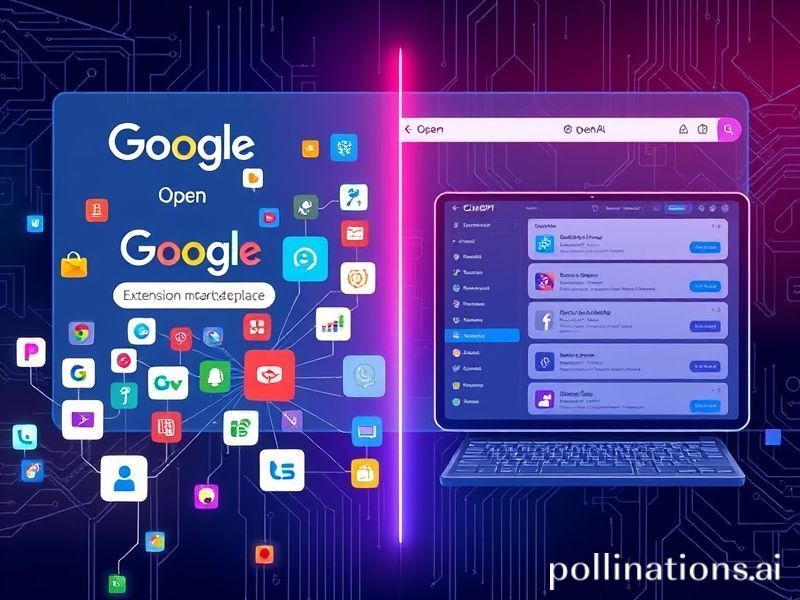
In a move that could reshape the AI landscape, Google has thrown open the doors to its Gemini ecosystem, allowing third-party developers to create extensions that integrate directly with its flagship language model. This bold strategy stands in stark contrast to OpenAI’s more controlled approach with ChatGPT, creating a fascinating dichotomy in how AI giants are choosing to evolve their platforms.
The Extension Revolution Begins
Google’s announcement marks a significant pivot from its traditionally cautious approach to AI deployment. By enabling developers to build extensions that can access real-time data, interact with external services, and extend Gemini’s capabilities beyond its training data, Google is essentially creating an AI app store ecosystem.
The implications are profound. Imagine asking Gemini to book a flight, manage your calendar, analyze stock portfolios, or control smart home devices—all through seamless integrations with third-party services. This isn’t just about convenience; it’s about transforming AI from a conversational tool into an action-oriented digital assistant that can actually do things in the real world.
Why Google’s Open Approach Matters
Google’s decision to embrace an open extension ecosystem represents a fundamental philosophical difference in how AI platforms should evolve. While OpenAI has maintained tight control over ChatGPT’s capabilities, Google is betting that innovation thrives in openness.
The Power of Network Effects
By allowing thousands of developers to build on Gemini’s foundation, Google is tapping into collective intelligence at scale. This approach has several advantages:
- Rapid Innovation: Thousands of developers can experiment and create specialized tools faster than any single company
- Diverse Use Cases: Extensions can address niche markets and specific industries that Google might never target directly
- Network Effects: As more extensions are built, Gemini becomes more valuable, attracting more users and developers
- Competitive Moat: A thriving ecosystem creates switching costs for users who become dependent on specific extensions
The Chaos Factor
However, this openness comes with significant risks. Unlike OpenAI’s controlled environment, Google’s approach could lead to:
- Quality Control Issues: Malfunctioning or poorly designed extensions could degrade user experience
- Security Vulnerabilities: Each extension represents a potential attack vector for malicious actors
- Inconsistent Experiences: Users might encounter wildly different interaction patterns across extensions
- Privacy Concerns: Extensions with broad data access could create new privacy risks
The Competitive Landscape
This move intensifies the AI platform wars. OpenAI’s ChatGPT has dominated the conversation with its polished, controlled experience. But Google’s bet on extensibility could shift the balance of power.
OpenAI’s Walled Garden Strategy
OpenAI’s approach has clear benefits:
- Quality Assurance: Every feature is tested and refined before release
- Consistent Experience: Users know what to expect from ChatGPT
- Brand Protection: OpenAI maintains full control over its reputation
- Safety First: Reduced risk of harmful or biased extensions
But this control comes at a cost. ChatGPT’s capabilities remain limited to what OpenAI chooses to implement, and the pace of innovation is inherently constrained by internal resources.
Google’s Ecosystem Gambit
Google’s open approach mirrors successful platform strategies from the past:
- Android vs iOS: Android’s openness allowed it to capture global market share despite iOS’s polish
- Windows vs Mac: Microsoft’s platform approach dominated the PC era
- Chrome Extensions: Browser extensions transformed web functionality
The question is whether AI assistants follow the same platform dynamics as operating systems and browsers.
Practical Implications for Businesses
For companies and developers, Google’s announcement creates new opportunities and challenges.
Immediate Opportunities
Businesses can now:
- Create Branded Extensions: Build AI-powered customer service or sales tools
- Integrate Internal Systems: Connect Gemini to company databases and workflows
- Develop Niche Solutions: Address specific industry needs with specialized extensions
- Reduce Development Costs: Leverage Gemini’s intelligence instead of building from scratch
Strategic Considerations
However, businesses must also consider:
- Platform Risk: Building on Google’s platform means playing by their rules
- Competition: Thousands of other developers will be creating similar solutions
- Monetization: Unclear how extension developers will generate revenue
- Technical Debt: Maintaining extensions as Gemini evolves could be challenging
Future Possibilities
Google’s extension ecosystem could evolve in several fascinating directions:
The Meta-Extension Future
We might see extensions that coordinate other extensions, creating complex workflows. Imagine telling Gemini to “plan my vacation,” and watching as multiple extensions collaborate to book flights, hotels, restaurants, and activities based on your preferences and past behavior.
Industry-Specific Ecosystems
Specialized extension marketplaces could emerge for different industries. Healthcare professionals might have access to medical databases and diagnostic tools, while lawyers could tap into legal research databases and contract analysis tools.
The Privacy-First Alternative
This openness could spur OpenAI and others to create more privacy-focused, secure alternatives. We might see a bifurcated market where Google’s open ecosystem serves consumers and small businesses, while enterprise customers prefer controlled, secure platforms.
What This Means for Users
For everyday users, Google’s extension strategy promises a more capable and personalized AI experience. However, it also requires greater digital literacy. Users will need to understand what extensions they’re using, what data they’re sharing, and how to manage their AI assistant’s capabilities.
The success of this approach will ultimately depend on execution. If Google can maintain quality while enabling innovation, we could see AI assistants become truly transformative tools. If chaos ensues, users might retreat to the safety of controlled environments.
One thing is certain: the AI wars are far from over, and Google’s extension gambit has raised the stakes considerably. As developers rush to build the next killer extension, users stand to benefit from an explosion of AI-powered capabilities that extend far beyond simple conversation.
The question isn’t whether openness will triumph over control—it’s whether Google can harness the chaos productively while maintaining the trust and safety users demand. In this high-stakes bet against OpenAI’s walled garden, the future of AI interaction hangs in the balance.