Google’s SynthID Watermark Reverse-Engineered: A Breakthrough in Detecting Invisible Watermarks on Images Enhances Content Authenticity
In a world where digital content proliferates at an unprecedented rate, the need for authenticity and trustworthiness has never been more critical. The rise of artificial intelligence (AI) and generative tools has made it easier to create and manipulate images, leading to concerns about misinformation and digital deception. In response, Google has developed SynthID, a sophisticated watermarking technology that embeds invisible markers within images, enabling the detection of AI-generated content. Recently, the reverse-engineering of SynthID has unveiled significant insights into its functionality and potential applications, raising both practical implications and future possibilities.
Understanding SynthID’s Technology
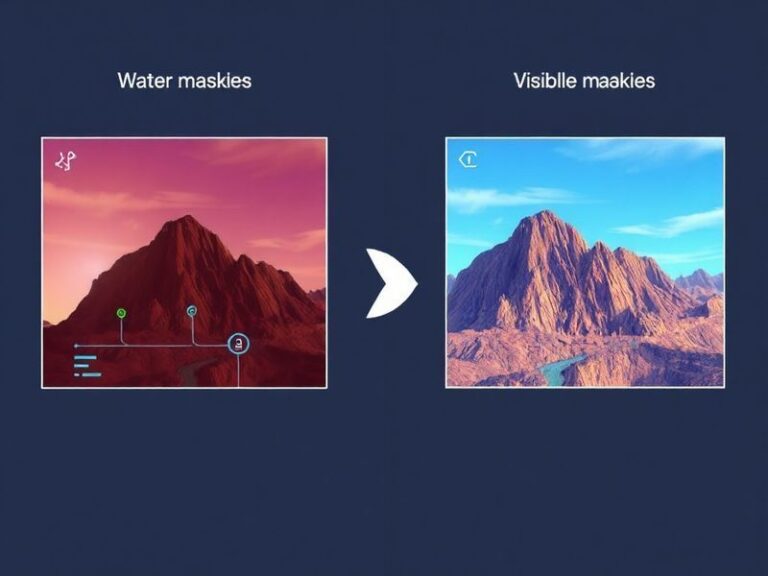
SynthID utilizes advanced machine learning algorithms to insert a digital watermark into images during the creation process. This watermark is imperceptible to the human eye yet can be detected by specialized software, allowing content creators and consumers to verify the authenticity of images. The technology not only aids in identifying AI-generated content but also provides a layer of protection against copyright infringement and misuse.
Key features of SynthID include:
- Invisible Watermarking: The watermarks are designed to be undetectable, ensuring they do not alter the aesthetic quality of the images.
- Robust Detection: AI algorithms can identify the watermark even after various modifications to the image, such as resizing or compression.
- User-Friendly Tools: Google provides tools for both creators and consumers to facilitate the watermark detection process, enhancing usability.
Practical Insights from Reverse Engineering
The reverse-engineering of SynthID has shed light on its inner workings and the challenges associated with watermark detection. Researchers and developers can now explore how the watermarking process can be optimized for greater efficacy. Here are several practical insights derived from this analysis:
- Improved Detection Algorithms: By understanding the underlying algorithms, developers can refine detection tools to identify watermarks with greater accuracy, even in images altered by generative AI.
- Enhancing Security Features: Insights from reverse-engineering can lead to the development of enhanced security features that make it increasingly difficult for malicious actors to strip watermarks from images.
- Broader Applications: The technology can be adapted for various media formats beyond images, including videos and audio, expanding its usefulness in content verification.
Industry Implications
The implications of SynthID’s technology are profound across multiple sectors. Here are some key areas where the impact will be felt:
- Media and Journalism: SynthID can play a pivotal role in combating misinformation. News organizations can utilize the technology to verify the authenticity of images used in reporting.
- Advertising and Marketing: Brands can protect their visual assets and ensure that their promotional materials are not misused or altered without permission.
- Education and Research: Academic institutions can leverage SynthID to validate the authenticity of images used in scholarly articles, thereby maintaining integrity in research.
Future Possibilities
As AI technologies continue to evolve, the future of watermarking and content authenticity appears promising. Here are some future possibilities that could emerge from the advancements in SynthID technology:
- Integration with Blockchain: Combining watermarking with blockchain could create a tamper-proof system for verifying digital content, ensuring traceability and ownership.
- Expansion to AI-Generated Text: Future iterations of the technology could incorporate watermarking for text, helping to verify the authenticity of written content as AI-generated writing becomes more prevalent.
- Global Standards for Content Authenticity: The establishment of global standards for digital watermarking could lead to widespread adoption across industries, making it easier to manage and verify digital content.
Conclusion
The reverse-engineering of Google’s SynthID watermark technology represents a significant breakthrough in the quest for content authenticity in an age dominated by AI-generated media. As the line between real and synthetic content blurs, tools like SynthID will become essential in maintaining trust and integrity across various sectors. By enhancing the ability to detect invisible watermarks, this technology not only protects creators but also empowers consumers to discern authenticity in the digital landscape. The journey towards a more secure and trustworthy digital environment is just beginning, and the possibilities are as vast as the technology itself.