
Hollywood’s Battle Against AI-Generated Content
As artificial intelligence continues to evolve, its capabilities in producing creative content are advancing at an unprecedented rate. The film industry, a cornerstone of entertainment and culture, is now grappling with the challenges posed by AI-generated content. This phenomenon raises significant questions regarding copyright enforcement, originality, and the future landscape of film production.
The Rise of AI Video Models
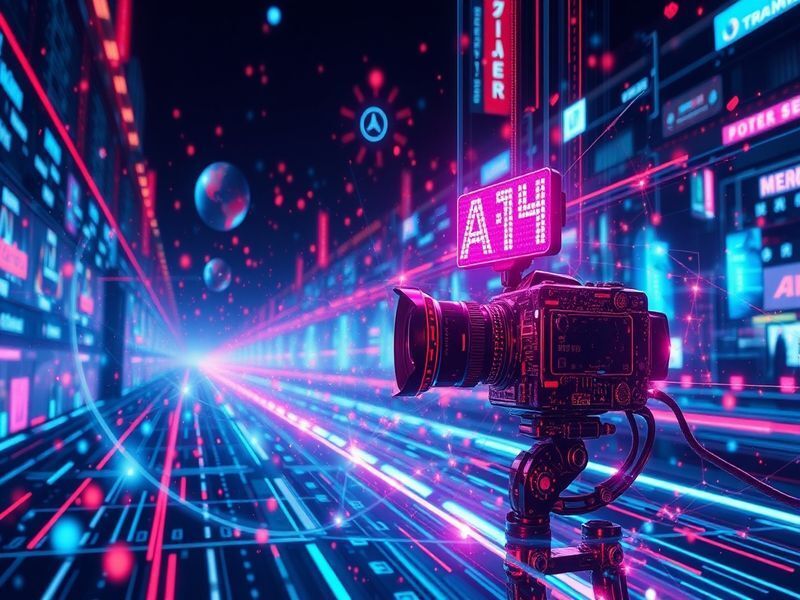
Recent developments in AI technology have led to the creation of sophisticated tools capable of generating high-quality video content. These AI video models utilize deep learning techniques to analyze existing films, scripts, and visual styles, enabling them to produce new content that closely mimics the characteristics of human-created films.
- Generative Adversarial Networks (GANs): A popular method for creating lifelike images and videos, GANs consist of two neural networks contesting with each other to produce increasingly realistic outputs.
- Natural Language Processing (NLP): This technology helps AI understand and generate scripts, dialogue, and narratives, facilitating the creation of coherent storylines.
- Transfer Learning: AI models can leverage pre-trained data from existing films to enhance their performance in generating new content.
Implications for Copyright Enforcement
The ability of AI to produce content that resembles human-created works has significant implications for copyright laws. Traditionally, copyright protects original works of authorship, which raises questions about ownership when content is generated by machines. Some of the key challenges include:
- Attribution Issues: Determining who owns the copyright of AI-generated content can be complex. If an AI model produces a film, is it the creator of the AI, the user who prompted it, or the AI itself that holds the rights?
- Infringement Risks: AI systems trained on existing films may inadvertently replicate copyrighted material. This raises concerns for studios about potential legal repercussions.
- Policy and Regulation: Current copyright laws may not adequately address the nuances of AI-generated content, leading to calls for new regulations to protect both creators and AI developers.
The Industry Response
In response to these challenges, Hollywood has begun to adapt its strategies to navigate the complexities of AI-generated content. Some notable responses include:
- Collaborative Efforts: Film studios are increasingly collaborating with AI developers to create ethical guidelines and frameworks that govern the use of AI in filmmaking.
- Legal Initiatives: Some organizations are pushing for legislative changes that clarify the status of AI-generated works within existing copyright frameworks.
- Creative Integration: Many filmmakers are embracing AI as a tool rather than a threat, using it for tasks such as scriptwriting, editing, and visual effects to enhance traditional filmmaking processes.
Future Possibilities
The future of AI in Hollywood presents both exciting opportunities and daunting challenges. As technology continues to advance, the potential for AI to reshape the film industry is immense:
- Enhanced Creativity: AI could serve as a collaborative partner for filmmakers, providing innovative ideas and assisting in the creative process.
- New Genres and Formats: The emergence of AI-generated content may lead to entirely new genres of film that blend human creativity with machine-generated narratives.
- Personalized Viewing Experiences: AI could tailor films to individual preferences, creating a more immersive and engaging viewer experience.
However, the industry must also address the ethical implications of AI-generated content. Questions surrounding authenticity, the value of human creativity, and the potential for misuse of AI technology remain pressing issues that Hollywood will need to confront as it moves forward.
Conclusion
Hollywood’s battle against AI-generated content is a reflection of broader challenges facing industries as technology evolves. While AI offers unprecedented opportunities for innovation, it also requires careful consideration of copyright laws, ethical implications, and the future of creative expression. As the film industry navigates this new terrain, it is crucial to foster a dialogue between technologists and creatives, ensuring that the benefits of AI can be harnessed while protecting the rights and contributions of human creators.