
Hollywood’s Battle Against AI Video Generation: Navigating Copyright Disputes and Legal Challenges
As artificial intelligence (AI) continues to revolutionize various industries, the film industry finds itself in a complex tug-of-war regarding the role of AI-generated video content. The rapid advancement of AI technologies has opened up new avenues for creativity in filmmaking but has also ignited a storm of copyright disputes and legal challenges. This article delves into the implications of AI in Hollywood, examining the legal landscape, practical insights for industry stakeholders, and future possibilities.
The Rise of AI-Generated Video Content
AI-generated video content has made remarkable strides in recent years, thanks to breakthroughs in machine learning and computer vision. Tools such as deep learning algorithms and generative adversarial networks (GANs) are enabling creators to produce high-quality videos with minimal human intervention. Some notable developments include:
- Automated Script Writing: AI tools can now generate scripts based on specified parameters, allowing for rapid content creation.
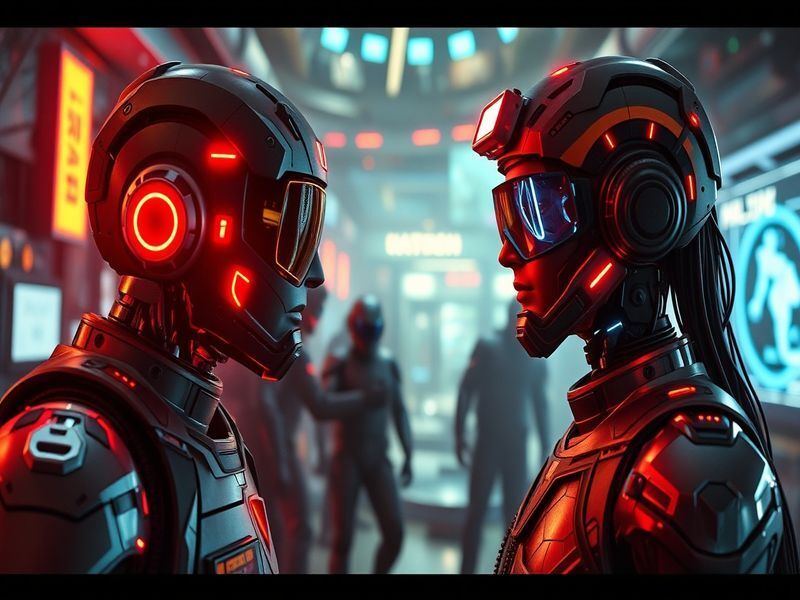
- Virtual Actors: AI-generated characters can be used in films, replacing the need for human actors, which raises questions about performance rights and likeness.
- Editing and Post-Production: AI systems can assist in the editing process, suggesting cuts and sequences that enhance narrative flow.
The Legal Landscape: Copyright and Ownership Issues
As the use of AI in video generation becomes more prevalent, so too do the legal challenges associated with copyright and ownership. The primary issues revolve around:
- Authorship Attribution: Determining who owns the copyright of AI-generated content is a major hurdle. Is it the developer of the AI, the user who inputted the parameters, or the AI itself?
- Derivative Works: AI systems often learn from existing works, creating the potential for derivative content that may infringe on original copyrights.
- Performance Rights: The use of AI-generated characters raises concerns about whether these entities require the same rights and protections as human actors.
In recent cases, filmmakers have taken legal action against AI companies for the unauthorized use of their works, leading to significant discussions about the future of content ownership.
Practical Insights for Industry Stakeholders
As Hollywood grapples with these emerging challenges, industry stakeholders must consider several practical insights:
- Develop Clear Guidelines: The industry should create comprehensive guidelines for the use of AI in video generation, addressing copyright, ownership, and performance rights.
- Engage in Dialogue: Stakeholders, including film studios, AI developers, and legal experts, need to engage in open dialogues to foster mutual understanding and collaboration.
- Invest in AI Literacy: Filmmakers and industry professionals should educate themselves about AI technologies and their implications to make informed decisions.
The Future of AI in Hollywood
The future of AI-generated video content in Hollywood holds both promise and uncertainty. As technology continues to evolve, several possibilities may shape the industry:
- Enhanced Collaboration: AI can serve as a collaborative tool for filmmakers, enhancing creativity rather than replacing it.
- New Revenue Streams: The potential for AI-generated content could open new business models, such as licensing AI-generated characters for various media.
- Regulatory Frameworks: Governments and industry bodies may introduce regulations that balance innovation with the protection of intellectual property.
As the landscape of AI in video generation continues to transform, it is crucial for Hollywood to adapt and establish frameworks that protect creators while embracing innovation.
Conclusion
The battle against AI-generated video content in Hollywood is not simply about protecting intellectual property; it’s about recognizing the potential for innovation. As filmmakers navigate the complex legal landscape, they must also embrace the opportunities that AI presents. Through collaboration, dialogue, and education, the film industry can harness these technologies to create compelling narratives while safeguarding the rights of creators.