
Honor’s Humanoid Robot Dances at MWC: A Showcase of AI and Robotics Advancements
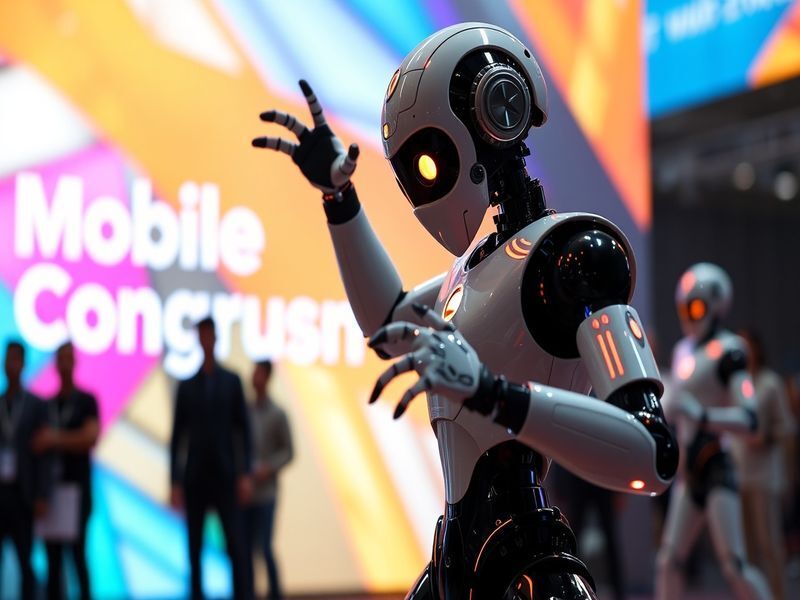
At the recent Mobile World Congress (MWC), technology enthusiasts and industry professionals were treated to a captivating performance by a humanoid robot developed by Honor. This event highlighted significant advancements in robotics and artificial intelligence (AI), showcasing how these technologies can interact seamlessly with humans in engaging and entertaining ways. In this article, we explore the implications of this demonstration, the technology behind it, and the future possibilities of humanoid robots in various sectors.
The Rise of Humanoid Robots
Humanoid robots have come a long way since their inception. They are designed to mimic human movements and behaviors, making them ideal candidates for tasks that require a human-like touch. The recent demonstration at MWC is a testament to the rapid progress made in this field. Here are some key aspects of the advancements:
- Improved Mobility: Modern humanoid robots feature advanced algorithms and actuators that allow for fluid movement and agility, enabling them to perform complex dance routines.
- Enhanced AI Interaction: AI technologies such as machine learning and natural language processing have been integrated into humanoid robots, allowing them to interact more naturally and effectively with humans.
- Real-time Adaptation: These robots can adapt their movements and responses in real-time based on environmental cues and audience reactions, making their performances more engaging.
Industry Implications
The implications of such advancements in humanoid robotics are vast and varied. Companies across multiple sectors are beginning to explore how they can integrate these technologies into their operations. Here are some notable areas where humanoid robots could play a significant role:
- Healthcare: Humanoid robots can assist healthcare professionals in providing care to patients, offering companionship and performing basic tasks, thus improving patient outcomes and reducing the workload on human staff.
- Retail: Retailers can utilize humanoid robots for customer service, guiding shoppers, and providing information about products, enhancing the shopping experience.
- Entertainment: The entertainment industry can leverage humanoid robots for performances, events, and theme parks, creating unique experiences that blend technology and creativity.
Technological Innovations Behind the Dance
The impressive dance performance at MWC was made possible by several technological innovations. The integration of AI-driven systems enables these robots to process information and make decisions in real-time. Key technologies include:
- Computer Vision: This technology allows robots to perceive their surroundings, recognize objects, and understand spatial relationships, enabling them to navigate and interact with their environment effectively.
- Machine Learning Algorithms: These algorithms help robots learn from their experiences, improving their performance over time and allowing them to adapt to new tasks and conditions.
- Advanced Sensors: Sensors provide feedback about the robot’s movements, enhancing balance and coordination, which is essential for performing complex dance routines.
Future Possibilities
The debut of Honor’s humanoid robot at MWC marks just the beginning of what is possible in the realm of robotics and AI. As technology continues to evolve, the future holds exciting possibilities:
- Increased Integration: We can expect to see humanoid robots seamlessly integrated into everyday life, from homes to workplaces, enhancing productivity and quality of life.
- Personalized Experiences: With advancements in AI, humanoid robots could offer personalized interactions, tailoring their responses and actions to individual users based on their preferences and behaviors.
- Collaboration with Humans: Future humanoid robots may work alongside humans in various fields, combining the cognitive abilities of AI with human creativity and empathy to tackle complex challenges.
Conclusion
Honor’s humanoid robot performance at MWC is a clear indication of the remarkable strides being made in robotics and artificial intelligence. As these technologies continue to mature, their potential applications will expand, reshaping industries and enhancing our daily lives. The evolution of humanoid robots is not just a technological triumph but also a glimpse into a future where humans and machines collaborate more closely than ever before.