
Humanoid Robots Showcase Kung Fu Skills in Synchronized Performance
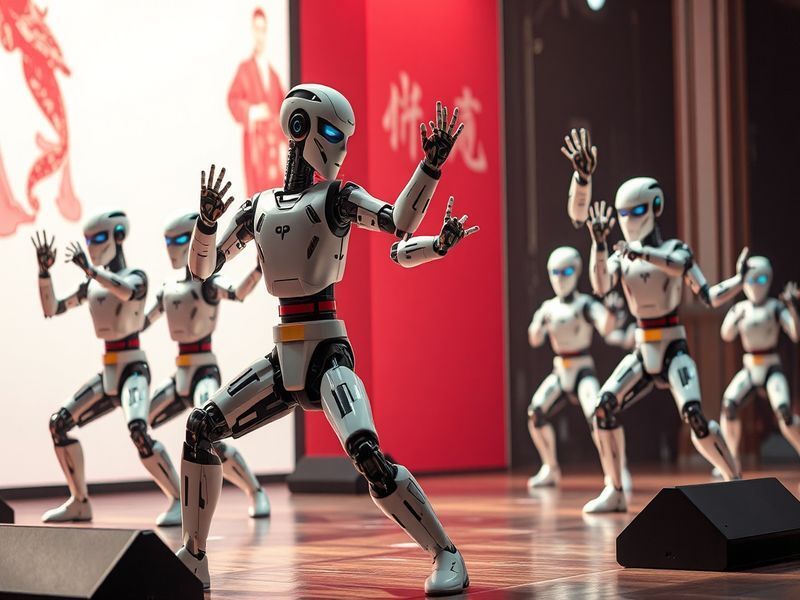
In a remarkable display of technological innovation, humanoid robots have recently demonstrated their ability to perform complex Kung Fu routines autonomously. This extraordinary event not only showcases the advanced capabilities of robotics but also highlights the evolving landscape of artificial intelligence (AI) and machine learning (ML). As these robots move with precision and grace, they challenge our understanding of what machines can achieve, raising questions about the future of human-robot collaboration.
The Rise of Humanoid Robots
Humanoid robots have gained significant attention in recent years due to advancements in AI, robotics, and sensor technology. Designed to mimic human movements and behaviors, these robots are equipped with sophisticated algorithms that allow them to learn from their environment and improve their performance over time. The recent Kung Fu demonstration is a testament to these advancements, as the robots executed a series of complex movements, demonstrating both agility and coordination.
Technology Behind the Performance
The synchronization of the robots during the Kung Fu performance is a result of several cutting-edge technologies:
- Machine Learning Algorithms: These algorithms enable robots to learn from data, adapting their movements based on previous performances. This is crucial for achieving the precision required in martial arts.
- Real-Time Motion Tracking: Advanced sensors and cameras allow for real-time tracking of the robots’ movements, ensuring they remain in sync with each other throughout the performance.
- AI-Driven Control Systems: These systems manage the robots’ movements, allowing for smooth transitions and complex choreography, essential for performing intricate martial arts routines.
Practical Insights into the Performance
The Kung Fu showcase is not just a display of entertainment; it provides valuable insights into the practical applications of humanoid robots:
- Training Tools: Humanoid robots can serve as training partners for martial arts practitioners, providing a safe and consistent way to practice techniques.
- Entertainment Industry: The potential for humanoid robots in films and stage performances could revolutionize the entertainment industry, creating more dynamic and engaging experiences.
- Increased Efficiency in Workplaces: As robots become more adept at performing complex tasks, they can be integrated into various industries, enhancing productivity and efficiency.
Industry Implications
The implications of humanoid robots performing such advanced routines extend across various sectors:
- Healthcare: Robots could assist in rehabilitation therapies, providing patients with consistent support and guidance during physical recovery.
- Manufacturing: The precision and reliability of humanoid robots can streamline production processes, reducing human error and improving quality control.
- Education: In educational settings, humanoid robots can serve as tutors or assistants, engaging students in interactive learning experiences.
Future Possibilities
As technology continues to advance, the future of humanoid robots appears promising. Here are some possibilities we might see in the coming years:
- Enhanced Autonomy: Future iterations of humanoid robots may possess even greater autonomy, allowing them to perform tasks without human intervention.
- Emotional Intelligence: Integrating emotional AI could enable robots to understand and respond to human emotions, making them more effective companions and helpers.
- Collaborative Robotics: Humanoid robots may work alongside humans in various fields, enhancing collaboration and creating new opportunities for innovation.
Conclusion
The recent Kung Fu performance by humanoid robots serves as a fascinating glimpse into the future of robotics and AI. As these machines become more capable of performing complex tasks autonomously, society must consider the implications of their integration into everyday life. From enhancing productivity in industries to providing companionship, the possibilities are endless. As we move forward, the collaboration between humans and robots could redefine the boundaries of what is possible, paving the way for a new era of innovation.