
Interactive Learning with ChatGPT: Engaging Visuals for Math and Science
As technology continues to permeate every aspect of our lives, the field of education is undergoing a significant transformation. One of the most exciting developments in recent years has been the integration of artificial intelligence, particularly through platforms like ChatGPT. This advanced AI model is not only capable of conversing with students but has also introduced interactive diagrams that are revolutionizing the way we learn math and science. In this article, we will explore how these new features are enhancing educational experiences, the implications for the industry, and the future possibilities that lie ahead.
The Power of Interactive Diagrams
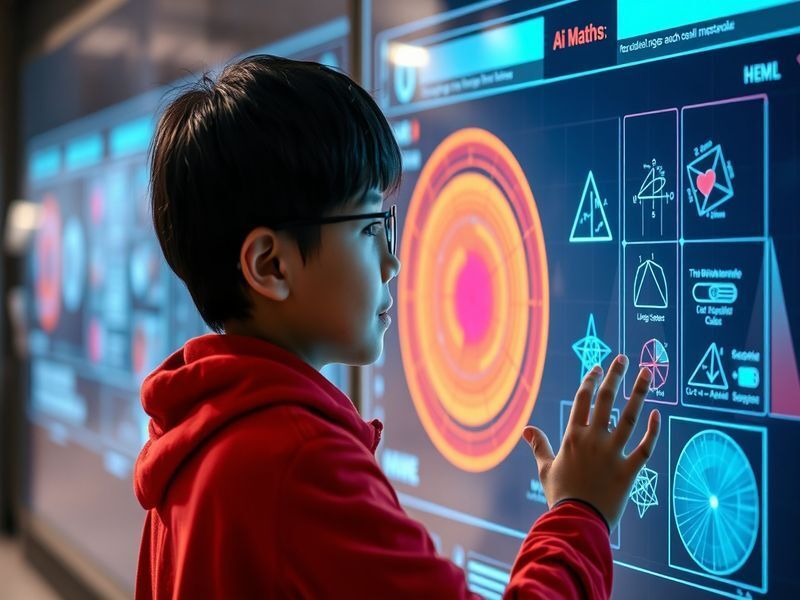
Traditionally, learning complex concepts in math and science has been a challenge for many students. Textbook explanations often fall short of providing the clarity needed to grasp intricate ideas. However, with the advent of interactive diagrams in ChatGPT, learners can now visualize concepts in a more engaging and intuitive manner. Here’s how:
- Dynamic Visualization: Interactive diagrams allow students to manipulate variables and observe outcomes in real-time. For example, changing the angle of a projectile in a physics simulation helps illustrate the principles of motion effectively.
- Enhanced Engagement: Students are more likely to stay focused and involved when they can interact with the content. This active participation leads to deeper understanding and retention of information.
- Immediate Feedback: ChatGPT can provide instant feedback on student actions within these diagrams, allowing learners to correct misconceptions and reinforce their understanding as they explore.
Practical Insights into Implementation
Integrating interactive learning tools like ChatGPT into educational settings requires thoughtful implementation. Here are some practical insights for educators and institutions looking to leverage this technology:
- Curriculum Integration: Educators should identify key areas in their curriculum where interactive diagrams can be most beneficial, such as complex equations in mathematics or dynamic systems in science.
- Training and Support: Teachers need adequate training to effectively utilize these tools. Offering workshops and resources can empower educators to incorporate AI-driven tools into their teaching methods.
- Assessment and Adaptation: Regular assessments can help evaluate the effectiveness of these interactive tools. Feedback from students can guide adaptations to ensure the technology meets learning objectives.
Industry Implications
The rise of interactive learning tools powered by AI carries significant implications for the educational industry:
- Personalized Learning: With the ability to tailor experiences to individual learning styles, institutions can shift towards more personalized educational models that cater to diverse student needs.
- Increased Accessibility: Technology can bridge gaps in access to quality education, particularly in remote or underserved areas. Interactive diagrams can be made available to students regardless of location.
- Collaborative Learning Environments: AI tools can foster collaborative learning by allowing students to work together on interactive diagrams, enhancing teamwork and communication skills.
Future Possibilities
The future of interactive learning with AI, particularly through platforms like ChatGPT, holds exciting possibilities:
- Integration with Augmented Reality (AR): Combining interactive diagrams with AR technology could provide students with immersive experiences, allowing them to explore concepts in three-dimensional space.
- Data-Driven Insights: As more students engage with these tools, AI can analyze usage patterns to provide insights into learning behaviors, helping educators refine their approaches.
- Global Learning Communities: AI-powered platforms can connect learners around the world, creating global classrooms where students can collaborate and share knowledge across borders.
Conclusion
Interactive learning with ChatGPT is not just a trend; it is a paradigm shift in education that harnesses the power of AI to enhance understanding in math and science. By enabling dynamic visualizations, providing immediate feedback, and fostering engagement, these tools are transforming the educational landscape. As we look to the future, the potential for integrating advanced technologies like augmented reality and data analytics promises to open new frontiers in learning, making education more accessible, personalized, and collaborative than ever before.