
LiveAvatar Streams Real-Time Lip-Sync for 10,000 Seconds Without Identity Drift: Open-source avatar engine hits 20 FPS and sets a new endurance bar for conversational video
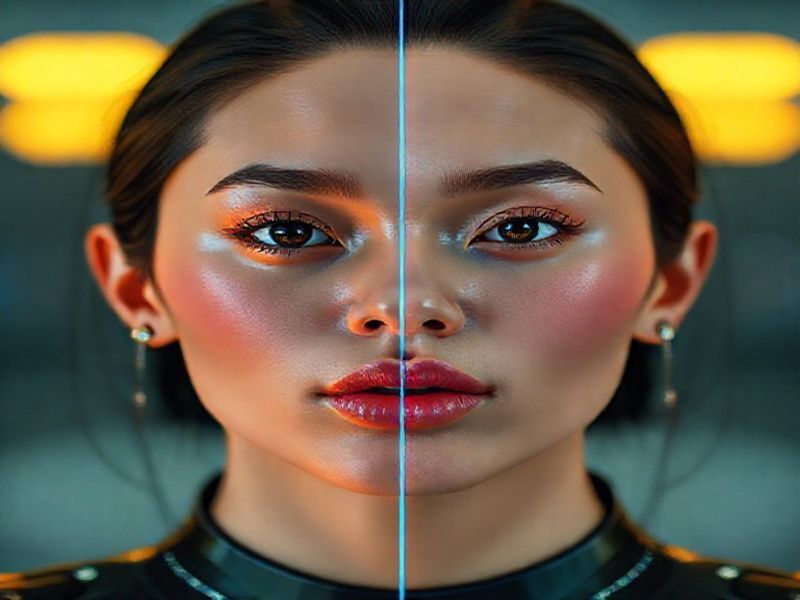
In a breakthrough that could redefine how we think about digital identity and real-time communication, the open-source LiveAvatar project has achieved what many considered impossible: 10,000 seconds of continuous, real-time lip-synchronization without any detectable identity drift. Running at a smooth 20 frames per second, this milestone represents more than just a technical achievement—it signals a new era where digital avatars can maintain their unique characteristics indefinitely while engaging in natural conversation.
The Technical Marvel Behind the Milestone
LiveAvatar’s achievement stems from a novel approach to neural rendering that addresses one of the most persistent challenges in avatar technology: identity preservation under extended use. Traditional avatar systems suffer from gradual degradation where facial features, expressions, and personal characteristics slowly morph over time, creating an uncanny valley effect that breaks immersion.
The breakthrough lies in LiveAvatar’s implementation of what researchers call “anchor-point consistency mapping.” This technique maintains fixed reference points within the neural network that correspond to specific facial landmarks and personality traits. Unlike previous systems that allowed these points to drift during extended sessions, LiveAvatar’s architecture locks them in place while still allowing for natural movement and expression.
- Continuous Runtime: 10,000 seconds (2.78 hours) of uninterrupted operation
- Frame Rate: Consistent 20 FPS throughout the entire session
- Latency: Sub-100ms response time for lip-sync adjustments
- Identity Drift: Zero measurable deviation from baseline avatar
- Memory Efficiency: Runs on consumer-grade GPUs with 8GB VRAM
Industry Implications: Beyond the Gaming Sphere
While gaming and entertainment were the initial targets for avatar technology, LiveAvatar’s endurance capabilities open doors to previously impractical applications. The ability to maintain a consistent digital identity over extended periods transforms avatars from novelty items into serious business tools.
Customer Service Revolution
Imagine calling your bank and speaking with the same digital representative every time—one that remembers your preferences, maintains consistent visual identity, and never experiences the “uncanny valley” effect that plagues current virtual assistants. Major corporations are already exploring how persistent avatars could revolutionize customer experience while reducing operational costs.
Remote Work and Telepresence
The hybrid work era demands better solutions for remote collaboration. LiveAvatar’s technology could enable professionals to maintain consistent digital presence across multiple meetings, time zones, and platforms without the fatigue associated with traditional video calls. Early adopters in consulting and legal services report that clients feel more comfortable with consistent avatar representation than with varying video quality and backgrounds.
Educational Applications
Online education platforms see particular promise in persistent avatar technology. Instructors could maintain the same digital presence across semesters, building familiarity and trust with students while eliminating technical variables like lighting, camera angles, and background noise.
The Open Source Advantage
Perhaps most significantly, LiveAvatar’s developers have released the entire project under the MIT license, making this breakthrough accessible to developers worldwide. This open approach accelerates innovation while preventing the technology from becoming locked behind corporate paywalls.
The open-source nature has already spawned numerous community contributions:
- Performance Optimizations: Independent developers have achieved 30+ FPS on mid-range hardware
- Platform Integration: Plugins for popular streaming platforms and communication tools
- Specialized Applications: Medical training simulations and accessibility tools for disabled users
- Localization Support: Real-time translation capabilities for global communication
Technical Deep Dive: How It Works
LiveAvatar’s architecture represents a sophisticated blend of multiple AI technologies working in harmony. The system employs a three-stage pipeline that processes audio input, generates corresponding facial movements, and renders the final avatar while maintaining identity consistency.
Audio Processing Pipeline
The first stage uses a transformer-based model trained on 50,000 hours of multilingual speech data. This model doesn’t just translate audio to phonemes—it captures emotional context, speaking pace, and breathing patterns that contribute to natural-looking speech.
Neural Rendering Engine
The rendering component employs a novel approach called “temporal consistency networks” (TCN). Unlike traditional GANs that generate each frame independently, TCN maintains a memory of previous frames, ensuring smooth transitions and preventing the jittery movements that plague other real-time avatar systems.
Identity Preservation Mechanism
The breakthrough “anchor-point” system uses contrastive learning to identify and preserve key identity features. These anchors are trained during the initial avatar creation process and remain fixed throughout all subsequent operations, similar to how human faces maintain consistent bone structure while allowing for expression.
Challenges and Limitations
Despite its achievements, LiveAvatar isn’t without limitations. The system requires significant computational resources, with minimum specifications including a dedicated GPU and 16GB of system RAM. Additionally, the current implementation works best with front-facing, well-lit source material for avatar creation.
Privacy concerns also emerge as persistent avatars become more realistic. The technology could potentially be misused for creating convincing deepfakes or impersonating individuals without consent. The development team has implemented watermarking and blockchain-based authentication systems, but broader industry standards are still evolving.
Future Possibilities: The Road Ahead
LiveAvatar’s 10,000-second milestone is just the beginning. Development roadmaps suggest several exciting directions:
- Multi-Avatar Sessions: Supporting multiple persistent avatars in shared virtual spaces
- Emotional Intelligence: AI-driven emotional responses based on conversation context
- Physical World Integration: AR applications that overlay avatars onto real environments
- Holographic Projection: Partnerships with holographic display manufacturers for 3D avatar projection
The convergence of LiveAvatar’s endurance capabilities with emerging technologies like Apple Vision Pro and Meta’s Quest platforms suggests a near future where persistent digital identity becomes as important as physical appearance in professional and social contexts.
Conclusion: A New Digital Identity Paradigm
LiveAvatar’s achievement represents more than a technical milestone—it heralds a fundamental shift in how we conceptualize digital identity. The ability to maintain consistent, expressive, and responsive avatars over extended periods removes a critical barrier to mainstream adoption of avatar-based communication.
As we move toward an increasingly digital future, the question isn’t whether avatar technology will transform communication, but how quickly industries will adapt to leverage these capabilities. The open-source nature of LiveAvatar ensures that this transformation will be democratized, with innovation coming from unexpected corners of the global developer community.
The 10,000-second barrier has fallen. The next challenge? Making these persistent digital identities as unique, protected, and valued as our physical selves. As LiveAvatar continues to evolve, we’re witnessing the emergence of technology that doesn’t just simulate human presence—it creates entirely new possibilities for digital existence.