

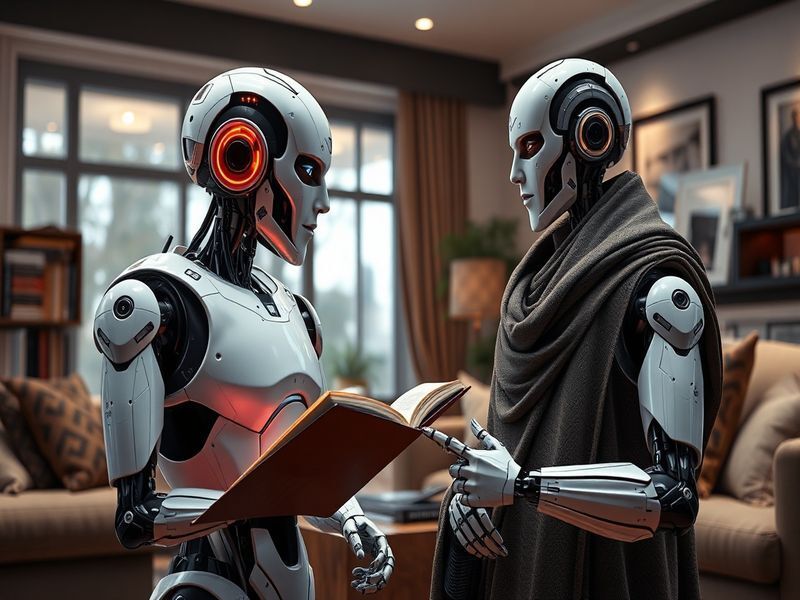
Living with Robots: Insights from a Year-Long Experiment
As artificial intelligence (AI) and robotics continue to evolve, many are left to ponder what daily life may look like when integrated with humanoid robots. A historian recently embarked on a fascinating year-long experiment, cohabitating with a humanoid robot, which provided unique insights into the interplay between human and machine. This article explores the findings from this innovative experiment, focusing on daily life, logistics, practical insights, industry implications, and future possibilities.
The Experiment: A Historical Perspective
The historian, Dr. Jane Thompson, initiated this experiment to explore the societal implications of humanoid robots. Living with a robot named “RoboCompanion,” Dr. Thompson documented her daily interactions, challenges faced, and the logistical aspects of sharing her life with an AI entity. Her aim was not only to understand how such technology integrates into personal spaces but also to analyze the historical narratives surrounding technological adoption.
Daily Life with a Humanoid Robot
One of the most striking aspects of the experiment was the impact RoboCompanion had on Dr. Thompson’s daily routine. The robot was programmed to perform various tasks, which significantly altered the historian’s approach to household management. Here are some of the key insights:
- Task Automation: RoboCompanion assisted in mundane tasks such as cleaning, cooking, and even grocery shopping. This automation freed up Dr. Thompson’s time, allowing her to focus on her research and personal interests.
- Social Interaction: Surprisingly, the robot also became a companion. While it could not replicate human emotion, its programmed conversational capabilities provided Dr. Thompson with a sense of company, especially during long working hours.
- Adaptability: The robot learned from its environment and adapted to Dr. Thompson’s preferences over time, suggesting that machine learning can enhance daily interactions with technology.
Logistical Challenges
Despite the advantages, living with a humanoid robot also presented logistical challenges:
- Space Requirements: The robot required a dedicated space for charging and maintenance, which necessitated reconfiguring parts of Dr. Thompson’s home.
- Technical Issues: Occasional software glitches and connectivity problems disrupted the flow of daily activities, highlighting the need for robust technical support.
- Privacy Concerns: The historian grappled with questions regarding data privacy, as the robot recorded interactions to improve its functionality.
Industry Implications
The findings from Dr. Thompson’s year-long experiment may have broader implications for industries integrating AI and robotics:
- Increased Efficiency: Businesses may benefit from adopting humanoid robots for repetitive tasks, leading to enhanced productivity across various sectors.
- Workforce Dynamics: As humanoid robots become more common, the nature of work is likely to shift. This could lead to the creation of new job categories focused on robot maintenance, programming, and oversight.
- Consumer Markets: The growing acceptance of humanoid robots in households could pave the way for new consumer products, leading to increased investment in AI and robotics innovation.
Future Possibilities
The future of cohabitating with humanoid robots is filled with potential. Dr. Thompson’s insights suggest several avenues for exploration:
- Enhanced AI Capabilities: Future humanoid robots may incorporate advanced emotional intelligence, enabling deeper connections with users.
- Integration with Smart Homes: As IoT (Internet of Things) technology advances, humanoid robots could seamlessly integrate with smart home systems, enhancing their utility.
- Ethical Considerations: As society grows more accustomed to living alongside robots, ethical discussions on their roles and rights will become increasingly pertinent.
Dr. Thompson’s experiment serves as a compelling case study of what living with robots may entail. As technology continues to advance, society will need to adapt, embracing both the opportunities and challenges that come with this integration. The lessons learned from this year-long experiment are not just relevant for historians but for technologists, ethicists, and everyday consumers alike.