
Luma’s Creative AI Agents: The Future of Content Creation
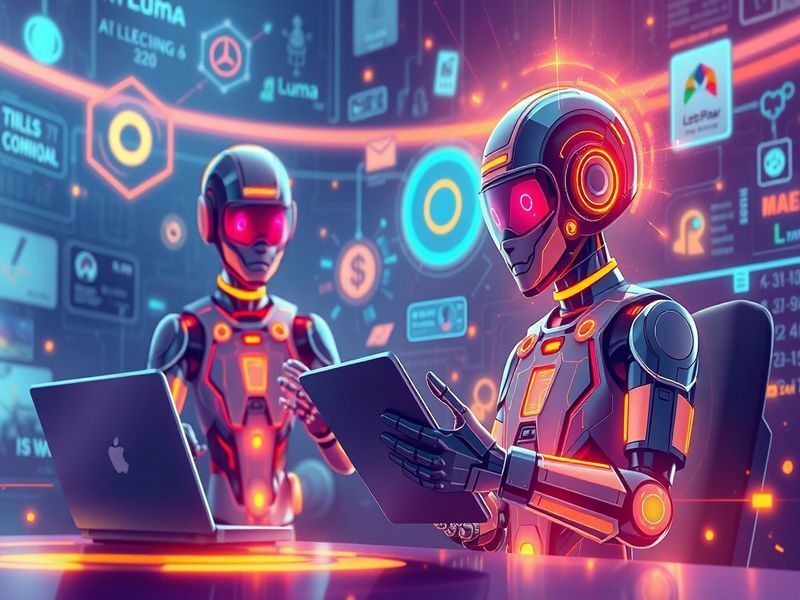
As the digital landscape continues to evolve, the advent of artificial intelligence (AI) has drastically transformed the way content is created and consumed. One of the most remarkable innovations in this domain is Luma’s Creative AI Agents, which are reshaping the future of content creation by integrating cutting-edge technology with artistic expression. These AI agents are designed to handle end-to-end creative work across multiple media, providing unprecedented opportunities for creators and businesses alike.
Understanding Luma’s Creative AI Agents
Luma’s Creative AI Agents are sophisticated algorithms that utilize machine learning techniques to generate, curate, and enhance various forms of content. From writing articles and creating graphics to producing videos and music, these AI agents can manage the entire creative process. The core functionalities of Luma’s agents include:
- Content Generation: Automating the creation of written and visual content tailored to specific themes or audiences.
- Personalization: Leveraging data analytics to customize content based on user preferences and behaviors.
- Collaboration: Working alongside human creators to enhance their creative output while reducing time and effort.
- Feedback and Optimization: Continuously learning from user interactions to improve content relevance and engagement.
The Technology Behind Luma’s AI Agents
At the heart of Luma’s Creative AI Agents lies a combination of advanced technologies:
- Natural Language Processing (NLP): This enables the AI to understand and generate human-like text, making it possible to produce written content that resonates with audiences.
- Machine Learning: By employing algorithms that learn from vast datasets, these agents can predict and adapt to trends in content consumption.
- Computer Vision: This allows the AI to analyze and create compelling visuals, ensuring that the graphics align with the intended message.
- Generative Adversarial Networks (GANs): Used for creating high-quality images or videos, GANs allow the AI to produce original content that appears authentic.
Practical Insights into Luma’s Impact on Content Creation
The implications of Luma’s Creative AI Agents are far-reaching, influencing various sectors including marketing, entertainment, education, and journalism. Here are some practical insights into how these AI agents are changing the landscape:
- Enhanced Efficiency: By automating routine tasks, Luma’s agents allow creators to focus on more strategic aspects of their work, thus increasing productivity.
- Cost Reduction: Businesses can save on labor costs related to content creation, as AI can handle multiple tasks simultaneously at a fraction of the cost.
- Consistency and Quality: AI agents maintain a high standard of quality in content production, ensuring that businesses uphold their brand voice across various media.
- Scalability: The ability to generate content at scale enables companies to meet increasing consumer demands without compromising quality.
Industry Implications
The introduction of Luma’s Creative AI Agents signals a shift in the content creation paradigm. Several implications arise from this transition:
- Job Transformation: While AI may replace some routine jobs, it also creates new opportunities for roles centered around AI management, oversight, and strategy.
- Content Authenticity: The challenge of distinguishing between human-created and AI-generated content raises questions about authenticity and trust in media.
- Regulatory Considerations: As AI-generated content becomes ubiquitous, regulatory frameworks will need to evolve to address copyright issues and ethical considerations.
Future Possibilities
Looking ahead, the future of content creation with Luma’s Creative AI Agents seems promising. Here are some possibilities to consider:
- Hyper-Personalization: As AI continues to evolve, the ability to create highly tailored content for individual users will redefine marketing strategies.
- Seamless Integration: Future AI agents may integrate more deeply with existing creative tools, providing a more cohesive creative workflow.
- Collaborative AI: We may see more AI systems that collaborate not just with humans but also with other AI agents to create multi-layered content.
- Emotional Intelligence: The development of AI with emotional intelligence could lead to more empathetic content that resonates deeply with audiences.
In conclusion, Luma’s Creative AI Agents represent a significant leap forward in the world of content creation. By automating various aspects of creative work, these AI agents provide immense benefits in efficiency, cost savings, and scalability. However, as the technology continues to evolve, it is crucial for industry stakeholders to navigate the challenges and implications that arise, ensuring a responsible and innovative future in content production.