
Meta Patents AI for Digital Afterlife: Exploring the Implications of an AI that Maintains Social Media Accounts Posthumously
The ascent of artificial intelligence (AI) continues to redefine various aspects of our lives, and recent developments from Meta (formerly Facebook) are pushing the boundaries into uncharted territories. The company has filed a patent for an AI system that would allow individuals to maintain their social media presence posthumously. This concept, often referred to as a “digital afterlife,” raises profound ethical questions and technological implications that merit thorough exploration.
Understanding the Digital Afterlife Concept
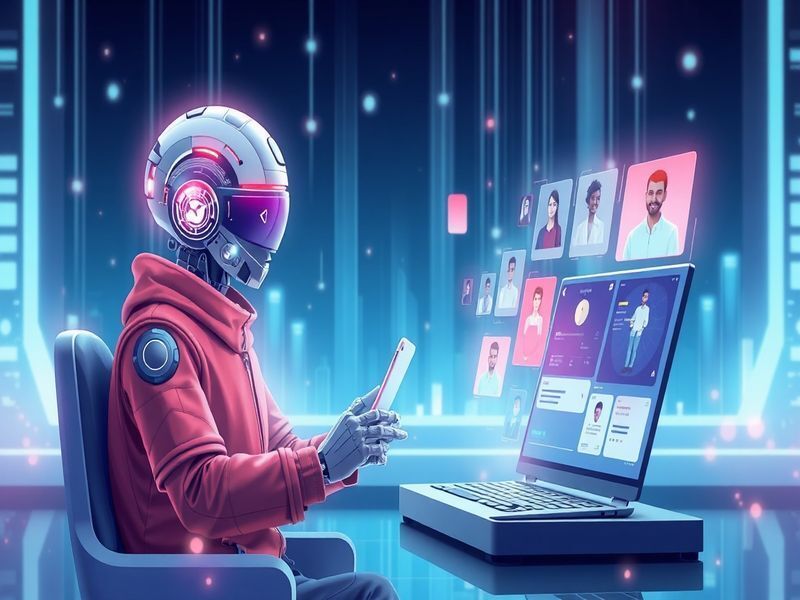
The idea of a digital afterlife is not new; however, Meta’s patent introduces a more structured approach to how AI could play a pivotal role in this domain. Essentially, the proposed system would utilize machine learning algorithms to analyze a person’s social media interactions, preferences, and personality traits. This information would then be used to generate content that appears to be authored by the deceased individual.
How the AI System Would Work
According to the patent documentation, the AI would undertake several key functions:
- Data Collection: The AI would scan through a person’s social media history to gather insights into their language, tone, and engagement patterns.
- Content Generation: Using natural language processing (NLP) techniques, the AI could draft posts, comments, or messages that mimic the deceased individual’s voice and style.
- Interaction Management: The AI could respond to comments or messages from friends and family, creating an illusion of continued presence and interaction.
Practical Insights
While the technology is fascinating, it poses several practical considerations:
User Consent and Ethical Considerations
One of the most significant concerns surrounding this technology is consent. Would individuals want their online presence maintained after death? How would families navigate the decision-making process? Ethical frameworks will need to be established to ensure that individuals can opt-in or opt-out of such services before their passing.
Emotional Impact on Loved Ones
The psychological ramifications of interacting with a deceased loved one’s digital persona could be profound. For some, it may provide comfort, but for others, it could hinder the grieving process. Understanding these emotional dynamics will be crucial as the technology advances.
Legal and Privacy Implications
The implementation of this AI system also raises legal questions. Who owns the data after a person dies? How do we ensure that the digital identity is not misused or manipulated? These issues will likely require new legislation to protect both the deceased and their families.
Industry Implications
The introduction of AI for managing posthumous social media accounts could have far-reaching implications across various sectors:
Social Media Platforms
Social media companies may need to re-evaluate their policies regarding data retention and user privacy. New protocols might emerge to govern how the digital identities of deceased users are managed, potentially leading to a shift in user engagement strategies.
Funeral Services and Legacy Planning
The funeral industry may also see a transformation as families seek to create digital legacies for their loved ones. This could open avenues for new businesses focused on digital afterlife management, including services that help families curate and manage the online presence of the deceased.
Technology Providers
Companies specializing in AI and machine learning may find new opportunities in developing tools and systems that facilitate digital afterlife management. This could lead to collaborations between tech firms and social media platforms to create comprehensive solutions.
Future Possibilities
As we look to the future, the potential applications of this technology could expand even further:
Enhanced User Experience
Imagine an AI that not only maintains a social media presence but also curates memories through photos, videos, and messages, creating a rich tapestry of a person’s life that can be shared with family and friends. This could foster a sense of connection and remembrance long after a person has passed.
Personalized Grief Support
Moreover, AI could offer personalized grief support by analyzing interactions and providing insights or messages designed to help loved ones cope with their loss. This could be a new frontier in bereavement support, tailored to individual needs.
Ethical AI Development
Advancements in this space will necessitate robust discussions about the ethical implications of creating AI entities that simulate human behavior. As developers work on these technologies, they will need to prioritize ethical considerations, ensuring that respect for human life and dignity remains at the forefront.
Conclusion
Meta’s patent for an AI that maintains social media accounts posthumously opens up a fascinating yet complex dialogue about the intersection of technology, ethics, and human experience. While the technology holds the promise of providing continuity in digital presence, it also invites critical examination of the implications on privacy, consent, and emotional well-being. As we navigate these uncharted waters, it will be essential for technologists, ethicists, and society at large to engage in meaningful discussions about the future of our digital selves.