

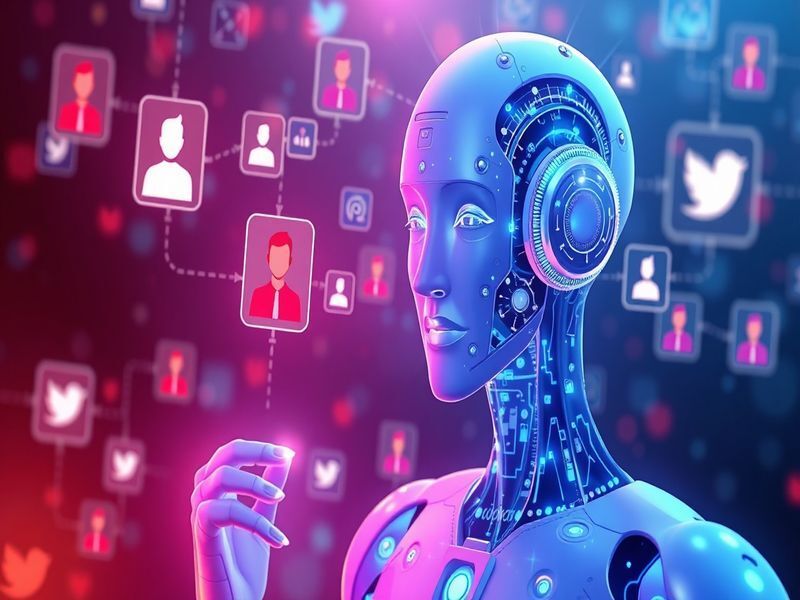
Meta Patents AI for Posthumous Social Media Engagement: Ethical Implications and Potential Uses
In an age where digital footprints are nearly indelible, the concept of posthumous social media engagement is gaining traction. Meta, the parent company of Facebook, has recently patented a technology that utilizes artificial intelligence (AI) to continue posting on behalf of deceased users. This innovation raises profound ethical questions and offers intriguing possibilities for how we interact with the memory of loved ones online.
Understanding the Technology
The core idea behind Meta’s patent is to create an AI system that can analyze a deceased user’s past social media activity, including their posts, comments, and interactions. The AI would use this data to generate new content that aligns with the deceased individual’s voice and preferences.
- Content Generation: The AI could produce posts that reflect the user’s personality, interests, and style of communication.
- Engagement Management: It could also interact with friends and family members, responding to comments or messages in a manner consistent with the deceased’s past behavior.
- Memory Preservation: The technology aims to keep the memory of the user alive, allowing their digital presence to linger long after they have passed away.
Ethical Implications
The prospect of an AI that posts on behalf of deceased users is not without its controversies. Several ethical considerations emerge from this technology, including:
- Consent: Would deceased users have consented to their digital presence being maintained in this way? The question of consent is complicated when dealing with those who can no longer express their wishes.
- Impact on Grieving: Posthumous engagement may affect the grieving process for loved ones. While some may find comfort in continued interaction, others might find it unsettling or even distressing.
- Identity and Authenticity: The generation of content by AI raises questions about identity. Is the content truly representative of the deceased, or is it merely an imitation based on algorithms?
Potential Uses
Despite the ethical concerns, there are potential benefits to this technology that could positively impact users and society. Here are a few potential applications:
- Legacy Management: Families could curate a digital legacy for their loved ones. This could include sharing memories, milestones, and important messages with a community.
- Social Connections: The AI could help maintain social ties, allowing friends and family to feel connected to the deceased by receiving tailored messages or updates.
- Educational Purposes: The knowledge and insights of influential figures could continue to inspire others. For instance, educators or thought leaders could have their ideas shared posthumously, continuing their impact.
Industry Implications
The introduction of AI for posthumous engagement is poised to influence several sectors:
- Social Media Platforms: Companies will need to navigate the complexities of user consent and data privacy, potentially leading to new policies and features.
- Legal Frameworks: The legal landscape regarding digital assets and posthumous rights may need to evolve to accommodate these technologies.
- Ethical Guidelines: There will be a demand for ethical standards regarding AI usage in sensitive contexts, particularly concerning how AI represents individuals who can no longer provide feedback.
Future Possibilities
As AI technology evolves, the future of posthumous social media engagement may become more advanced and nuanced. Here are some possibilities to consider:
- Enhanced Personalization: Future AI could utilize even more sophisticated machine learning algorithms to create highly personalized content that resonates more deeply with friends and family.
- Virtual Reality Integration: Imagine a VR experience where users can interact with a digital avatar of the deceased, creating a more immersive way to preserve memories.
- Community Platforms: New social networking platforms may emerge that specialize in legacy sharing, providing spaces for communities to celebrate and remember loved ones collectively.
Conclusion
The patenting of AI for posthumous social media engagement by Meta presents a fascinating intersection of technology, ethics, and human emotion. While it offers innovative ways to preserve memories and maintain connections, it also raises significant ethical questions. As society grapples with these issues, the conversation surrounding digital legacy will undoubtedly evolve, shaping how we remember and honor those we have lost.