
Microsoft Launches Three New In-House AI Models: Innovations in AI Technology
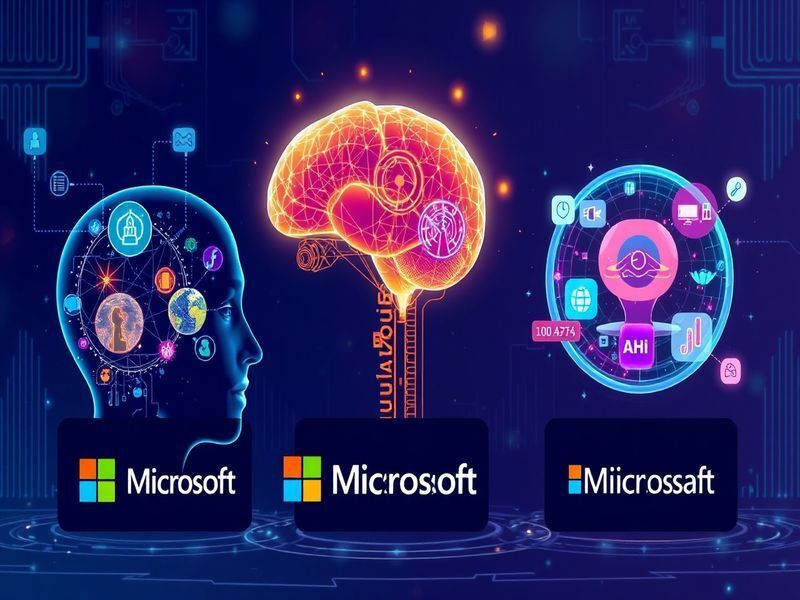
Microsoft has once again made waves in the tech industry with the launch of three new in-house AI models designed to enhance various applications across multiple sectors. These models, developed with cutting-edge technology, signify a leap forward in Microsoft’s commitment to integrating artificial intelligence into everyday solutions. This article delves into the specifics of these models, their intended applications, and the broader implications for industries and future innovations.
Overview of the New AI Models
The newly introduced AI models by Microsoft include:
- Text Generation Model: Aimed at enhancing natural language processing (NLP) capabilities.
- Image Recognition Model: Designed to improve image analysis and recognition tasks.
- Predictive Analytics Model: Specialized in forecasting and data analysis across various fields.
Each of these models harnesses the power of deep learning and neural networks, pushing the envelope on what AI can achieve in practical applications.
Practical Applications
Microsoft’s new AI models are not just theoretical advancements; they have practical applications that can revolutionize industries. Here’s how:
- Text Generation Model:
- Content Creation: This model can generate high-quality text for blogs, articles, and social media, making it invaluable for marketers and content creators.
- Customer Support: By automating responses in customer service, this model can drastically reduce response times and improve customer satisfaction.
- Image Recognition Model:
- Healthcare: This model can assist in diagnosing diseases by analyzing medical images, improving patient outcomes.
- Retail: By utilizing this model, retailers can enhance inventory management through image recognition, making inventory tracking more efficient.
- Predictive Analytics Model:
- Finance: Financial institutions can leverage this model for risk assessment and fraud detection, enhancing security measures.
- Supply Chain Management: Businesses can optimize their supply chains by predicting demand fluctuations, ensuring better resource allocation.
Industry Implications
The introduction of these AI models is poised to transform several industries:
- Healthcare: With AI-driven diagnostics and predictive analytics, patient care can become more personalized and proactive.
- Finance: Enhanced predictive analytics can lead to more accurate forecasting and risk management, ultimately stabilizing the financial markets.
- Retail: Improved customer engagement through AI-generated content can lead to higher conversion rates and customer loyalty.
Moreover, the integration of these models into existing systems can lead to significant cost savings and efficiency improvements, enabling businesses to focus on innovation rather than routine tasks.
Future Possibilities
As Microsoft continues to innovate, the future of AI technology looks promising. Here are some potential developments:
- Greater Interoperability: Future models may offer better integration capabilities with existing software solutions, streamlining workflows across platforms.
- Increased Customization: Organizations may be able to train models on their own datasets, resulting in highly specialized AI applications tailored to specific needs.
- Ethical AI Development: Microsoft’s commitment to responsible AI could lead to the development of models that prioritize transparency and fairness, addressing biases that have plagued AI technologies.
These advancements could further solidify Microsoft’s position as a leader in the AI landscape, promoting innovation that aligns with ethical standards and user needs.
Conclusion
Microsoft’s launch of three new in-house AI models marks a significant advancement in AI technology, with far-reaching implications for various industries. By focusing on practical applications, Microsoft not only enhances its own product offerings but also contributes to the broader AI ecosystem. The future possibilities of these models present exciting opportunities for businesses and consumers alike, paving the way for a smarter, more efficient world. As the technology evolves, we can expect even greater innovations that push the boundaries of what AI can achieve.