
Minecraft as a Tool for Teaching AI Concepts
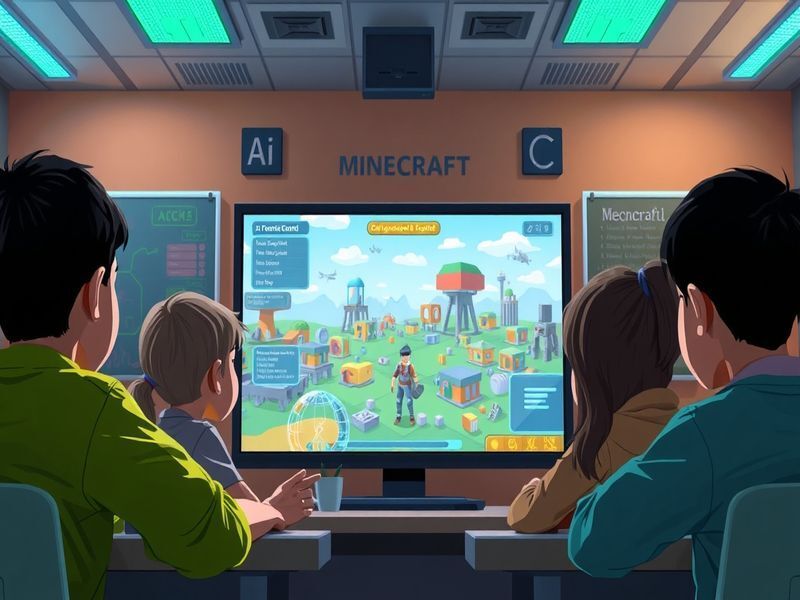
In an era where artificial intelligence (AI) is rapidly transforming industries and reshaping societal norms, the importance of understanding its foundational concepts cannot be overstated. One innovative approach to teaching these concepts is through interactive learning environments like Minecraft. This popular sandbox game not only fosters creativity but serves as an engaging platform to introduce children to the fundamentals of AI and machine learning.
The Intersection of Minecraft and AI Education
Minecraft provides a unique environment where players can experiment, create, and solve problems, paralleling the core principles of AI. Here are some key reasons why Minecraft is effective for teaching AI concepts:
- Interactive Learning: Players learn by doing, allowing them to experiment with various strategies and concepts in real-time.
- Collaborative Play: The multiplayer mode encourages teamwork, mimicking the collaborative nature of AI development in real-world scenarios.
- Creativity and Problem Solving: The open-world design fosters creativity, crucial for developing innovative AI solutions.
Practical Insights into AI Concepts
Teachers and educators can utilize Minecraft to introduce various AI concepts, such as:
- Algorithms: Children can learn about algorithms by programming in-game actions using command blocks, demonstrating how AI systems operate using predefined rules.
- Data Structures: The game can illustrate data organization through inventory management and world-building, helping children grasp how data is stored and manipulated.
- Machine Learning: By creating a simple neural network simulation within Minecraft, learners can visualize how machines learn from data through trial and error.
Industry Implications
The implications of using gaming platforms like Minecraft for AI education extend beyond the classroom:
- Workforce Development: As AI continues to grow, there is a pressing need for skilled workers in this field. Programs that incorporate Minecraft into their curriculum can help bridge the skills gap.
- Engagement with Diverse Audiences: Using a familiar platform like Minecraft can engage a broader demographic of students, including those who may not typically gravitate towards STEM subjects.
- Promotion of Ethical AI: By discussing the ethical implications of AI within the game, educators can instill a sense of responsibility in young learners as they create AI-driven solutions.
Future Possibilities
Looking ahead, the integration of Minecraft in AI education presents several exciting possibilities:
- Enhanced Learning Modules: Future iterations of Minecraft could include built-in educational modules specifically focused on AI and machine learning.
- Collaboration with Tech Companies: Partnerships between educational institutions and tech companies could lead to structured programs that leverage Minecraft for teaching AI concepts.
- Virtual Reality Integration: The incorporation of virtual reality could create even more immersive learning experiences, allowing students to visualize complex AI processes in a 3D environment.
Conclusion
Minecraft serves not only as a game but as a powerful educational tool that can demystify AI concepts for children. By providing an interactive and engaging platform, it encourages young learners to explore the fundamentals of AI, paving the way for future innovations. As educators and industry leaders continue to recognize the potential of interactive learning environments, we can expect to see more initiatives aimed at cultivating the next generation of AI professionals.
As we embrace these educational advancements, it becomes increasingly important to ensure that children not only learn how to work with AI but also understand its ethical implications and societal impact. By fostering a generation that is not just consumers of technology but creators and ethical stewards, we can harness the full potential of AI for the betterment of society.