OpenAI Tests Next-Gen Image Generation: Exploring Realistic UI Rendering and Prompt Accuracy
In the ever-evolving landscape of artificial intelligence, image generation has made remarkable strides, especially with the advancements introduced by OpenAI. The latest models focus on enhancing realism in user interface (UI) rendering and improving prompt accuracy. This article delves into the intricacies of these innovations, exploring their practical insights, industry implications, and future possibilities.
The Evolution of Image Generation Models
OpenAI has been at the forefront of AI research, consistently pushing boundaries to develop sophisticated image generation models. The latest iteration showcases significant improvements in both the realism of generated images and the accuracy in responding to user prompts. This evolution can be attributed to several key factors:
- Advanced Neural Networks: The use of more complex neural architectures allows for better feature extraction and image synthesis.
- Training on Diverse Datasets: Exposure to a wide variety of images and styles enhances the model’s ability to understand context and produce relevant outputs.
- Refined Algorithms: Techniques such as reinforcement learning from human feedback (RLHF) improve the model’s responsiveness to user inputs.
Realistic UI Rendering
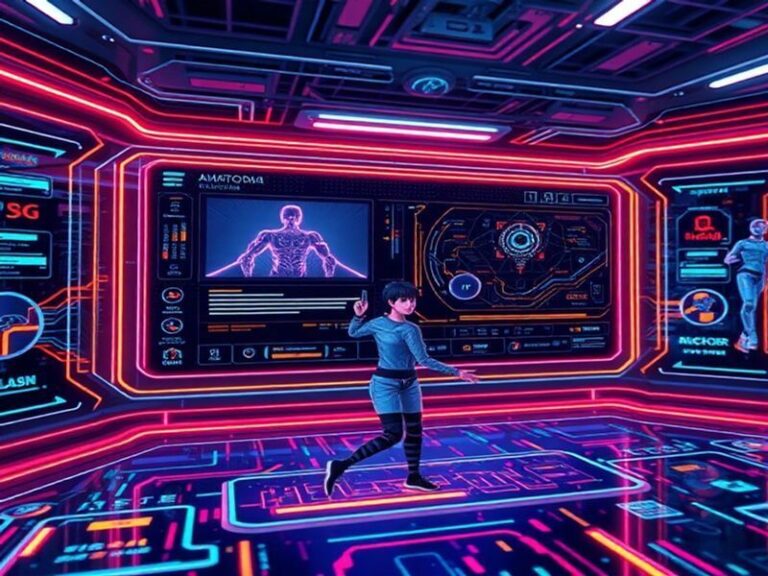
One of the standout features of OpenAI’s latest models is their capability to generate highly realistic UI designs. This aspect has profound implications for industries that rely heavily on visual design, such as:
- Web Development: Developers can generate mockups quickly, saving time and resources during the design phase.
- Gaming: Game designers can create immersive environments and interfaces that enhance player experience.
- Marketing: Advertisers can visualize campaigns and adapt UI elements to suit target demographics seamlessly.
The realistic rendering capabilities mean that the generated images are not only visually appealing but also functionally coherent. This leads to faster prototyping and iteration cycles, ultimately allowing companies to bring products to market more efficiently.
Enhancing Prompt Accuracy
Another critical area of focus for OpenAI is improving prompt accuracy. This feature allows users to achieve better results by providing more relevant outputs based on specific queries. The implications for industries are significant:
- Content Creation: Writers and marketers can generate tailored visuals that align with their content narratives, enhancing engagement.
- Education: Educators can create customized learning materials that cater to diverse student needs and learning styles.
- Healthcare: Medical professionals can visualize complex data sets, aiding in better decision-making and patient care.
By refining how models interpret prompts, OpenAI is paving the way for more intuitive interactions between humans and machines. This level of accuracy can lead to a significant reduction in the time spent refining outputs, allowing for greater productivity across various sectors.
Practical Insights for Businesses
For businesses looking to leverage these new capabilities, several practical insights emerge:
- Invest in Training: Teams should familiarize themselves with the latest models and tools to maximize their potential.
- Experiment with Prompts: Iterative experimentation with prompts can yield richer and more relevant outputs.
- Integrate with Existing Workflows: Companies should look for ways to incorporate image generation tools into their existing workflows to streamline processes.
Future Possibilities
The future of image generation holds exciting possibilities. As technology continues to advance, we can expect:
- Increased Interactivity: Future models may allow users to interact with generated images in real-time, enabling dynamic adjustments based on user feedback.
- Cross-Modal Capabilities: Integration with other AI domains, such as natural language processing (NLP), could lead to more sophisticated outputs that blend text and visuals seamlessly.
- Ethical Considerations: As capabilities expand, ethical discussions surrounding the use of generated images, particularly in misinformation and copyright, will become increasingly important.
In conclusion, OpenAI’s next-generation image generation models are setting new benchmarks for realism and prompt accuracy. As businesses and industries explore these advancements, they will not only enhance their operational efficiency but also redefine the way we interact with visual content. The implications of these innovations are vast, and as we look to the future, it’s clear that the intersection of AI and creativity will continue to evolve, offering unprecedented opportunities for innovation.