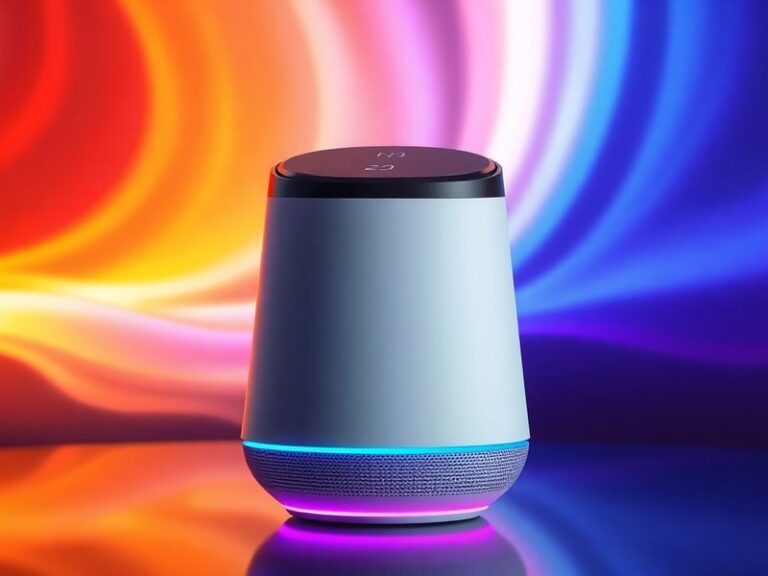
OpenAI Unveils Innovative Screenless Speaker
OpenAI has recently introduced a groundbreaking gadget: a screenless speaker that merges artificial intelligence with smart home capabilities. This innovative device promises to revolutionize the way users interact with technology in their homes, creating a seamless and intuitive experience. In this article, we will delve into the features of this new gadget, its implications for the industry, and the future possibilities it holds.
Features of the Screenless Speaker
The new screenless speaker from OpenAI is designed to provide an interactive experience without the need for visual feedback. Here are some of its key features:
- Voice Activation: The speaker responds to voice commands, allowing users to control their smart home devices hands-free.
- Natural Language Processing: Utilizing advanced NLP algorithms, the speaker can understand and respond to complex queries, making interactions feel more natural.
- Integration with Smart Home Devices: The speaker seamlessly connects with various smart home products, including lights, thermostats, and security systems.
- Personalized Recommendations: Leveraging machine learning, the speaker learns user preferences over time, providing tailored suggestions for music, news, and other content.
- Privacy and Security: With built-in security measures, users can rest assured that their conversations remain private and secure.
Practical Insights
The introduction of the screenless speaker marks a significant shift in how consumers engage with technology. As homes become increasingly connected, this device offers several practical benefits:
- Enhanced Accessibility: Screenless design makes it easier for individuals with visual impairments to interact with technology, broadening accessibility.
- Minimalist Aesthetic: The absence of a screen contributes to a cleaner, modern look in home environments.
- Energy Efficiency: Screenless devices typically consume less power, aligning with the growing demand for more sustainable technology solutions.
Industry Implications
OpenAI’s innovative speaker could have far-reaching implications across various sectors:
- Consumer Electronics: Other tech companies may feel pressured to innovate and develop their own screenless devices, leading to a wave of new products in the market.
- Smart Home Industry: The integration of AI into home automation systems could accelerate adoption rates, as consumers look for more intuitive solutions.
- AI Development: This product showcases the potential of AI in everyday life, prompting further investment and development in AI technologies.
Future Possibilities
The emergence of OpenAI’s screenless speaker opens the door to numerous future possibilities:
- Expanded Functionality: Future iterations could include additional features such as home health monitoring or integration with virtual reality systems.
- Broader AI Applications: As AI technology evolves, we may see screenless devices capable of more complex tasks, from advanced learning to unpredictable problem-solving.
- Interoperability: Greater collaboration between tech companies could lead to more unified ecosystems, enabling devices from different manufacturers to communicate effectively.
As we embrace this new wave of screenless technology, it is clear that OpenAI is leading the charge. Their commitment to innovation not only enhances user experience but also sets the stage for a transformative approach to how we interact with our homes and devices.
In conclusion, the unveiling of OpenAI’s screenless speaker is more than just the release of a new gadget; it represents a significant leap forward in the intersection of AI and smart home technology. As consumers and industry professionals alike adapt to this innovative approach, the potential for future advancements is limitless.