
OpenClaw Creator Joins OpenAI: What This Merger Signifies for the Future of Open-Source AI Development
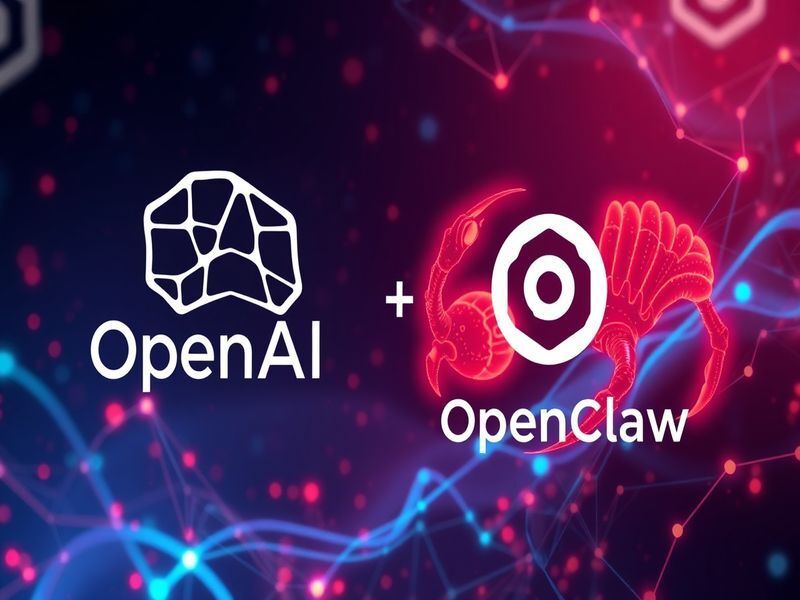
The recent merger of OpenClaw’s creator with OpenAI has stirred excitement and speculation within the artificial intelligence community. Known for its innovative open-source projects, OpenClaw brings along a wealth of experience and a strong commitment to collaborative development. This article delves into the implications of this merger, exploring its potential impact on AI, technology, and innovation.
A New Era of Open-Source AI
Open-source software has always played a pivotal role in technological advancements. By making code publicly accessible, developers can collaboratively improve and innovate, leading to faster breakthroughs. The joining of OpenClaw’s creator with OpenAI symbolizes a commitment to furthering this ethos in the realm of artificial intelligence.
- Enhanced Collaboration: OpenAI’s resources combined with OpenClaw’s community-driven approach may encourage more developers to contribute, fostering a more inclusive environment for innovation.
- Access to Cutting-Edge Technology: The merger allows OpenClaw’s projects to leverage OpenAI’s advanced machine learning models, providing users with enhanced tools and capabilities.
- Focus on Ethical AI: OpenAI has been a leader in advocating for responsible AI development. This partnership could further promote ethical guidelines in open-source projects.
Practical Insights for Developers
For developers and tech enthusiasts, this merger raises several practical considerations:
- More Resources: OpenClaw’s integration with OpenAI means access to more robust infrastructure, including powerful GPUs and cloud computing resources, which are crucial for training complex AI models.
- Community Support: The merger may lead to enhanced community engagement, with more forums, tutorials, and documentation available for those looking to delve into AI development.
- Innovative Tools: Expect new tools and libraries that combine OpenAI’s cutting-edge research with OpenClaw’s open-source philosophy, making advanced AI technologies more accessible.
Industry Implications
The merger has significant implications for various sectors that rely on AI technology:
- Startups: New startups can now build upon more established frameworks and technologies, reducing the barrier to entry for innovative AI solutions.
- Education: Universities and educational institutions may incorporate the combined resources into their curricula, fostering a new generation of AI developers.
- Research: Collaborative research initiatives may emerge, pushing the boundaries of AI applications across multiple disciplines.
The Road Ahead: Future Possibilities
Looking ahead, the merger opens up several future possibilities for AI development:
- Interoperability: The integration may lead to the creation of standardized protocols that enhance the interoperability of AI tools developed by different entities.
- Increased Funding: With OpenAI’s backing, OpenClaw could attract more funding for open-source projects, leading to more ambitious initiatives.
- Global Impact: This partnership could promote AI solutions in developing nations, providing tools and frameworks that empower local innovators.
Conclusion
The merger of OpenClaw’s creator with OpenAI heralds a promising future for open-source AI development. By combining resources, expertise, and a shared vision for ethical AI, this partnership is poised to drive innovation, enhance collaboration, and significantly impact the AI landscape. Developers, researchers, and tech enthusiasts should keep a close eye on how this merger unfolds, as it may set the stage for the next wave of AI advancements.