

The Pentagon vs. Anthropic: The Battle Over Military AI Use
The intersection of artificial intelligence and military applications has long been a contentious topic, but recent developments have brought this debate to the forefront. The Pentagon’s push for advanced AI capabilities and Anthropic’s cautious approach to AI deployment have sparked a significant discussion about the ethical and strategic implications of AI in defense. This article delves into the nuances of this battle, exploring the practical insights, industry implications, and future possibilities.
The Pentagon’s AI Ambitions
The U.S. Department of Defense has been actively investing in AI technologies to maintain a competitive edge. The Pentagon’s AI strategy aims to integrate AI across various domains, including logistics, cybersecurity, and autonomous systems. The goal is to enhance decision-making, improve operational efficiency, and ensure national security.
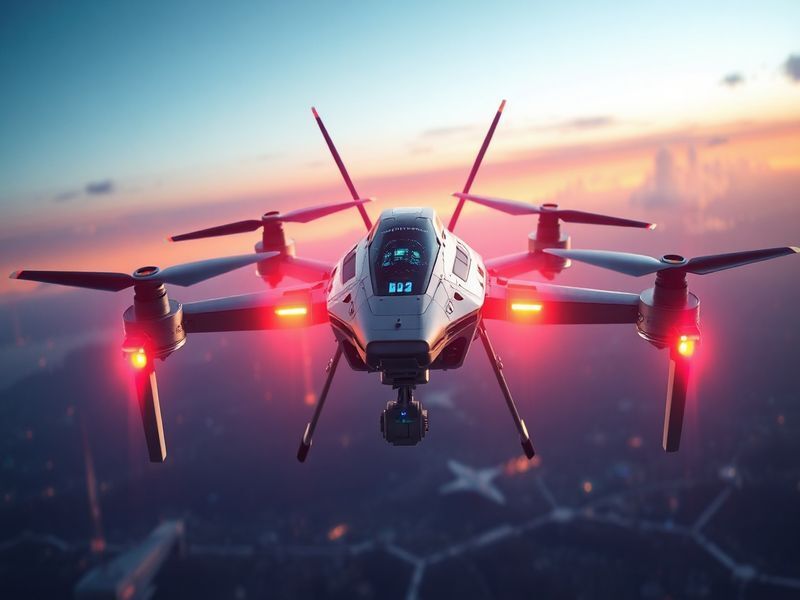
- Autonomous Systems: The Pentagon is exploring the use of autonomous drones and vehicles for reconnaissance, surveillance, and potentially even combat operations.
- Predictive Maintenance: AI algorithms are being deployed to predict equipment failures, reducing downtime and maintenance costs.
- Cybersecurity: AI-driven cybersecurity tools are being developed to detect and mitigate cyber threats in real-time.
Anthropic’s Cautious Approach
Anthropic, a leading AI research company, has taken a more cautious stance on the deployment of AI in military applications. The company emphasizes the importance of ethical considerations and the potential risks associated with AI in defense. Anthropic’s approach is rooted in the belief that AI should be developed and deployed responsibly, with a focus on transparency, accountability, and human oversight.
- Ethical Guidelines: Anthropic advocates for the development of ethical guidelines for AI in defense, ensuring that AI systems are used in a manner that aligns with human values and international laws.
- Human Oversight: The company stresses the importance of human oversight in AI-driven decision-making processes, particularly in high-stakes scenarios.
- Transparency: Anthropic promotes transparency in AI development and deployment, ensuring that stakeholders understand the capabilities and limitations of AI systems.
Ethical and Strategic Implications
The debate between the Pentagon and Anthropic highlights the ethical and strategic implications of AI in defense. On one hand, AI can enhance military capabilities and improve operational efficiency. On the other hand, the deployment of AI in defense raises concerns about autonomy, accountability, and the potential for misuse.
Autonomy and Accountability
One of the primary ethical concerns surrounding AI in defense is the issue of autonomy. As AI systems become more advanced, there is a growing debate about the level of autonomy that should be granted to these systems. The Pentagon’s push for autonomous systems raises questions about accountability, particularly in scenarios where AI-driven decisions result in unintended consequences.
Potential for Misuse
Another significant concern is the potential for AI to be misused in military applications. The deployment of AI in defense could lead to the development of autonomous weapons systems, which could be used to target and engage enemies without human intervention. This raises ethical questions about the use of force and the potential for AI to be used in ways that violate international laws and human rights.
Industry Implications
The debate between the Pentagon and Anthropic has significant implications for the AI industry. The push for advanced AI capabilities in defense has led to increased investment in AI research and development, creating new opportunities for AI companies and startups. However, the ethical concerns surrounding AI in defense have also led to calls for greater regulation and oversight, which could impact the pace of AI innovation.
Increased Investment
The Pentagon’s AI ambitions have led to a surge in investment in AI research and development. This has created new opportunities for AI companies and startups, particularly those focused on defense applications. The increased investment has also led to the development of new AI technologies and capabilities, which could have applications beyond the defense sector.
Regulatory Challenges
The ethical concerns surrounding AI in defense have led to calls for greater regulation and oversight. This could impact the pace of AI innovation, as companies may need to navigate complex regulatory frameworks and ethical guidelines. The regulatory challenges could also create new opportunities for AI companies that specialize in ethical AI development and deployment.
Future Possibilities
The debate between the Pentagon and Anthropic highlights the need for a balanced approach to AI in defense. The future of AI in defense will likely involve a combination of advanced AI capabilities and robust ethical guidelines. This could lead to the development of AI systems that are both effective and responsible, ensuring that AI is used in a manner that aligns with human values and international laws.
Advanced AI Capabilities
The future of AI in defense will likely involve the development of advanced AI capabilities, including autonomous systems, predictive analytics, and AI-driven cybersecurity tools. These capabilities could enhance military operations, improve decision-making, and ensure national security. However, the development of these capabilities will need to be balanced with ethical considerations and human oversight.
Robust Ethical Guidelines
The future of AI in defense will also involve the development of robust ethical guidelines. These guidelines will need to address issues such as autonomy, accountability, and the potential for misuse. The development of ethical guidelines will require collaboration between AI companies, government agencies, and international organizations. This collaboration will ensure that AI is used in a manner that aligns with human values and international laws.
Conclusion
The debate between the Pentagon and Anthropic highlights the complex ethical and strategic implications of AI in defense. The push for advanced AI capabilities in defense has led to increased investment in AI research and development, creating new opportunities for AI companies and startups. However, the ethical concerns surrounding AI in defense have also led to calls for greater regulation and oversight, which could impact the pace of AI innovation. The future of AI in defense will likely involve a combination of advanced AI capabilities and robust ethical guidelines, ensuring that AI is used in a manner that aligns with human values and international laws.
As the debate between the Pentagon and Anthropic continues, it is clear that the ethical and strategic implications of AI in defense will remain a contentious topic. The development of AI in defense will require a balanced approach, one that prioritizes both innovation and responsibility. By doing so, we can ensure that AI is used in a manner that enhances military capabilities while also aligning with human values and international laws.
—