
Pentagon’s Official Adoption of AI for Military Operations: Examining the Role of Palantir’s Maven in Modern Military Strategies
The landscape of military operations is evolving rapidly, driven largely by advancements in artificial intelligence (AI) and machine learning. Among the pioneers in this transformation is the Pentagon, which has officially adopted AI technologies to enhance its operational capabilities. A significant player in this shift is Palantir Technologies, particularly with its Maven project, designed to integrate AI into military strategies and operations.
Understanding Maven: The Backbone of Military AI
Palantir’s Maven is an AI platform specifically designed to assist the U.S. military in analyzing vast amounts of data. This platform utilizes machine learning algorithms to sift through unstructured data, helping military analysts and decision-makers identify patterns and insights that would be difficult to discern manually. The adoption of Maven is a reflection of a broader trend where data-driven approaches are becoming integral to military strategy.
Key Features of Maven
Maven is not just a standalone tool; it represents a comprehensive suite of features aimed at enhancing situational awareness and operational effectiveness. Some of the key features include:
- Data Integration: Maven can aggregate data from various sources, including satellites, drones, and ground units, providing a unified view of the battlefield.
- Real-time Analytics: The platform analyzes data in real-time, allowing military personnel to make informed decisions quickly.
- Predictive Modeling: By utilizing historical data, Maven can predict future scenarios, helping strategists plan more effectively.
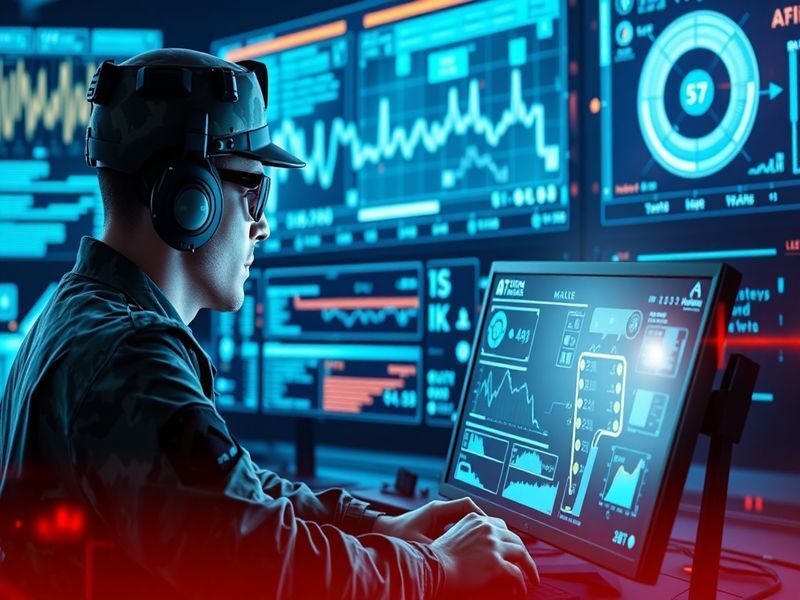
- Enhanced Visualization: The platform offers advanced visualization tools that help users interpret complex data sets intuitively.
Practical Insights: The Impact of AI on Military Operations
The integration of AI in military operations through platforms like Maven has several practical implications:
- Improved Decision-Making: With access to comprehensive data analytics, military leaders can make decisions based on solid evidence rather than intuition alone.
- Increased Operational Efficiency: Automating data analysis allows military personnel to focus on strategic initiatives rather than mundane data processing tasks.
- Enhanced Targeting Capabilities: AI-driven insights can lead to more precise targeting, reducing collateral damage and increasing mission success rates.
- Better Resource Allocation: AI can help identify which resources are most effective in various scenarios, allowing for more strategic deployment of assets.
Industry Implications of AI in Military Settings
The Pentagon’s adoption of AI, particularly through Palantir’s Maven, signals a significant shift in military operations that could have far-reaching implications:
- Innovation in Defense Contracts: As the military increasingly relies on AI, defense contractors may pivot their research and development efforts to focus on AI capabilities.
- Increased Competition: Companies that can provide cutting-edge AI solutions will likely gain a competitive edge in securing government contracts.
- Ethical Considerations: The use of AI in military applications raises ethical questions regarding the potential for autonomous warfare and the moral implications of AI decision-making.
Future Possibilities: The Road Ahead for AI in Military Operations
Looking ahead, the potential for AI in military operations is vast. Here are some possibilities:
- Autonomous Systems: The development of AI-driven drones and unmanned vehicles could revolutionize battlefield tactics, allowing for more effective reconnaissance and combat without human intervention.
- Cybersecurity Enhancements: As military operations become increasingly dependent on technology, AI can play a crucial role in identifying and mitigating cyber threats in real-time.
- Collaborative AI Systems: Future AI systems may be designed to work collaboratively with humans, enhancing decision-making processes without fully replacing human insight.
- Global AI Standards: The international community may need to establish standards and regulations governing the use of AI in military applications to prevent misuse and escalation of conflicts.
Conclusion
The Pentagon’s official adoption of AI for military operations, particularly through Palantir’s Maven, marks a pivotal moment in the integration of technology and warfare. As military strategies evolve in response to technological advancements, the implications for operational effectiveness, ethical considerations, and global security will become increasingly significant. The future of warfare may very well hinge on how effectively military organizations can leverage AI to enhance their operational capabilities while navigating the ethical landscape that accompanies such powerful technologies.