

Pentagon’s Standoff with Anthropic: Safety vs Military Needs
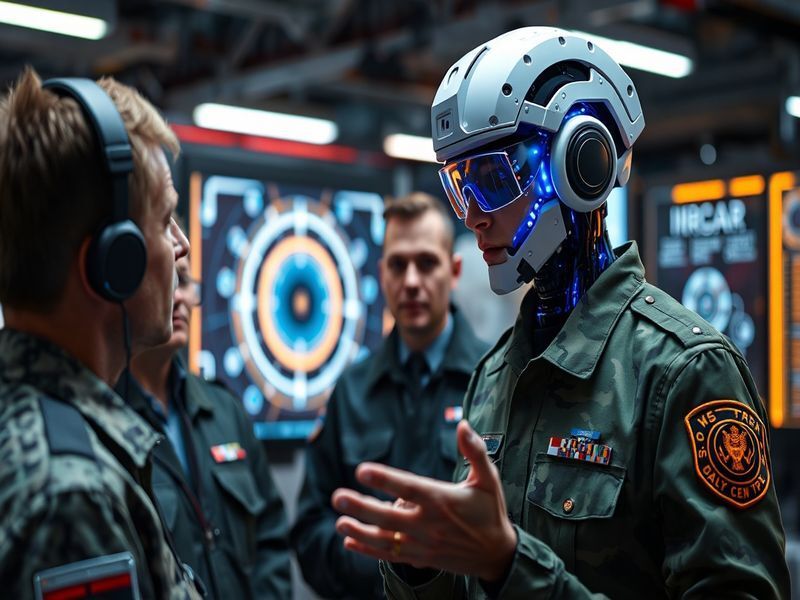
The intersection of artificial intelligence (AI) and military applications has always been a contentious area, raising questions about ethics, safety, and national security. The recent standoff between the Pentagon and AI company Anthropic highlights the complexities surrounding AI safety protocols clashing with military requirements. As the Pentagon seeks less restricted access to advanced AI technologies, the implications for both safety and innovation are profound.
The Background
Anthropic, a prominent AI safety and research company, has gained attention for its commitment to developing AI systems that prioritize safety. The Pentagon, on the other hand, is increasingly interested in integrating advanced AI technologies into military operations, pushing for less restrictive access to these systems. This situation has sparked a debate on how to balance the needs of national defense with the imperative of ensuring AI safety.
Understanding AI Safety Protocols
AI safety protocols are designed to mitigate risks associated with deploying AI systems, particularly in critical areas such as military applications. These protocols include:
- Robustness: Ensuring AI systems perform reliably under a variety of conditions.
- Explainability: Making AI decision-making processes transparent and understandable.
- Accountability: Establishing clear lines of responsibility for AI actions.
- Ethics: Incorporating ethical considerations into AI design and deployment.
These principles are crucial for preventing unintended consequences that could arise from autonomous systems making critical decisions in high-stakes environments. The challenge, however, lies in adapting these protocols to meet the urgent needs of military operations.
The Pentagon’s Perspective
The Pentagon’s interest in AI is driven by the desire to maintain a technological edge over adversaries. Military leaders argue that access to advanced AI capabilities can enhance operational efficiency, improve decision-making, and ultimately save lives. Key motivations include:
- Speed: AI can process vast amounts of data and provide real-time insights, crucial for successful military operations.
- Automation: Integrating AI can reduce the burden on human operators, allowing them to focus on strategic tasks.
- Enhanced Decision-Making: AI can help analyze complex scenarios, offering options that human analysts may not have considered.
However, this drive for innovation raises concerns about the potential misuse of AI technologies and the ethical implications of deploying autonomous systems in combat scenarios.
Anthropic’s Stance on Safety
In contrast, Anthropic emphasizes the importance of developing AI systems that are safe and aligned with human values. The company’s mission is to ensure that AI technologies are beneficial and do not pose risks to society. Their approach includes:
- Rigorous Testing: Conducting extensive tests to ensure AI systems behave as intended in diverse situations.
- Collaborative Research: Partnering with organizations to develop safety-oriented frameworks and guidelines.
- Transparency Initiatives: Promoting open discussions about AI safety and ethical considerations.
Anthropic’s cautious approach is rooted in a deep understanding of the potential consequences of AI failures, especially in military contexts where the stakes are exceptionally high.
The Clash of Interests
The ongoing standoff between the Pentagon and Anthropic exemplifies the clash of interests between military needs and AI safety protocols. On one hand, the Pentagon’s push for less restricted access to AI capabilities is essential for maintaining national security. On the other hand, the concerns raised by AI experts about the risks of reckless deployment cannot be ignored.
This clash results in several critical implications:
- Policy Development: There is a pressing need for policies that balance military requirements with safety protocols. Developing clear guidelines can help mitigate risks while supporting innovation.
- Industry Collaboration: Military and AI companies must work together to create frameworks that ensure safety without hindering technological advancement.
- Public Trust: Transparency in AI development and deployment is essential for maintaining public trust in military operations that utilize AI technologies.
Future Possibilities
As the Pentagon and companies like Anthropic navigate these complex issues, the future of AI in military applications will likely evolve in several ways:
- Adaptive Safety Protocols: The development of flexible safety protocols that can adapt to different operational contexts may become standard.
- Increased Oversight: Regulatory bodies may emerge to oversee the deployment of AI technologies in military settings, ensuring compliance with safety standards.
- Enhanced AI Literacy: A focus on educating military personnel about AI capabilities and limitations can foster responsible use and better decision-making.
The balance between the military’s need for advanced AI capabilities and the imperative of safety is not just a challenge; it is an opportunity for innovation in policy, technology, and ethics. As we move forward, the dialogue between defense and AI safety will be crucial in shaping the future of artificial intelligence in military applications.