
Pokémon Go Players: Unlikely Trainers for Delivery Robots
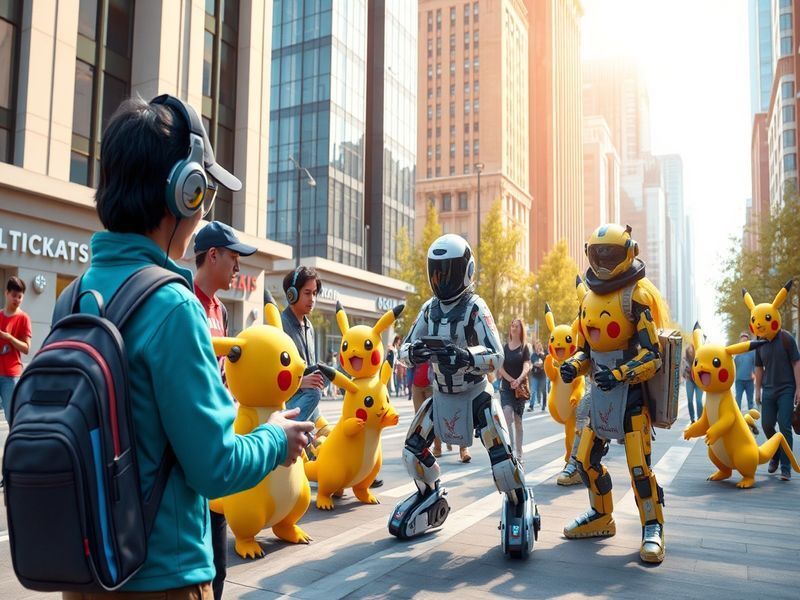
In an era where technology is rapidly evolving, the intersection of gaming and robotics reveals intriguing possibilities. One of the most fascinating developments has emerged from the realm of augmented reality gaming, specifically Pokémon Go. This mobile game has inadvertently become a training ground for delivery robots, using crowdsourced data from its players to enhance the accuracy and efficiency of robotic navigation systems. In this article, we will explore how this unlikely synergy is shaping the future of delivery services and the implications it holds for various industries.
The Rise of Crowdsourced Data
Pokémon Go players are not just adventurers catching virtual creatures; they are actively contributing to a vast pool of geographic and environmental data. As players traverse cities and neighborhoods, they generate valuable information about:
- Terrain: Players navigate through parks, sidewalks, and buildings, providing insights into the physical landscape.
- Traffic Patterns: The movement of players can help identify busy areas, peak times, and potential obstacles.
- Social Interactions: Locations where players congregate can indicate safe zones or popular meeting points.
This crowdsourced data is crucial for improving the navigation algorithms that drive delivery robots. By leveraging the real-world experiences of gamers, robotics developers can train AI systems to better understand and adapt to dynamic urban environments.
Enhancing Robotic Delivery Systems
Robotic delivery systems are designed to transport goods from point A to point B with minimal human intervention. However, they often face challenges in accuracy and efficiency. By integrating data from Pokémon Go, developers can enhance these systems in several ways:
- Improved Mapping: The data collected by players helps in creating detailed and accurate maps that consider real-time changes in the environment.
- Obstacle Recognition: By understanding player movements, robots can learn to identify and navigate around obstacles such as construction sites or temporary barriers.
- Route Optimization: The analysis of player routes allows for better delivery path planning, reducing travel time and increasing efficiency.
Industry Implications
The application of crowdsourced data from gamers extends beyond just improving delivery robots. The implications for various industries are profound:
- Logistics and Supply Chain: Companies can utilize enhanced navigation systems to optimize their logistics operations, resulting in cost savings and improved customer satisfaction.
- Urban Planning: City planners can leverage the data to better understand foot traffic patterns, leading to more effective urban designs and public space utilization.
- Retail and Marketing: Businesses can identify high-traffic areas for targeted advertising and promotional efforts, increasing their visibility and sales potential.
Future Possibilities
The collaboration between Pokémon Go players and delivery robots is just the beginning. The future holds exciting possibilities, including:
- Enhanced AI Learning: As more players engage with the game, the data pool will grow, allowing AI systems to refine their learning and adapt to new challenges.
- Integration with Other Technologies: Combining data from various sources, such as social media and IoT devices, can lead to even more sophisticated navigation systems.
- Global Reach: As robotic delivery systems expand internationally, crowdsourced data from local gamers can provide insights tailored to diverse environments across the globe.
In summary, the unlikely partnership between Pokémon Go players and delivery robots showcases the innovative potential of combining gaming with cutting-edge technology. By harnessing the power of crowdsourced data, industries can overcome challenges in navigation and delivery, paving the way for a more efficient future.