

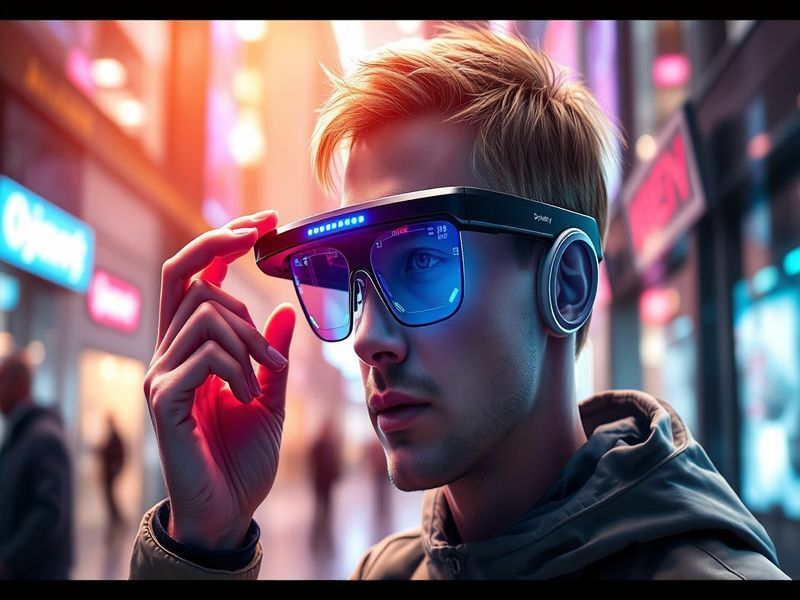
Real-Time Translation and Transcription: The Next Generation of Smart Glasses
In an age where communication transcends geographical boundaries, the ability to understand and be understood in multiple languages is more crucial than ever. Enter Dymesty’s innovative AI glasses, a technological advancement that prioritizes audio experiences over visual content, revolutionizing the way we interact with the world around us. By leveraging cutting-edge artificial intelligence, these smart glasses aim to provide real-time translation and transcription, making conversations fluid and seamless.
Understanding the Technology Behind Dymesty’s Smart Glasses
Dymesty’s smart glasses harness the power of advanced machine learning algorithms and natural language processing (NLP) to facilitate real-time communication. Here’s how they work:
- Voice Recognition: The glasses utilize sophisticated voice recognition technology to capture spoken language accurately.
- Real-Time Translation: With built-in AI models, the device translates spoken words into the user’s preferred language almost instantaneously.
- Transcription Capabilities: Simultaneously, the glasses transcribe conversations, allowing users to follow along visually if needed.
This combination of features not only enhances communication but also serves a diverse array of users, from international business professionals to travelers exploring new cultures.
Industry Implications
The introduction of Dymesty’s smart glasses has far-reaching implications across various industries:
- Global Business: Companies with international teams can utilize these glasses to facilitate meetings and discussions without the barrier of language, fostering collaboration.
- Travel and Tourism: Tourists can navigate foreign countries more confidently, interacting with locals and understanding cultural nuances without language hindrances.
- Education: Educational institutions can leverage this technology to offer immersive learning experiences for students studying foreign languages or engaging with diverse communities.
Furthermore, the integration of such technology could drive efficiency, reduce miscommunication, and enhance user satisfaction across sectors, leading to an increase in productivity and innovation.
Future Possibilities: Beyond Translation
The potential applications for Dymesty’s AI glasses extend beyond mere translation and transcription:
- Enhanced Accessibility: These glasses can significantly aid individuals with hearing impairments by providing real-time captions and translations of spoken dialogue, thus making conversations more inclusive.
- Augmented Reality Features: Future iterations could incorporate augmented reality (AR) to overlay information about objects or locations, enriching the user’s environment.
- Integration with Other AI Tools: The glasses could work in conjunction with other AI technologies, such as virtual assistants, enabling users to access information or perform tasks hands-free.
As the technology matures, we may also see the introduction of features like emotion detection and contextual understanding, allowing the device to provide nuanced translations that consider tone and intent.
Practical Insights for Tech Enthusiasts and Professionals
For tech enthusiasts and professionals, understanding the capabilities and limitations of Dymesty’s AI glasses is essential:
- Stay Informed: Follow updates on AI advancements and integration in wearable technology.
- Experiment with Use Cases: Explore how these glasses can be applied in various fields, from customer service to healthcare.
- Engage with Community Feedback: Participate in forums and discussions to share experiences and learn from others using similar technologies.
By engaging with the technology and its community, professionals can shape its development and ensure it meets the needs of diverse users.
Conclusion
Dymesty’s AI glasses represent a significant leap forward in the realm of wearable technology, emphasizing the importance of audio experiences in an increasingly interconnected world. With real-time translation and transcription capabilities, these glasses not only bridge communication gaps but also pave the way for a future where language barriers are significantly diminished. As we look ahead, the possibilities for innovation and application are limitless, promising a new era of global interaction and understanding.