

# Robodogs in Firefighting: AI-Powered Emergency Response
## The Dawn of a New Era in Disaster Management
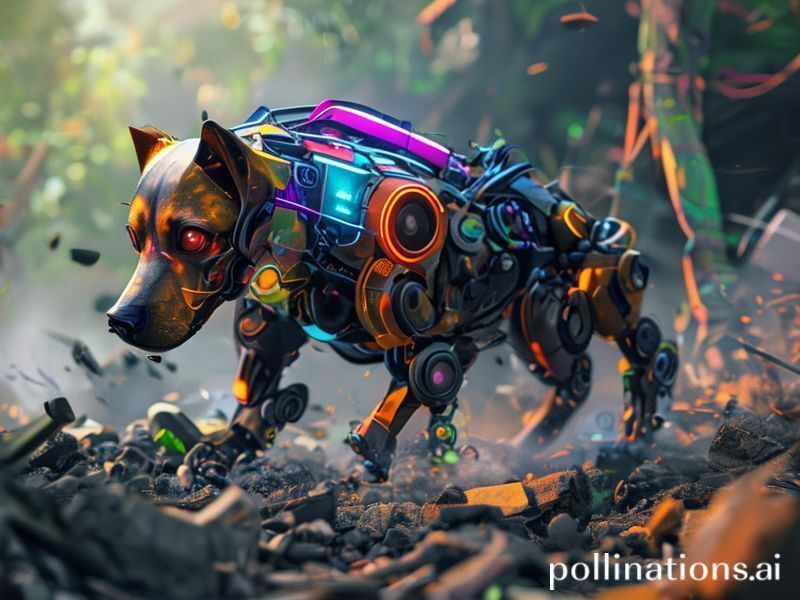
In the realm of emergency response and disaster management, a new breed of heroes is emerging—robotic dogs powered by artificial intelligence. These **AI-controlled robotic dogs**, or “robodogs,” are revolutionizing the way we approach firefighting and other high-risk emergency situations. By combining the agility and adaptability of robotic systems with the cognitive capabilities of AI, these innovative machines are enhancing the efficiency, safety, and effectiveness of emergency response teams.
## The Technology Behind Robodogs
### AI and Machine Learning
At the heart of these robotic dogs lies advanced AI and machine learning technology. These systems are trained on vast datasets to recognize patterns, make decisions, and learn from their experiences. For instance, a robodog can be trained to navigate through complex environments, identify potential hazards, and even predict the spread of fires based on real-time data.
### Robotics and Automation
The physical capabilities of robodogs are equally impressive. Equipped with advanced sensors, cameras, and actuators, these robots can maneuver through debris, climb stairs, and even open doors. Their automated systems allow them to perform tasks with precision and speed, reducing the need for human intervention in dangerous situations.
### Integration with Emergency Response Systems
Robodogs are designed to seamlessly integrate with existing emergency response systems. They can communicate with human operators, share real-time data, and coordinate with other robotic and human teams. This integration ensures that all response efforts are synchronized, leading to more effective and efficient disaster management.
## Practical Applications in Firefighting
### Enhanced Situational Awareness
One of the primary advantages of robodogs in firefighting is their ability to provide enhanced situational awareness. Equipped with thermal imaging cameras and other sensors, these robots can detect hotspots, identify trapped individuals, and assess structural integrity. This information is crucial for firefighters, allowing them to make informed decisions and plan their actions more effectively.
### Search and Rescue Operations
Robodogs excel in search and rescue operations. Their small size and agility enable them to navigate through tight spaces and debris, reaching areas that are inaccessible to humans. They can locate survivors, assess their condition, and provide real-time updates to rescue teams. This capability significantly increases the chances of successful rescues and reduces the risk to human responders.
### Hazardous Material Handling
In situations involving hazardous materials, robodogs can be deployed to handle and neutralize threats. Equipped with specialized tools and sensors, these robots can detect and contain hazardous substances, reducing the risk of exposure to human responders. This capability is particularly valuable in industrial accidents and chemical spills.
## Industry Implications
### Cost-Effectiveness and Efficiency
The deployment of robodogs in firefighting and emergency response can lead to significant cost savings and increased efficiency. These robots can perform tasks that would otherwise require multiple human responders, reducing labor costs and minimizing the risk of injury. Additionally, their ability to operate continuously without fatigue ensures that response efforts are sustained over long periods.
### Enhanced Safety for Human Responders
By taking on high-risk tasks, robodogs enhance the safety of human responders. Firefighters and other emergency personnel can focus on strategic planning and coordination, knowing that the robots are handling the most dangerous aspects of the operation. This shift not only reduces the risk of injury but also improves the overall effectiveness of the response.
### Training and Simulation
Robodogs can also be used for training and simulation purposes. Emergency response teams can practice their skills in realistic, controlled environments, preparing them for real-world scenarios. This training enhances their readiness and ensures that they are better equipped to handle emergencies.
## Future Possibilities
### Advanced AI Capabilities
As AI technology continues to evolve, the capabilities of robodogs will expand. Future iterations may include advanced natural language processing, allowing these robots to communicate more effectively with human operators. They may also incorporate predictive analytics to anticipate emergencies and provide early warnings, further enhancing their effectiveness.
### Integration with Other Technologies
The integration of robodogs with other emerging technologies, such as drones and autonomous vehicles, can create a comprehensive emergency response network. These systems can work together to provide real-time data, coordinate response efforts, and enhance situational awareness. This integration will lead to more efficient and effective disaster management.
### Global Deployment
The potential for global deployment of robodogs is immense. Countries and regions prone to natural disasters can benefit significantly from the deployment of these robots. By sharing data and best practices, emergency response teams worldwide can improve their capabilities and better prepare for future emergencies.
## Conclusion
The introduction of AI-powered robotic dogs in firefighting and emergency response marks a significant milestone in the evolution of disaster management. These innovative machines combine the best of AI and robotics to enhance the efficiency, safety, and effectiveness of emergency response efforts. As technology continues to advance, the capabilities of robodogs will only grow, paving the way for a future where emergencies are managed with greater precision and speed.
—