

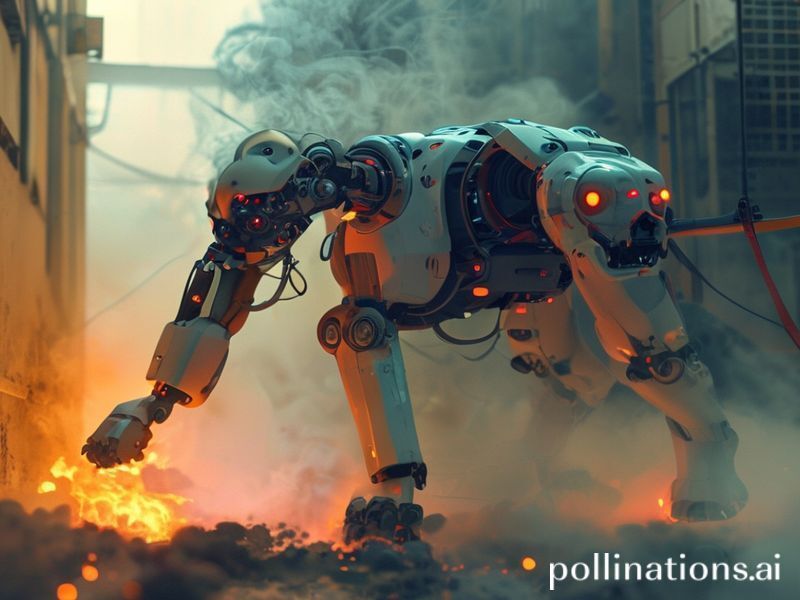
Robodogs in Firefighting: How AI-powered Robotic Dogs Are Revolutionizing Emergency Response
In the realm of emergency response, innovation is key to saving lives and minimizing damage. One of the most exciting advancements in this field is the development of AI-powered robotic dogs, or “robodogs,” designed to assist firefighters in hazardous environments. These cutting-edge machines are equipped with advanced sensors, AI algorithms, and robust mechanical designs, enabling them to navigate through smoke, debris, and extreme temperatures with unprecedented efficiency.
The Rise of Robodogs in Firefighting
The concept of using robots in firefighting is not entirely new, but recent advancements in AI and robotics have significantly enhanced their capabilities. Traditional firefighting robots have been limited in their mobility and ability to perform complex tasks. However, the integration of AI has transformed these machines into versatile tools that can operate autonomously or semi-autonomously, providing critical support to human firefighters.
- Enhanced Mobility: Robodogs are designed with four-legged structures that allow them to traverse rough terrain, climb stairs, and navigate through narrow spaces. This mobility is crucial in urban environments where fires can spread rapidly through complex building structures.
- Advanced Sensors: Equipped with thermal imaging, LiDAR, and other advanced sensors, robodogs can detect heat sources, identify structural weaknesses, and locate victims even in zero-visibility conditions.
- AI-Powered Decision Making: These robots use machine learning algorithms to analyze data from their sensors and make real-time decisions. For example, they can identify the safest routes for firefighters, predict the spread of fire, and even perform basic firefighting tasks such as extinguishing small fires or closing valves.
Practical Insights and Industry Implications
The introduction of robodogs into firefighting operations has profound implications for the industry. These robots can significantly enhance the safety and efficiency of emergency response efforts, ultimately saving more lives and reducing property damage.
Improved Safety for Firefighters
One of the most significant benefits of robodogs is their ability to reduce the risks faced by human firefighters. By deploying these robots into hazardous environments, firefighters can gather critical information without exposing themselves to extreme heat, smoke, or collapsing structures. This not only enhances their safety but also allows them to focus on more strategic aspects of firefighting.
Enhanced Situational Awareness
Robodogs provide real-time data that can be invaluable for incident commanders. By analyzing the data collected by these robots, commanders can make more informed decisions about resource allocation, evacuation routes, and firefighting strategies. This enhanced situational awareness can lead to more effective and efficient emergency responses.
Cost-Effectiveness and Scalability
While the initial investment in robodogs may be high, their long-term benefits can outweigh the costs. These robots can be deployed in various emergency scenarios, making them a versatile tool for emergency response teams. Additionally, as technology advances, the cost of these robots is likely to decrease, making them more accessible to a wider range of emergency response organizations.
Future Possibilities and Innovations
The future of robodogs in firefighting is bright, with numerous possibilities for further innovation and development. As AI and robotics continue to evolve, these machines are likely to become even more capable and versatile.
Autonomous Firefighting
One of the most exciting possibilities is the development of fully autonomous firefighting robots. These robots would be capable of performing complex firefighting tasks without human intervention, such as extinguishing fires, rescuing victims, and even conducting search and rescue operations in collapsed buildings. This level of autonomy could revolutionize emergency response, allowing for faster and more effective interventions.
Integration with Other Technologies
Robodogs can also be integrated with other emerging technologies to enhance their capabilities. For example, they could be equipped with drones to provide aerial support and gather additional data. They could also be connected to IoT devices within buildings to monitor environmental conditions and provide early warnings of potential hazards.
Collaborative Robotics
Another promising area of development is collaborative robotics, where multiple robodogs work together to perform complex tasks. This could involve teams of robots coordinating their efforts to extinguish large fires, search for victims, or stabilize structures. Collaborative robotics could significantly enhance the effectiveness of emergency response efforts, allowing for more coordinated and efficient operations.
Conclusion
The integration of AI-powered robodogs into firefighting operations represents a significant leap forward in emergency response technology. These advanced machines offer numerous benefits, from enhancing the safety of firefighters to improving situational awareness and reducing costs. As technology continues to evolve, the potential for further innovation in this field is vast, promising even more effective and efficient emergency response capabilities in the future.
For tech enthusiasts and professionals, the development of robodogs is an exciting example of how AI and robotics can be harnessed to address real-world challenges. As these technologies continue to advance, we can expect to see even more innovative applications in various industries, from healthcare to manufacturing. The future of emergency response is here, and it’s looking brighter than ever.