
Security in AI: Claude Code Introduces Vulnerability Scanning
As artificial intelligence (AI) continues to permeate various sectors, the need for robust security measures becomes increasingly critical. With the introduction of tools like Claude Code, the landscape of code security is evolving. This article explores how AI can enhance code security through automated vulnerability scanning and patching, offering practical insights, industry implications, and future possibilities.
The Rise of AI in Code Security
In recent years, the integration of AI technologies into security frameworks has gained momentum. Traditional security measures, while effective to an extent, often fall short in their ability to keep pace with the rapidly evolving threat landscape. AI-driven tools like Claude Code are designed to tackle these challenges head-on, providing automated solutions to identify and mitigate vulnerabilities within software code.
How Automated Vulnerability Scanning Works
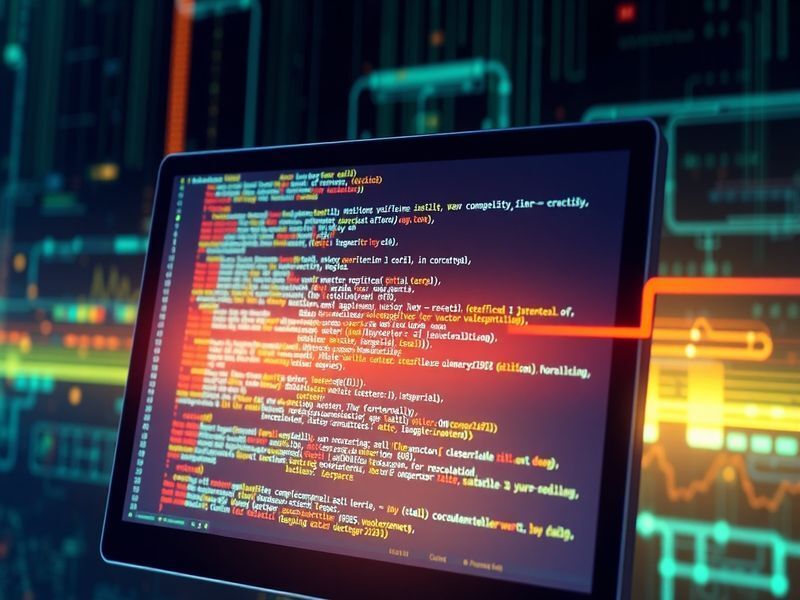
Automated vulnerability scanning leverages machine learning algorithms to identify weaknesses in code that could be exploited by malicious actors. This process typically involves:
- Static Code Analysis: The AI scans the codebase without executing the program, enabling it to detect security flaws such as buffer overflows, SQL injection points, and more.
- Dynamic Analysis: The tool runs the application in a controlled environment to observe its behavior in real-time, identifying vulnerabilities that may only manifest during execution.
- Machine Learning Models: By training on vast datasets of known vulnerabilities, these models can predict potential security issues in new code that might not have been documented previously.
Benefits of AI-Enhanced Security
The implementation of AI-powered vulnerability scanning, such as that provided by Claude Code, offers several key benefits:
- Speed: Automated tools can scan codebases far more quickly than human reviewers, significantly reducing the time it takes to identify vulnerabilities.
- Accuracy: AI can minimize false positives and false negatives by learning from past scans and continuously improving its detection algorithms.
- Cost-Effectiveness: By automating the vulnerability assessment process, organizations can allocate resources more efficiently, focusing on remediation rather than detection.
Industry Implications
The implications of integrating AI vulnerability scanning into the software development lifecycle are profound:
- DevSecOps Integration: AI tools can seamlessly integrate into DevSecOps pipelines, enabling security to become a fundamental aspect of the development process rather than an afterthought.
- Regulatory Compliance: As regulations around data security tighten, organizations can use AI to ensure compliance with standards such as GDPR and HIPAA by regularly scanning for vulnerabilities.
- Enhanced Threat Intelligence: AI systems can analyze patterns and trends in security threats, providing organizations with actionable insights to strengthen their defenses proactively.
Future Possibilities
As AI technology continues to evolve, the future of vulnerability scanning looks promising:
- Real-Time Threat Detection: Future advancements may enable AI systems to detect and respond to threats in real-time, providing organizations with immediate alerts and remediation options.
- Self-Healing Code: Imagine a scenario where AI can not only detect vulnerabilities but also propose and implement fixes autonomously, significantly reducing the workload on developers.
- Greater Customization: The development of more sophisticated models could allow organizations to tailor vulnerability scanning according to their unique software environments and security needs.
Conclusion
The introduction of Claude Code and similar AI tools marks a significant step forward in the realm of code security. By automating vulnerability scanning and patching, organizations can enhance their security posture, reduce risks, and streamline their development processes. As AI continues to advance, the potential for even more sophisticated security solutions will only grow, paving the way for a safer digital future.