
Simulated Biology: A Real Brain in a Digital World
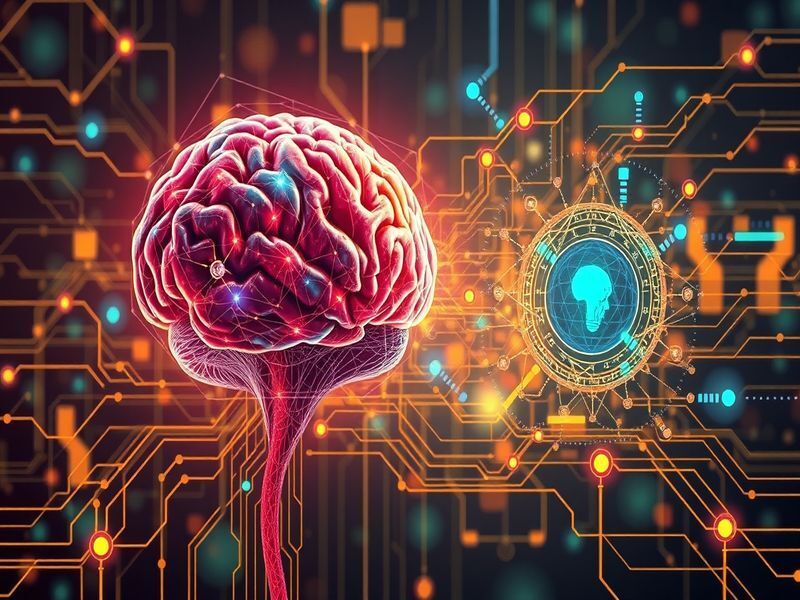
The intersection of biology and technology is rapidly evolving, with groundbreaking research dedicated to connecting biological brains with artificial environments. This emerging field, often dubbed simulated biology, explores the potential of integrating biological processes with artificial intelligence (AI) and machine learning to create advanced digital systems that mimic cognitive functions. In this article, we delve into the innovations that are shaping this space, the practical implications for various industries, and the future possibilities that lie ahead.
Understanding Simulated Biology
Simulated biology combines elements from neuroscience, computer science, and robotics to create systems that can replicate or simulate biological processes. This not only includes the functioning of the human brain but also extends to biological responses in various living organisms. Key objectives of simulated biology include:
- Mimicking Cognitive Functions: Developing AI systems that can think, learn, and adapt like a human brain.
- Interfacing Biological and Digital Systems: Creating technologies that can interact with biological systems, such as brain-computer interfaces (BCIs).
- Enhancing Machine Learning Models: Utilizing biological principles to improve algorithms and AI performance.
Groundbreaking Research in Simulated Biology
Recent advancements in simulated biology have produced remarkable results. Researchers are leveraging various technologies and methodologies to create systems that can bridge the gap between biological brains and digital environments. Some notable projects include:
- The Blue Brain Project: This Swiss initiative aims to create a digital reconstruction of the brain by modeling neurons and their interactions. By simulating the brain’s architecture, researchers hope to gain insights into how it processes information.
- OpenWorm: An open-source project that seeks to simulate the entire neural system of the C. elegans nematode. This project allows scientists to study neural dynamics and behavior in a controlled environment.
- Brain-Machine Interfaces (BMI): Companies like Neuralink are developing interfaces that connect biological brains with computers, enabling direct communication and control over digital devices.
Industry Implications
The implications of simulated biology are vast and can transform numerous industries, including:
Healthcare and Medicine
Simulated biology holds the potential to revolutionize healthcare by:
- Personalized Medicine: By simulating patient-specific biological responses, healthcare providers can tailor treatments to individual needs.
- Drug Discovery: Simulations can significantly reduce the time and cost involved in drug development by predicting how new drugs will interact with biological systems.
- Neuroprosthetics: Advanced brain-computer interfaces can enable individuals with disabilities to control prosthetic limbs with their thoughts, vastly improving quality of life.
Artificial Intelligence Development
In the realm of AI and machine learning, simulated biology can enhance algorithmic development through:
- Improved Learning Models: By mimicking biological learning processes, AI systems can become more adaptive and efficient in processing information.
- Neuroscience-Inspired Algorithms: Insights from simulated biology can lead to the creation of algorithms that emulate human cognitive functions, leading to more robust AI solutions.
Robotics and Automation
Simulated biology can also have a significant impact on robotics by:
- Developing Autonomous Systems: Robots that can learn from their environments and adapt their behaviors in real-time, similar to biological organisms.
- Enhancing Human-Robot Interaction: By integrating biological responses into robotic systems, robots can better understand and respond to human emotions and actions.
Future Possibilities
As research in simulated biology continues to advance, several exciting possibilities emerge:
- Integration of AI with Neuroscience: The collaboration between AI developers and neuroscientists could lead to breakthroughs in understanding cognitive functions, potentially unlocking new forms of intelligence.
- Enhanced Brain-Computer Interfaces: As technology improves, we may see BCIs that allow for seamless interaction between the human brain and digital environments, enabling unprecedented communication and control.
- Ethical Considerations: As simulated biology evolves, ethical questions surrounding privacy, consent, and the implications of merging biological systems with artificial environments will become increasingly critical.
Conclusion
Simulated biology represents a frontier of innovation that merges biological understanding with digital technology. By creating systems that can replicate or simulate biological processes, researchers are paving the way for transformative advancements across various sectors. As this field continues to grow, the implications for AI, healthcare, robotics, and beyond will be profound, reshaping our understanding of intelligence and interaction in the digital age.