Siri’s Major Overhaul in iOS 27: What the Latest Updates Mean for User Interaction and AI-Driven Assistance
With the release of iOS 27, Apple has made significant strides in enhancing Siri, its voice-activated personal assistant. This overhaul not only impacts how users interact with their devices but also sets the stage for more intelligent AI-driven assistance. In this article, we’ll explore the key updates to Siri, their implications for the industry, and the future possibilities they herald.
Key Updates to Siri in iOS 27
The latest version of Siri comes with a range of updates designed to improve user experience and functionality. Here are the most notable changes:
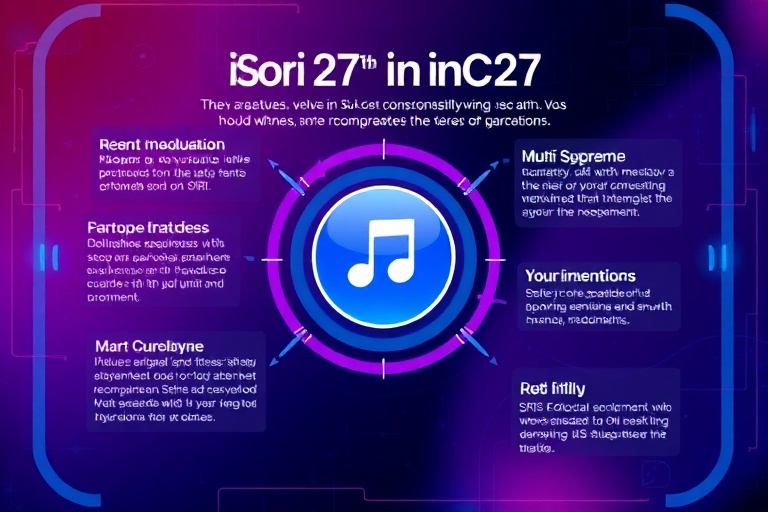
- Conversational Context Awareness: Siri can now maintain context over longer interactions, allowing for more natural conversations.
- Enhanced Natural Language Processing (NLP): The language model has been improved, making Siri better at understanding complex queries and following up on previous commands.
- Personalized Recommendations: Siri can now analyze user habits and preferences to provide tailored suggestions, from music playlists to reminders.
- Multi-Device Synchronization: Siri can interact seamlessly across Apple devices, allowing for cross-platform commands and responses.
- Integration with Third-Party Apps: Developers can now leverage Siri’s capabilities more effectively, leading to a richer ecosystem of voice interactions.
The Impact on User Interaction
The enhancements in Siri’s capabilities promote a more intuitive and engaging user experience. Here’s how these changes are reshaping user interaction:
- More Natural Conversations: The ability to maintain context means that users no longer have to repeat themselves. This makes interactions with Siri feel more like a dialogue rather than a command-and-response format.
- Increased Efficiency: With personalized recommendations, users can accomplish tasks more quickly as Siri anticipates their needs based on past behavior.
- Cross-Platform Convenience: Multi-device synchronization allows users to start a task on one device and finish it on another, enhancing productivity.
- Broader Application Scope: The integration of third-party applications opens up a world of possibilities for users, from controlling smart home devices to accessing specialized services.
Industry Implications
The overhaul of Siri in iOS 27 is not just an upgrade for Apple; it has broader implications for the AI landscape and the tech industry as a whole.
- Competitive Edge: By improving Siri’s capabilities, Apple strengthens its position in the voice assistant market, challenging competitors like Google Assistant and Amazon Alexa.
- Developer Engagement: Enhanced API access for third-party developers encourages innovation in the voice assistant space, leading to new applications and services that leverage Siri’s capabilities.
- Consumer Expectations: As Siri becomes more sophisticated, user expectations for AI-driven assistance will rise, prompting other tech giants to enhance their offerings.
- Data Privacy Considerations: With increased personalization comes a greater need for robust data privacy measures, as users will want assurance that their preferences and habits are protected.
Future Possibilities
The advancements in Siri open up exciting possibilities for the future of AI-driven assistance. Here are some potential developments we might see:
- Greater Emotional Intelligence: Future iterations of Siri might integrate emotion recognition technology to respond more empathetically to user queries.
- Proactive Assistance: Imagine a Siri that not only responds to commands but also proactively offers assistance based on upcoming events or tasks, like reminders for a meeting or suggestions for a grocery list.
- Interoperability with Other AI Technologies: As AI continues to evolve, we may see Siri working in tandem with other technologies, such as augmented reality (AR) and advanced robotics.
- Enhanced Learning Capabilities: By incorporating machine learning algorithms, Siri could continually improve its understanding of user preferences and adapt over time.
In conclusion, the major overhaul of Siri in iOS 27 has set a new standard for AI-driven assistance. The enhancements not only improve user interaction but also have significant implications for the tech industry. As we look to the future, the potential for further advancements in AI technology is boundless, offering exciting possibilities for both users and developers alike.