
Slack’s 30 New AI Features: Enhancing Collaboration
In the fast-paced world of remote work and digital communication, staying ahead means constantly evolving tools and platforms. Slack, a leader in team collaboration software, has recently introduced 30 innovative AI features designed to enhance communication and workflow. These features not only streamline processes but also leverage artificial intelligence to foster better collaboration among teams. In this article, we will explore these advancements, their implications for industries, and what the future may hold for Slack and its users.
An Overview of the New Features
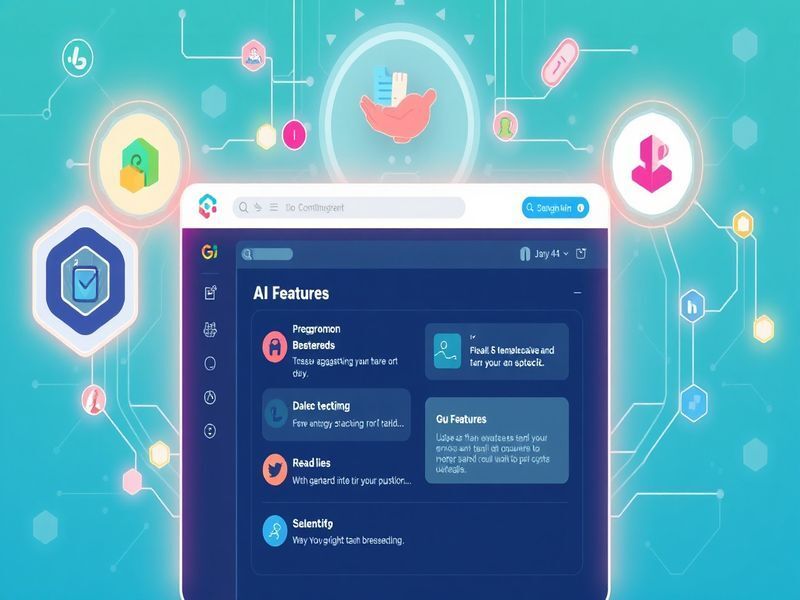
Slack’s new AI features span various functionalities, catering to different aspects of team collaboration and communication. These include:
- Smart Replies: AI-generated suggestions for quick responses, saving time and effort.
- Draft Assistant: Helps users compose messages or emails by providing contextual suggestions.
- Meeting Insights: AI summarizes discussions and highlights key decisions made during meetings.
- Task Automation: Automates repetitive tasks and reminders, allowing teams to focus on more strategic work.
- Search Enhancements: AI-powered search capabilities that understand context to deliver more relevant results.
- Language Translation: Real-time translation of messages, breaking down language barriers among international teams.
- Sentiment Analysis: Gauges the tone of conversations to help understand team morale and engagement.
- Personalized Notifications: AI customizes alert settings based on user behavior and preferences.
- Integration with Other Tools: Seamless integration with various productivity tools using AI to streamline workflows.
- Knowledge Management: AI curates and organizes knowledge from conversations and files for easy retrieval.
Practical Insights into AI Adoption
The introduction of these features represents a significant shift in how teams can leverage technology for collaboration. Here are some practical insights on how these enhancements can be utilized:
- Improved Efficiency: With features like Smart Replies and Draft Assistant, teams can respond to queries and craft messages quicker than ever.
- Enhanced Decision-Making: Meeting Insights provide a quick recap of discussions, making it easier to track decisions and actions post-meeting.
- Greater Inclusivity: Language Translation fosters inclusivity, ensuring that all team members, regardless of their native language, can contribute and communicate effectively.
- Data-Driven Insights: Sentiment Analysis can help leaders gauge team morale, allowing for timely interventions if frustration or disengagement is detected.
- Streamlined Workflows: The integration of task automation allows team members to focus on high-value activities rather than mundane tasks.
Industry Implications
The implications of these AI features extend beyond Slack itself; they are indicative of a broader trend in workplace technology:
- Shift Toward AI-Driven Tools: As more companies adopt AI-powered tools, the expectation for digital communication platforms will increase, pushing competitors to innovate.
- Collaboration in a Global Marketplace: With remote teams becoming the norm, features like real-time translation will be crucial for companies operating across multiple countries.
- Focus on Employee Well-being: Tools that analyze sentiment and engagement can help organizations prioritize employee well-being, leading to better retention and productivity.
- Future of Work: The integration of AI suggests a significant shift in the nature of work itself, where human roles may evolve to focus more on strategy and creativity.
Future Possibilities
Looking ahead, the potential for Slack’s AI capabilities is immense. Here are some possibilities:
- Advanced Predictive Analytics: Future iterations of Slack could include features that predict project outcomes or team performance based on historical data.
- Virtual Collaborators: The development of AI-powered virtual assistants to facilitate meetings, manage tasks, and even mediate conflicts could become commonplace.
- Integration of Augmented Reality: As remote work continues, the incorporation of AR for virtual meetings could bring a new dimension to collaboration.
- Enhanced Personalization: Slack could further refine its AI capabilities to deliver an even more personalized experience for each user, adapting to individual work styles.
- Broader Ecosystem Collaboration: Future features may involve deeper integration with external platforms, creating a more holistic ecosystem for productivity.
In conclusion, Slack’s 30 new AI features represent a leap forward in enhancing team collaboration and communication. By embracing these innovative capabilities, organizations can improve their workflows, foster inclusivity, and advance toward a more collaborative future. As AI technology continues to evolve, so too will the ways in which teams interact, work, and succeed together.