
Spotify’s AI-Driven Development: Engineers Shift Roles
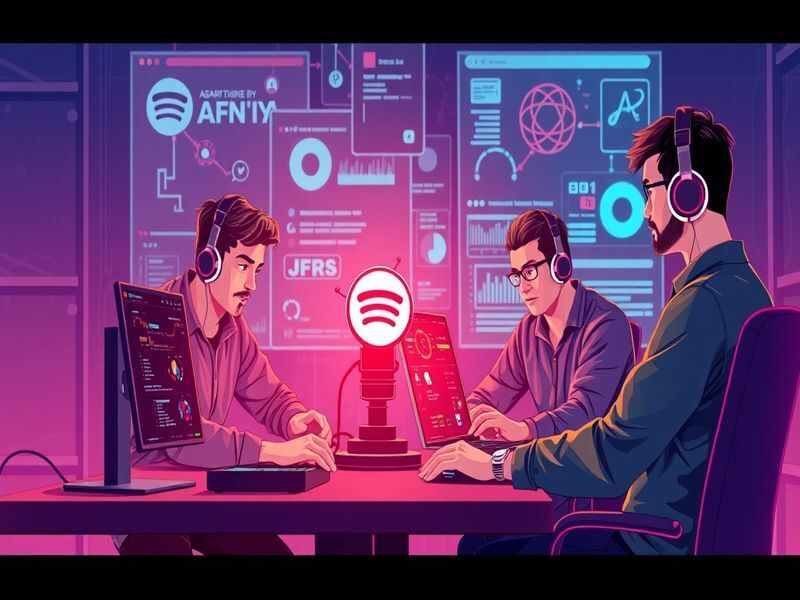
As we advance into a future dominated by artificial intelligence (AI), industries are undergoing significant transformations, particularly in software development. Spotify, the renowned audio streaming platform, stands at the forefront of this revolution. With AI tools increasingly taking over traditional coding tasks, Spotify’s engineers are redefining their roles, focusing more on overseeing AI outputs rather than writing code. This shift not only enhances productivity but also reshapes the landscape of software development.
The Evolution of Roles in Software Development
The traditional role of software engineers has primarily revolved around writing and debugging code. However, with the advent of AI and machine learning, the focus is shifting towards higher-level responsibilities. Spotify’s engineers are now tasked with:
- Supervising AI Algorithms: Engineers are responsible for training and validating AI models that generate code or assist in development tasks.
- Ensuring Quality Control: Monitoring the outputs of AI systems to ensure they meet the company’s quality standards.
- Integrating AI with Existing Systems: Facilitating smooth interactions between AI outputs and traditional software components.
This transition allows engineers to leverage their expertise in new and innovative ways, shifting from manual coding to a more strategic oversight role.
Practical Insights into the Transition
Spotify’s transformation is not merely theoretical; it comes with practical insights that can benefit other organizations looking to embrace AI-driven development:
- Emphasize Continuous Learning: Engineers must continually update their skills to include knowledge of AI technologies and tools.
- Foster Collaboration: Cross-disciplinary teams that include data scientists, AI specialists, and software engineers can facilitate smoother transitions and enhance outcomes.
- Adopt Agile Methodologies: Agile practices can help teams adapt quickly to changes brought about by AI, allowing for iterative testing and feedback.
By adopting these insights, companies can better prepare their workforce for the evolving demands of the tech landscape.
Industry Implications of AI-Driven Development
The implications of Spotify’s transition extend far beyond its internal operations. As more companies adopt similar AI-driven approaches, we can expect several industry-wide changes:
- Increased Efficiency: AI systems can automate mundane tasks, allowing engineers to focus on more strategic initiatives.
- Restructured Job Roles: Job descriptions in the tech industry will likely evolve, requiring a mix of coding expertise and AI oversight skills.
- Enhanced Innovation: With AI handling routine tasks, engineers can devote more time to innovation and creative problem-solving.
These changes can lead to a more dynamic and responsive tech industry, capable of quickly adapting to new challenges and opportunities.
Future Possibilities in AI-Driven Development
The future of software development at Spotify and beyond promises exciting possibilities:
- AI-Enhanced Creativity: AI could assist in generating creative solutions that human engineers might not consider, pushing the boundaries of innovation.
- Personalized Development Environments: AI could create customized coding environments tailored to individual engineers’ workflows and preferences.
- Global Collaboration: With AI tools facilitating communication and project management, global teams can work together seamlessly, despite geographical barriers.
These possibilities highlight the potential for AI to not only streamline processes but also enhance the overall creativity and collaborative spirit within software development teams.
Conclusion
Spotify’s transition from traditional software development practices to AI-driven methodologies marks a significant evolution in the tech industry. By shifting the roles of engineers from coding to overseeing AI outputs, Spotify is not only enhancing its operational efficiency but also paving the way for a more innovative future. As AI continues to develop, the implications for job roles, industry practices, and technological advancements will be profound. Organizations willing to embrace these changes will find themselves better equipped to thrive in an increasingly AI-driven world.