
Minecraft as a Tool for Teaching AI Concepts to Children
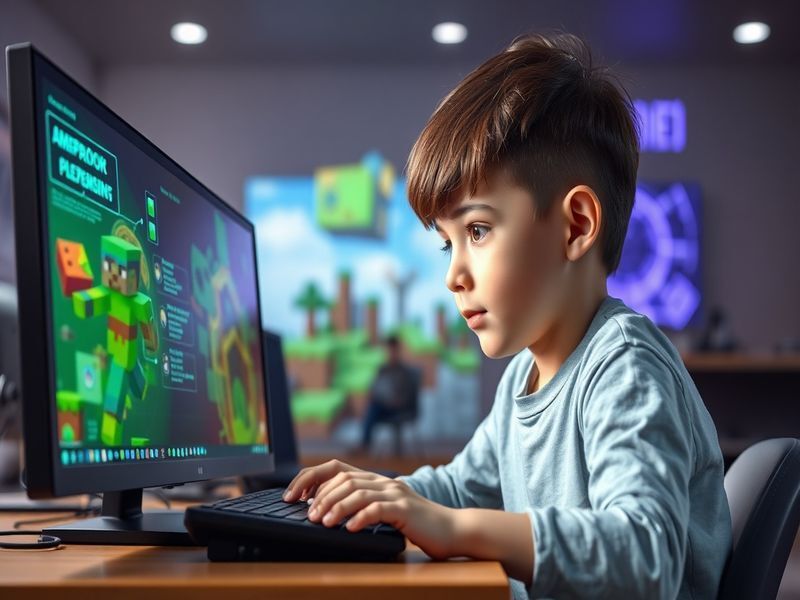
As artificial intelligence (AI) continues to redefine various industries, understanding its concepts from a young age becomes increasingly crucial. One of the most innovative avenues for teaching children about AI is through popular games like Minecraft. This sandbox game not only fosters creativity but also provides a hands-on platform to explore complex ideas in AI and machine learning.
The Educational Potential of Minecraft
Minecraft’s open-world environment allows players to build, create, and modify their virtual surroundings, making it a perfect medium for learning. Its interactive nature encourages children to engage with the concepts of artificial intelligence in a way that feels natural and enjoyable.
- Creativity and Problem-Solving: Players often face challenges that require innovative solutions, mirroring the problem-solving processes inherent in AI development.
- Programming Basics: With the introduction of mods and command blocks, children can learn basic programming concepts, which are foundational in AI and machine learning.
- Collaboration: Minecraft promotes teamwork, allowing children to work together to solve problems and create projects, reflecting how AI systems often work collaboratively with human teams.
Integrating AI Concepts into Gameplay
There are several ways educators and parents can use Minecraft to introduce AI concepts:
- Using Mods and Plugins: Minecraft supports various mods that can simulate AI behavior. For instance, mods like ComputerCraft or OpenComputers allow players to use virtual computers to program robots, helping them understand AI algorithms and logic.
- Creating AI Challenges: Educators can set challenges that require players to create AI systems within the game. For example, players can program NPCs (non-playable characters) to behave in specific ways or complete tasks autonomously.
- Exploring Machine Learning: By implementing simple machine learning algorithms, children can experiment with data collection and analysis. They can create systems that learn from player actions, enhancing the game’s interactivity.
Practical Insights: How Minecraft Teaches AI
The practical application of AI concepts in Minecraft can yield several insights:
- Understanding Algorithms: As players build and create, they must think algorithmically about how to structure their commands and designs, mirroring the logical thinking required in AI.
- Data Management: Players can learn about data collection and processing while tracking their in-game activities, akin to data processing in machine learning.
- Simulation of Real-World Problems: Minecraft allows players to simulate real-world scenarios where AI could be applied, such as resource management or environmental conservation.
Industry Implications
The integration of games like Minecraft in educational settings signifies a shift in how we approach teaching complex subjects like AI. The gaming industry has witnessed a growing trend towards educational games that marry fun with learning. This evolution has several implications:
- Enhanced Engagement: Interactive learning through gaming can increase student engagement, making the learning process more enjoyable and effective.
- Future Workforce Preparation: As children become familiar with AI concepts early on, they may develop a stronger interest in pursuing careers in technology and engineering fields.
- Innovation in Education: Educational institutions may begin to adopt more game-based learning strategies, fostering creativity and critical thinking skills in students.
Future Possibilities
As technology continues to evolve, the future of using games like Minecraft for teaching AI holds immense promise:
- Advanced AI Simulations: Future iterations of Minecraft could incorporate more sophisticated AI models, allowing players to explore advanced concepts in real-time.
- Partnerships with Educational Institutions: Game developers could collaborate with educators to create tailored learning experiences that align with curriculum standards.
- Global Learning Communities: Online multiplayer features can foster global learning communities where children from different backgrounds can collaborate and share knowledge about AI.
In conclusion, Minecraft stands out as a powerful educational tool that can demystify artificial intelligence concepts for children. By engaging with this popular game, young learners can foster critical skills that will be essential in a technology-driven future. As more educators recognize the potential of gaming in education, we can expect to see an exciting evolution in how we teach and learn about AI.