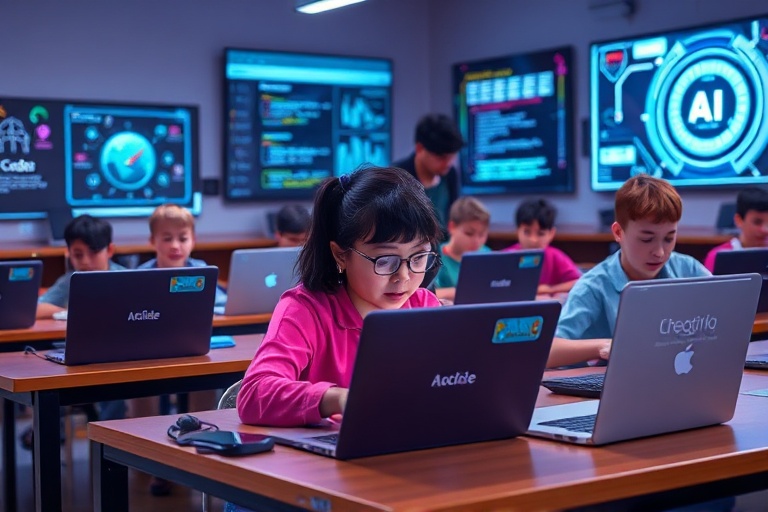
Teaching in the Age of AI Coding: What Educators Need to Focus On
As artificial intelligence (AI) continues to evolve, its impact on various fields, including coding and education, is becoming increasingly evident. The rise of AI-powered coding tools, such as GitHub Copilot and OpenAI’s Codex, is reshaping how coding is taught and learned. Educators must adapt to this rapidly changing landscape by focusing on essential skills, redefining curricula, and embracing innovative teaching methods.
The Shift in Coding Education
The traditional approach to teaching coding often emphasizes rote learning, syntax memorization, and problem-solving using predefined algorithms. However, with AI stepping in to handle many of these tasks, educators need to rethink their teaching strategies. The focus should shift from merely teaching how to code to fostering an understanding of the underlying principles and concepts that drive programming.
- Understanding Fundamentals: Students should grasp the core principles of computer science, such as algorithms, data structures, and complexity theory, rather than just learning specific programming languages.
- Problem-Solving and Critical Thinking: As AI takes care of repetitive coding tasks, students must develop strong analytical and critical thinking skills to tackle more complex challenges.
- Collaboration and Communication: With AI tools often operating in collaborative environments, teaching students to effectively communicate and work together on coding projects is crucial.
Practical Insights for Educators
To prepare students for a future where AI plays a significant role in coding, educators should consider implementing the following strategies:
- Integrate AI Tools in the Curriculum: Incorporate AI-powered coding assistants into lessons, allowing students to experience firsthand how these tools can enhance their coding capabilities.
- Focus on Project-Based Learning: Encourage students to work on real-world projects that require them to apply their coding skills creatively. This approach fosters deeper understanding and practical application.
- Teach Ethical Considerations: As AI continues to evolve, it’s essential to address the ethical implications of automation in coding. Discuss topics such as bias in AI algorithms and the responsibility of developers in creating equitable technology.
- Emphasize Lifelong Learning: The field of coding is ever-changing. Teach students how to stay updated with the latest technologies and trends, highlighting the importance of continuous learning in their careers.
Industry Implications
The integration of AI into coding practices is not just a trend; it is reshaping the tech industry. Companies are increasingly adopting AI tools to improve productivity and reduce the time spent on mundane coding tasks. This transition has several implications:
- Changing Job Roles: As AI takes over routine coding responsibilities, job roles may shift from traditional programming to roles focused on AI oversight, integration, and maintenance.
- Increased Demand for Hybrid Skills: Professionals who can blend coding expertise with AI knowledge will be in high demand, necessitating an educational focus on interdisciplinary skills.
- Focus on Innovation: With AI handling standard coding tasks, developers can focus on more innovative aspects of software development, leading to more creative and impactful solutions.
Future Possibilities
Looking ahead, the future of coding education in the age of AI presents exciting possibilities. As technology continues to advance, educators can leverage these innovations to enhance learning experiences:
- Personalized Learning: AI can provide tailored learning experiences, adapting to each student’s pace and style, ultimately improving engagement and comprehension.
- Gamification: Incorporating game design elements into coding education can make learning more enjoyable and motivate students to engage with complex topics.
- Remote Collaboration: AI tools can facilitate global collaboration among students, allowing them to work together on coding projects regardless of their geographical locations.
As we navigate the complexities of teaching coding in the age of AI, it is crucial for educators to embrace change and adapt their methods. By focusing on the fundamentals, ethical implications, and fostering a culture of innovation, educators can prepare students to thrive in an AI-enhanced world.