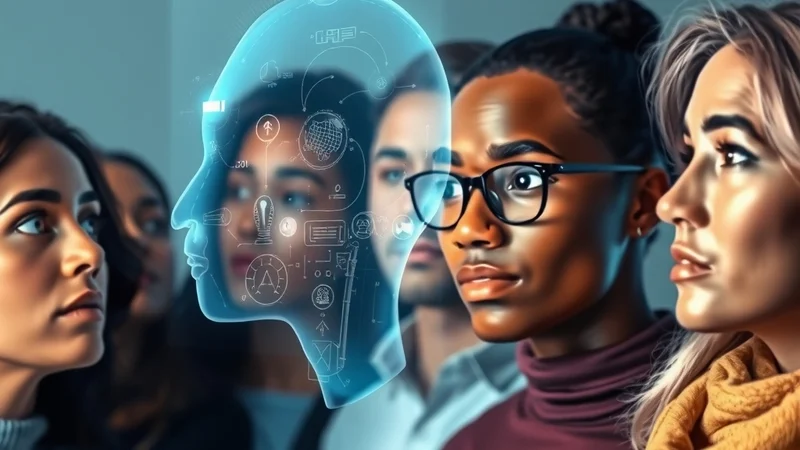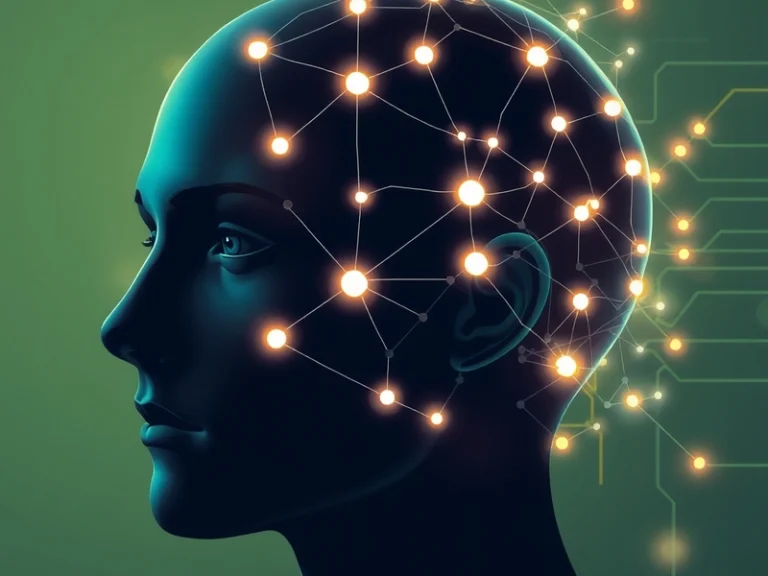
The concept of merging human biological capabilities with artificial intelligence, once largely confined to speculative fiction, is increasingly becoming a tangible area of research and development, driven by rapid advancements in neurotechnology and AI.
This evolving field explores various “evolutionary steps” towards integrating AI with human functions, ranging from restoring lost sensory or motor capabilities to potentially augmenting cognitive abilities. The underlying motivation is often two-fold: addressing critical medical needs for individuals with neurological disorders or severe injuries, and exploring the potential for enhancing human performance beyond natural limits.
Approaches to Human-AI Integration
Current research and development efforts are primarily concentrated in several key areas, each presenting unique technical hurdles and ethical considerations:
-
Brain-Computer Interfaces (BCIs): These systems aim to create a direct communication pathway between the brain and an external device.
- Invasive BCIs: Companies like Neuralink and Synchron are prominent players in developing implantable devices that record neural activity directly from the brain. While their ultimate goals may include cognitive augmentation, their immediate and publicly stated focus is on medical applications, such as enabling individuals with paralysis to control external devices like computers or robotic prosthetics with their thoughts. For example, Synchron’s Stentrode device, inserted via blood vessels, has been explored for allowing patients to control digital devices. Neuralink, with its more direct cortical implants, has demonstrated early-stage capabilities in similar domains in animal models and more recently in human trials. The promise here is high bandwidth and precise control, but it comes with the inherent risks of surgical implantation.
- Non-Invasive BCIs: These systems, often relying on electroencephalography (EEG) caps worn on the scalp, detect brain activity without surgery. While offering greater accessibility and safety, their spatial resolution and signal fidelity are generally lower than invasive methods. They are typically used for simpler control tasks or for monitoring brain states in applications like attention training or basic mind-controlled interfaces.
- AI-Powered Prosthetics and Exoskeletons: Beyond direct neural interfaces, AI is transforming prosthetic limbs and assistive exoskeletons. Advanced prosthetics now incorporate machine learning algorithms to interpret muscle signals (electromyography, EMG) from residual limbs, enabling more intuitive and natural control. These systems can learn user intent over time, adapting to individual movement patterns and environmental conditions. Similarly, AI-driven exoskeletons are being developed to restore mobility for individuals with spinal cord injuries or to augment strength and endurance for industrial or military applications.
- Sensory Augmentation: While less about direct brain-AI merging, AI is enhancing human sensory input. Examples include AI-powered camera systems that provide enhanced vision for the visually impaired, or hearing aids that use AI to filter noise and focus on specific sounds, effectively augmenting natural auditory perception. Future developments might involve more direct neural integration to feed artificial sensory data directly to the brain.
Challenges and Ethical Considerations
Despite the rapid progress, the path towards widespread human-AI integration is fraught with significant technical, safety, and ethical challenges.
Technical Hurdles
- Bandwidth and Fidelity: The human brain processes information at an incredibly high rate. Current BCI technologies struggle to achieve the necessary bandwidth and signal fidelity to truly match or augment complex cognitive functions.
- Longevity and Biocompatibility: Implantable devices must remain functional and safe within the body for extended periods without degrading or causing adverse immune responses.
- Power and Miniaturization: Devices need to be small, energy-efficient, and capable of wireless power transfer or long-lasting internal power sources.
- Data Interpretation: AI algorithms must accurately interpret complex and variable neural signals to translate intent into action or to feed meaningful information back to the brain.
Ethical and Societal Implications
- Identity and Autonomy: Questions arise about how a direct interface with AI might affect an individual’s sense of self, personal autonomy, and decision-making processes.
- Privacy and Security: Brain data is arguably the most sensitive personal information. Protecting it from unauthorized access, manipulation, or misuse is paramount.
- Equity and Access: If advanced human-AI integration becomes a reality, concerns about a potential “digital divide” or exacerbating existing social inequalities could emerge, where only a privileged few can afford or access these augmentations.
- Safety and Malfunction: The risks associated with hardware or software malfunctions in directly integrated systems could have profound and potentially irreversible consequences for users.
The discussion around merging humans with AI is moving beyond theoretical debates into practical engineering and medical research. While the most advanced forms of integration are still in early experimental stages, particularly for broad human augmentation, the ongoing work in areas like BCIs and AI-driven prosthetics continues to push the boundaries of what is possible, steadily advancing towards a future where the line between human and artificial capabilities may become increasingly blurred.