
The Ethical Debate: AI Art and the Future of Creative Industries
The intersection of artificial intelligence and art has sparked a fervent debate within the creative industries. As AI-generated art gains prominence, traditional artists and enthusiasts grapple with the implications of this technological advancement. This article delves into the backlash against AI art, its impact on traditional artists, and the future possibilities that lie ahead.
The Rise of AI-Generated Art
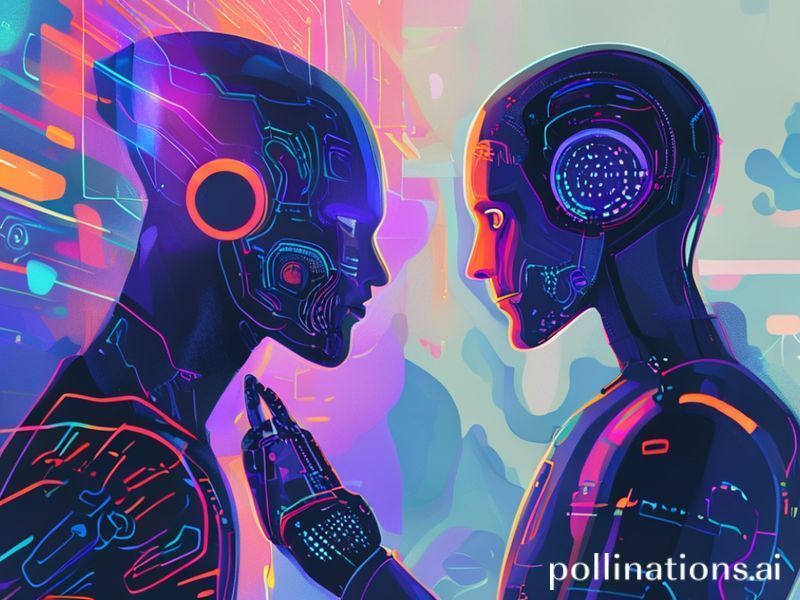
AI-generated art has emerged as a significant trend, with algorithms like DALL-E, MidJourney, and Stable Diffusion creating stunning visuals that mimic human creativity. These tools leverage machine learning techniques to generate art based on textual descriptions, pushing the boundaries of what machines can achieve.
- Algorithmic Creativity: AI models are trained on vast datasets of existing art, enabling them to produce new, unique pieces.
- Accessibility: AI art tools democratize art creation, allowing individuals without formal training to produce high-quality artwork.
- Commercial Viability: AI-generated art is increasingly being used in advertising, design, and even fine art, raising questions about its commercial value and ethical implications.
The Backlash Against AI Art
The rise of AI art has not been without controversy. Traditional artists and critics have raised several concerns, leading to a heated debate about the role of AI in the creative industries.
The Ethical Concerns
The ethical implications of AI-generated art are multifaceted, touching on issues of originality, authorship, and the devaluation of human creativity.
- Originality and Authenticity: Critics argue that AI art lacks the emotional depth and personal experience that define human creativity. The question of whether AI can truly create “original” art remains a contentious issue.
- Authorship and Ownership: The ownership of AI-generated art is a legal gray area. Who owns the rights to AI-created artwork—the developer of the algorithm, the user who inputs the prompt, or the AI itself?
- Devaluation of Human Art: There is a fear that AI art could devalue the work of traditional artists, leading to a decline in the perceived worth of human-created art.
The Impact on Traditional Artists
The advent of AI art has raised concerns about its impact on traditional artists, particularly in terms of job security and market competition.
- Job Displacement: Some fear that AI could replace human artists in certain sectors, such as advertising and graphic design, leading to job losses.
- Market Competition: AI art tools allow non-artists to create professional-quality work, potentially flooding the market and making it harder for traditional artists to compete.
- Economic Inequality: The cost of AI tools and the need for technical skills to use them effectively could exacerbate economic inequalities within the art world.
Industry Implications
The debate over AI art extends beyond ethical and economic concerns to encompass broader industry implications, including regulatory and cultural shifts.
- Regulatory Challenges: Governments and industry bodies are grappling with how to regulate AI-generated art, particularly in terms of copyright and intellectual property laws.
- Cultural Shifts: The acceptance of AI art as a legitimate form of creativity is still evolving. Museums, galleries, and art institutions are beginning to exhibit AI-generated works, signaling a cultural shift.
- Collaborative Opportunities: Some artists are embracing AI as a tool to enhance their creative process, leading to new forms of collaboration between humans and machines.
Future Possibilities
Despite the backlash, AI art presents numerous opportunities for innovation and collaboration within the creative industries.
Enhancing Creativity
AI can serve as a powerful tool to augment human creativity, offering new ways to explore and express artistic ideas.
- Creative Assistance: AI can assist artists in brainstorming, sketching, and refining their work, acting as a digital collaborator.
- New Artistic Forms: The fusion of AI and human creativity could lead to the development of entirely new artistic forms and genres.
- Accessibility and Inclusion: AI art tools can make art creation more accessible to individuals with disabilities, fostering greater inclusion in the creative industries.
Economic Opportunities
The integration of AI into the art world can open up new economic opportunities for artists and businesses alike.
- New Revenue Streams: AI-generated art can create new revenue streams for artists, such as digital art sales, NFTs, and licensing deals.
- Market Expansion: AI can help artists reach new audiences and markets, expanding the global reach of their work.
- Innovative Business Models: The rise of AI art could lead to innovative business models, such as collaborative art platforms and AI-driven art galleries.
Conclusion
The debate surrounding AI art is complex and multifaceted, encompassing ethical, economic, and cultural dimensions. While the backlash against AI-generated art highlights valid concerns, it also presents opportunities for innovation and collaboration. As the creative industries navigate this evolving landscape, it is crucial to foster a balanced approach that respects the value of human creativity while embracing the potential of AI as a tool for artistic expression.
The future of AI art will likely be shaped by ongoing dialogue, regulatory developments, and the creative adaptations of artists and industries. By embracing a collaborative mindset, the art world can harness the power of AI to create a more inclusive, innovative, and dynamic creative ecosystem.