
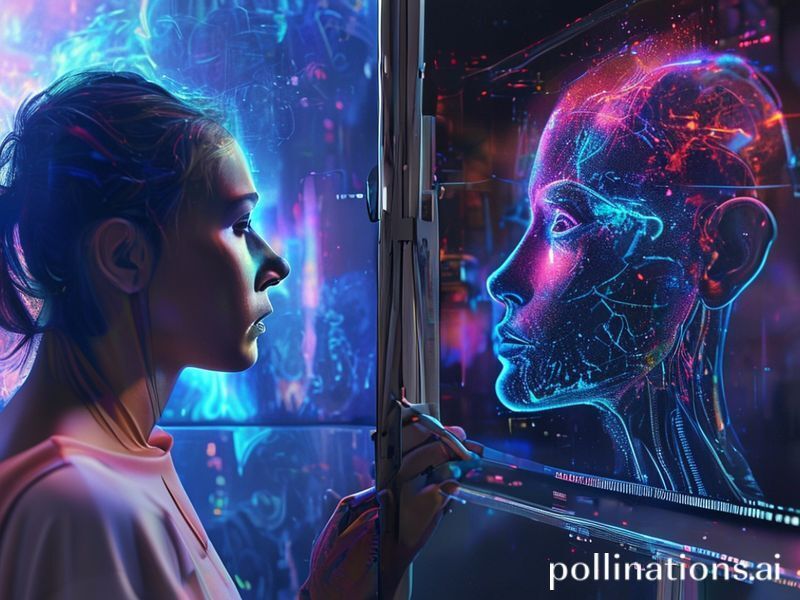
# The Ethical Debate on AI-Generated Art: Comic-Con’s Ban and the Broader Implications for Artists
## Introduction
The intersection of artificial intelligence and creative industries has sparked a heated debate, particularly in the realm of art. The recent decision by Comic-Con to ban AI-generated art has brought this ethical dilemma to the forefront. This article explores the implications of AI-generated art, the concerns of human artists, and the broader ethical considerations for the future of creativity.
## The Comic-Con Ban: A Watershed Moment
### What Happened?
In a move that sent shockwaves through the art community, Comic-Con announced a ban on AI-generated art in its exhibitions and competitions. The decision was met with mixed reactions, with some praising the move as a necessary protection for human artists and others criticizing it as a step backward for technological innovation.
### Why the Ban?
The primary reason behind the ban is the concern that AI-generated art undermines the value of human creativity. Many traditional artists argue that AI-generated art lacks the emotional depth and personal touch that human artists bring to their work. Additionally, there are concerns about the potential for AI to be used to replicate and commercialize an artist’s unique style without their consent.
## The Ethical Debate
### The Case for AI-Generated Art
Proponents of AI-generated art argue that it represents a new frontier in creativity. AI can generate art at a scale and speed that human artists cannot match, making it a valuable tool for industries that require large volumes of creative content. Furthermore, AI-generated art can be used as a collaborative tool, helping human artists explore new styles and techniques.
### The Case Against AI-Generated Art
Critics of AI-generated art point to several ethical concerns:
- **Job Displacement**: There is a fear that AI could replace human artists, leading to job losses in the creative industries.
- **Lack of Originality**: AI-generated art is often seen as derivative, drawing from existing works rather than creating something entirely new.
- **Intellectual Property Issues**: AI models are trained on vast datasets that may include copyrighted material, raising questions about ownership and originality.
## Industry Implications
### For Artists
The rise of AI-generated art has created a sense of uncertainty among artists. Many worry about the devaluation of their work and the potential for AI to replicate their styles without compensation. However, there are also opportunities for collaboration, with AI serving as a tool to enhance human creativity rather than replace it.
### For Tech Companies
Tech companies developing AI art tools face a delicate balancing act. They must navigate the ethical concerns while continuing to innovate. Transparency about the training data and the creative process behind AI-generated art could help build trust with the artistic community.
### For Consumers
Consumers are increasingly aware of the debate surrounding AI-generated art. As awareness grows, there may be a shift in demand towards human-made art, or conversely, a growing acceptance of AI-generated art as a legitimate form of creativity.
## Future Possibilities
### Collaboration Over Competition
One potential future is a collaborative model where AI and human artists work together. AI can handle the more repetitive and time-consuming aspects of art creation, allowing human artists to focus on the creative and emotional elements.
### Regulation and Standards
As the debate continues, there may be a push for regulations and standards to govern the use of AI in art. This could include guidelines on transparency, intellectual property, and the ethical use of training data.
### New Art Forms
AI-generated art could lead to the creation of entirely new art forms that blend human creativity with machine learning. This could open up new avenues for expression and innovation in the art world.
## Practical Insights for Artists
### Protecting Your Work
Artists can take steps to protect their work from being used in AI training datasets. This includes watermarking images, using copyright notices, and being cautious about where and how they share their work online.
### Embracing AI Tools
Rather than viewing AI as a threat, artists can explore how AI tools can enhance their creative process. Experimenting with AI-generated art can lead to new ideas and techniques that can be incorporated into their work.
## Conclusion
The debate surrounding AI-generated art is complex and multifaceted. While there are valid concerns about the ethical implications, there are also opportunities for innovation and collaboration. As the technology continues to evolve, it will be crucial for artists, tech companies, and consumers to engage in open dialogue to shape the future of AI-generated art in a way that respects and values human creativity.
—