

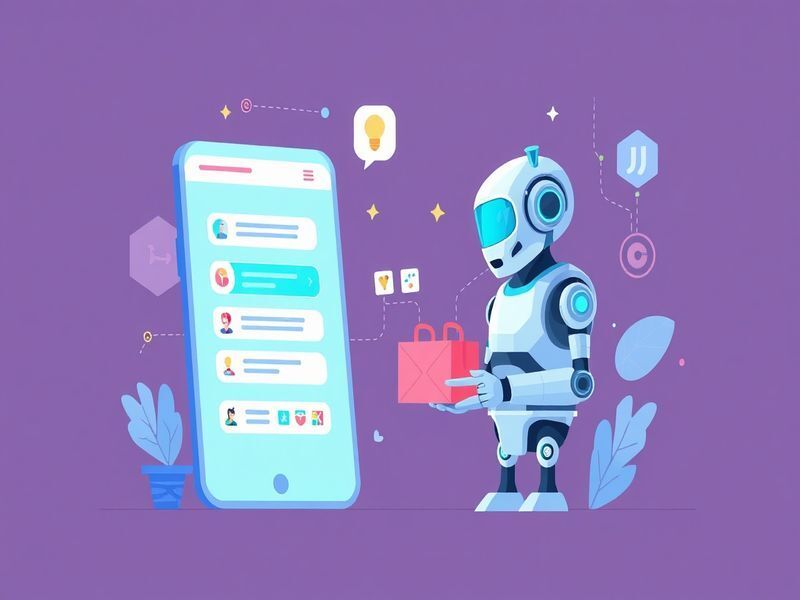
The Failure of ChatGPT’s In-App Shopping: What Went Wrong with OpenAI’s Attempt to Integrate Shopping Directly into Its Chatbot
In the rapidly evolving landscape of artificial intelligence, the integration of e-commerce into conversational platforms has emerged as a compelling frontier. OpenAI’s ChatGPT, a leading chatbot model, ventured into this territory with its in-app shopping feature. However, despite the initial excitement, the feature faced significant challenges, leading to its eventual discontinuation. This article explores the reasons behind the failure of ChatGPT’s in-app shopping, the implications for the industry, and the potential future of AI-driven e-commerce.
Understanding the Concept
ChatGPT’s in-app shopping feature aimed to seamlessly integrate shopping experiences into conversational interactions. Users could browse products, receive personalized recommendations, and make purchases directly through the chatbot interface. The idea was to leverage the natural language processing capabilities of AI to create a more engaging and efficient shopping experience.
Reasons for Failure
Several factors contributed to the downfall of ChatGPT’s in-app shopping feature:
- Technical Limitations: The integration required sophisticated algorithms to accurately understand user intent, preferences, and provide relevant recommendations. Unfortunately, the existing technology struggled with contextual understanding, leading to mismatched products and user dissatisfaction.
- User Experience Issues: Many users found the shopping experience cumbersome and not as intuitive as traditional e-commerce platforms. The conversational interface, while innovative, could not match the efficiency of established shopping websites that offer streamlined navigation and filtering options.
- Security and Privacy Concerns: Users expressed apprehension about sharing personal and financial information with an AI chatbot. The lack of transparency regarding data handling and security protocols deterred potential users from fully embracing the feature.
- Market Readiness: The e-commerce landscape is saturated with established players. Entering this market required not only a functional product but also strategic partnerships with retailers. OpenAI’s late entry and lack of robust partnerships limited the feature’s competitiveness.
- Consumer Behavior: Users are accustomed to specific shopping habits. The transition to an AI-driven shopping experience required a change in consumer mindset, which did not materialize as anticipated. Many users preferred familiar platforms and traditional shopping methods.
Industry Implications
The failure of ChatGPT’s in-app shopping feature has important implications for the broader AI and e-commerce industries:
- Re-evaluation of AI Integration: Companies must reconsider how AI can be integrated into existing workflows and services. This failure highlights the need for a more pragmatic approach that prioritizes user experience and technical feasibility over innovation for innovation’s sake.
- Focus on Consumer Trust: Building trust through transparency and data security is paramount. Future AI applications, especially in sensitive areas like shopping, must prioritize user data protection to gain consumer confidence.
- Strategic Partnerships are Key: Success in integrating AI into e-commerce will likely depend on forging strategic partnerships with established retailers and understanding the nuances of consumer behavior.
Future Possibilities
Despite the setbacks, the integration of AI in e-commerce remains a promising avenue for innovation. The lessons learned from the failure of ChatGPT’s in-app shopping can inform future endeavors in several ways:
- Enhanced Personalization: Future AI-driven shopping experiences could leverage advanced machine learning techniques to analyze user data more effectively, providing hyper-personalized recommendations that align with consumer needs.
- Improved User Interfaces: Developing more intuitive interfaces that combine the benefits of conversational AI with traditional e-commerce features could enhance user engagement and satisfaction.
- Focus on Niche Markets: Instead of competing with major e-commerce platforms, AI applications could focus on niche markets where specialized knowledge and personalization can create unique value propositions.
- Incorporating Augmented Reality (AR): Combining AI with AR could revolutionize the shopping experience, allowing users to visualize products in their environments before making a purchase.
Conclusion
The failure of ChatGPT’s in-app shopping serves as a cautionary tale for AI developers and tech companies venturing into e-commerce. While the vision of a seamless, AI-driven shopping experience is enticing, it requires a deep understanding of user needs, robust technology, and strategic partnerships. As the industry evolves, the insights gained from this experience will undoubtedly shape future innovations in AI and e-commerce.