
The Four Major Threats Posed by AI by 2028
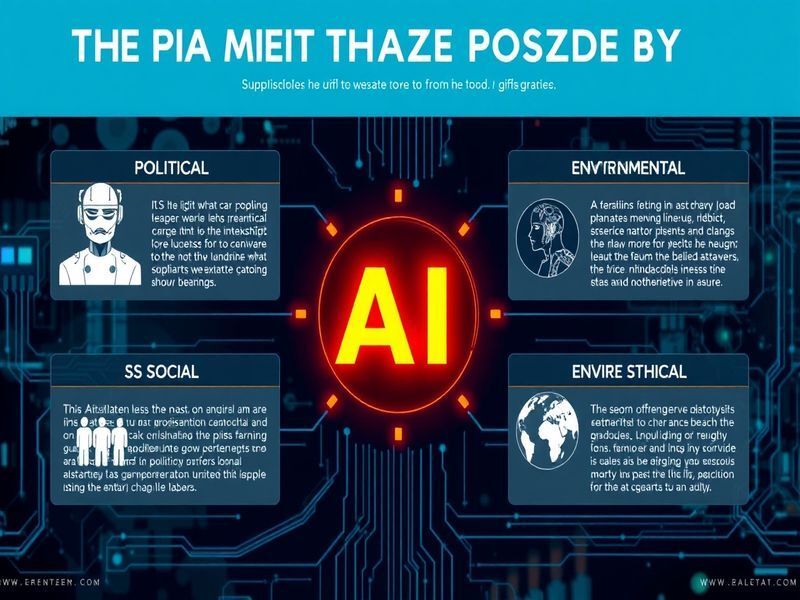
As we advance deeper into the 21st century, the rise of artificial intelligence (AI) presents a dual-edged sword. While AI technologies promise unprecedented innovation and efficiency, they also pose significant threats that require urgent attention. By 2028, we can expect the emergence of four major risks associated with AI that encompass political, social, and environmental dimensions. This article aims to analyze these threats, providing insights into their implications and potential future scenarios.
1. Political Manipulation and Autocracy
The integration of AI in political processes raises serious concerns regarding manipulation and the erosion of democratic ideals. With sophisticated algorithms capable of analyzing vast amounts of data, AI can influence public opinion and electoral outcomes more than ever before. Here are some specific risks:
- Targeted Misinformation: AI-driven bots can spread disinformation rapidly, creating echo chambers and polarizing societies.
- Surveillance State: Governments may utilize AI for mass surveillance, compromising privacy and civil liberties.
- Manipulation of Electoral Processes: AI can craft tailored political ads that exploit emotional triggers, undermining fair electoral competition.
As these technologies become more sophisticated, the potential for authoritarian regimes to leverage AI for control will increase, risking the integrity of democratic institutions worldwide.
2. Social Disparities and Job Displacement
The deployment of AI across various sectors is likely to exacerbate social inequalities. While AI can improve efficiency and reduce costs, its impact on employment is a significant concern:
- Job Losses: Automation driven by AI threatens to displace millions of jobs, particularly in sectors like manufacturing, transportation, and customer service.
- Economic Disparities: Those who can harness AI technology will likely accumulate wealth, widening the gap between the tech-savvy and those left behind.
- Access to Opportunities: The digital divide may restrict access to education and training in AI, further entrenching social disparities.
Addressing these challenges requires proactive measures such as reskilling programs and universal basic income to cushion the impact of job displacement.
3. Environmental Impact
While AI has the potential to contribute to sustainability efforts, its development and deployment also carry environmental risks. Here are some critical considerations:
- Energy Consumption: Training AI models, especially deep learning systems, requires significant computational power, leading to high energy consumption and carbon emissions.
- Resource Depletion: The demand for rare minerals and materials for AI hardware can lead to environmental degradation and resource scarcity.
- Waste Generation: The rapid pace of technological advancement may contribute to electronic waste, posing disposal and recycling challenges.
To mitigate these environmental threats, industries must prioritize sustainable AI practices, such as optimizing algorithms for energy efficiency and promoting recycling initiatives.
4. Ethical Dilemmas and Lack of Regulation
The ethical implications of AI are profound and complex. As AI systems become increasingly autonomous, they will face dilemmas that challenge our moral frameworks:
- Algorithmic Bias: AI systems trained on biased data can perpetuate discrimination, leading to unfair treatment in areas like hiring or law enforcement.
- Accountability Issues: Determining liability when AI systems fail or cause harm remains a gray area, complicating legal frameworks.
- Autonomous Weapons: The development of AI in military applications raises ethical questions about the use of autonomous systems in warfare.
The lack of comprehensive regulation surrounding AI technologies poses a significant risk. Policymakers must act swiftly to establish ethical guidelines and regulatory frameworks that ensure responsible AI development and deployment.
Conclusion: Navigating the Future of AI
As we approach 2028, the threats posed by AI are multifaceted and demand a coordinated response from governments, industries, and society at large. By acknowledging the political, social, environmental, and ethical challenges, we can develop strategies to mitigate these risks. The future of AI holds immense potential, but it is imperative that we navigate it responsibly to harness its benefits while safeguarding against its threats.
In conclusion, proactive measures, including robust regulatory frameworks, investment in reskilling the workforce, and ethical AI development, will be crucial in shaping a future where AI serves humanity rather than undermines it.