

The Future of AI Wearables: A Market on the Rise
The realm of wearables is evolving rapidly, especially with the infusion of artificial intelligence (AI). As major players like Meta unveil significant sales figures, it’s clear that the demand for AI-enhanced wearables is on an upward trajectory. This article delves into the implications of this trend, practical insights, and future possibilities in the world of AI wearables.
Understanding AI Wearables
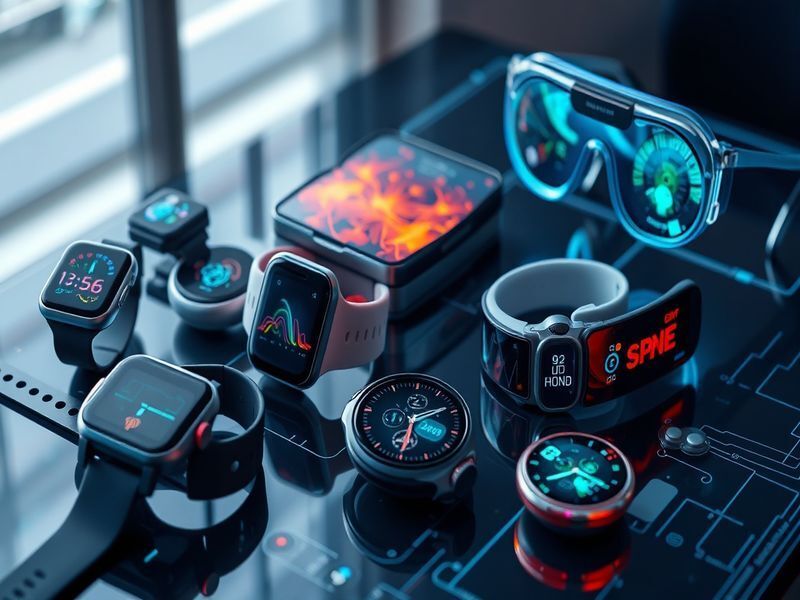
AI wearables are devices that integrate artificial intelligence technologies to enhance their functionality and user experience. These devices are not just limited to fitness trackers; they now encompass a wide range of applications, including:
- Smartwatches: Offering health monitoring, notifications, and even AI-driven personal assistants.
- Health Monitors: Devices that track vital signs and use AI to analyze health data for personalized feedback.
- Augmented Reality (AR) Glasses: Merging digital data with the physical world, often with AI enhancements for better user interaction.
- Smart Clothing: Wearables that can monitor body metrics and provide real-time data for fitness or health tracking.
The Market Dynamics
Recent announcements from Meta indicate a booming market for AI wearables, with sales figures that exceed expectations. This growth can be attributed to several key factors:
- Increased Consumer Interest: As people become more health-conscious and tech-savvy, the desire for devices that offer real-time insights is growing.
- Advancements in AI Technology: Improvements in machine learning algorithms and data processing capabilities allow wearables to provide more accurate and personalized feedback.
- Integration with Everyday Life: Wearables are becoming more integrated with smartphones and smart home devices, enhancing their utility.
- Focus on Health and Wellness: The global pandemic has amplified the focus on personal health, driving consumers to invest in devices that support their wellness journeys.
Industry Implications
The rise of AI wearables has significant implications for multiple industries:
- Healthcare: Wearables can help in remote patient monitoring, reducing the need for in-person visits and enabling healthcare providers to offer timely interventions.
- Fitness and Wellness: The fitness industry is leveraging AI wearables to offer personalized training programs and health insights, making workouts more efficient.
- Retail: Retailers are beginning to use data from wearables to personalize shopping experiences and target marketing efforts based on user preferences.
- Data Privacy and Security: As wearables collect sensitive health data, companies must prioritize data protection and user privacy to build trust.
Practical Insights for Consumers and Developers
For consumers and developers alike, the rise of AI wearables opens up numerous opportunities:
- Choose Wisely: For consumers, selecting the right wearable means considering factors like battery life, functionality, and compatibility with other devices.
- Stay Updated: Developers should keep abreast of the latest advancements in AI and machine learning to create more robust applications for wearables.
- Focus on User Experience: Both consumers and developers should emphasize ease of use, as the best devices are those that seamlessly integrate into daily life.
- Engage with Community: Being part of forums and communities can provide invaluable insights into new features, updates, and troubleshooting tips for devices.
Future Possibilities
The future of AI wearables looks bright, with several exciting possibilities on the horizon:
- Advanced Health Monitoring: Future wearables may provide even more sophisticated health monitoring capabilities, potentially identifying medical conditions before symptoms arise.
- Greater Integration: As AI technology advances, wearables will likely integrate more deeply with other smart technologies, creating a cohesive ecosystem of personal health and productivity.
- Personalized AI Assistants: AI-driven personal assistants in wearables could offer tailored advice based on user habits and preferences, enhancing user engagement.
- Enhanced AR Experiences: The fusion of wearables with augmented reality could revolutionize how we interact with digital content in our physical environment.
In conclusion, the market for AI wearables is not only on the rise but is also poised to transform various aspects of daily life. As technology continues to evolve, the potential for innovative applications of AI in wearables seems limitless. Stakeholders across industries must adapt to these changes, harnessing the power of AI to create devices that will not only enrich our lives but also contribute to a healthier, more connected world.